


Shading
What one shaded panel actually costs you
A module in partial shade can cost a string inverter more than a module in total darkness. Here is why, with the arithmetic.
 Shading, Boulder County
Series circuits are unforgiving
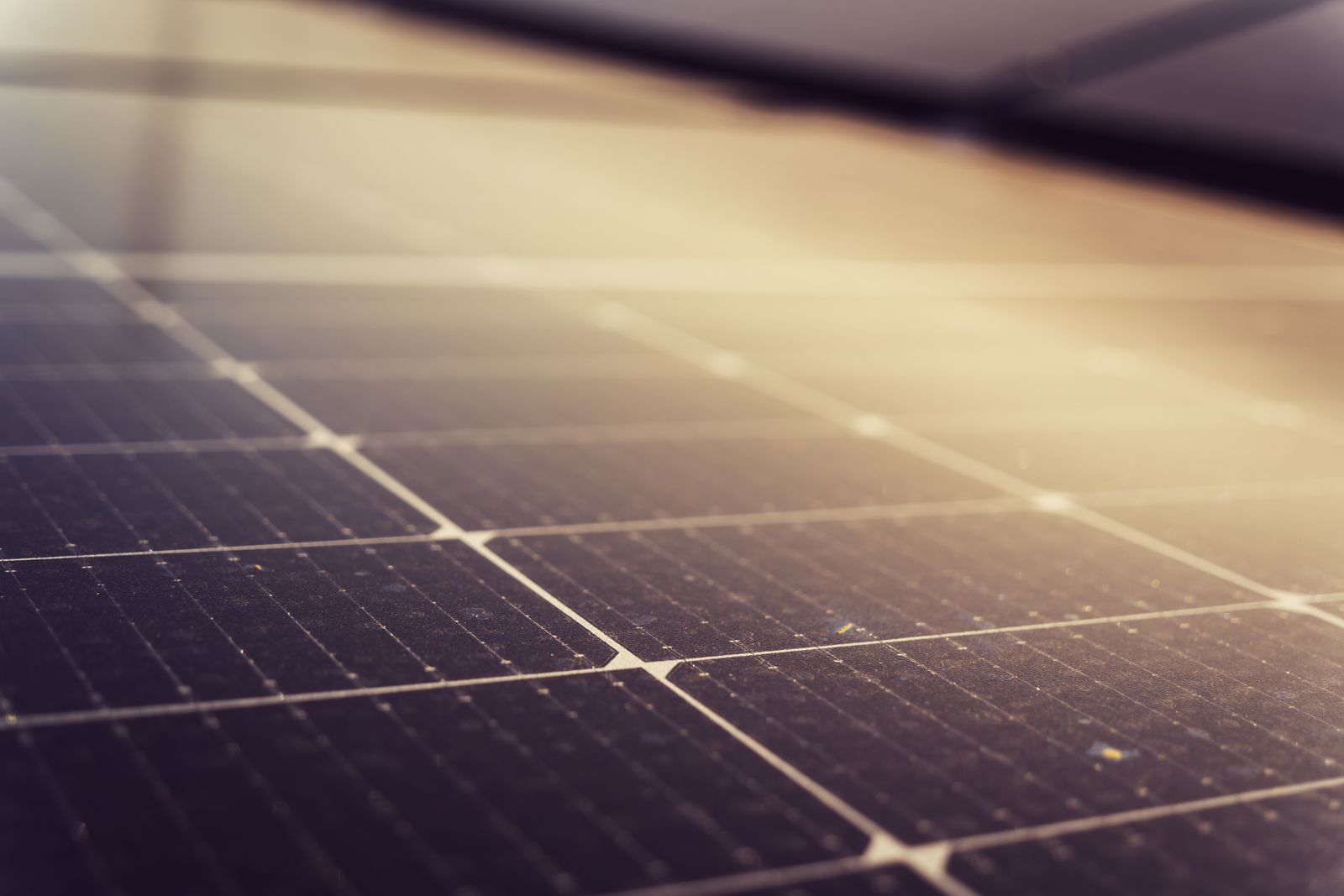
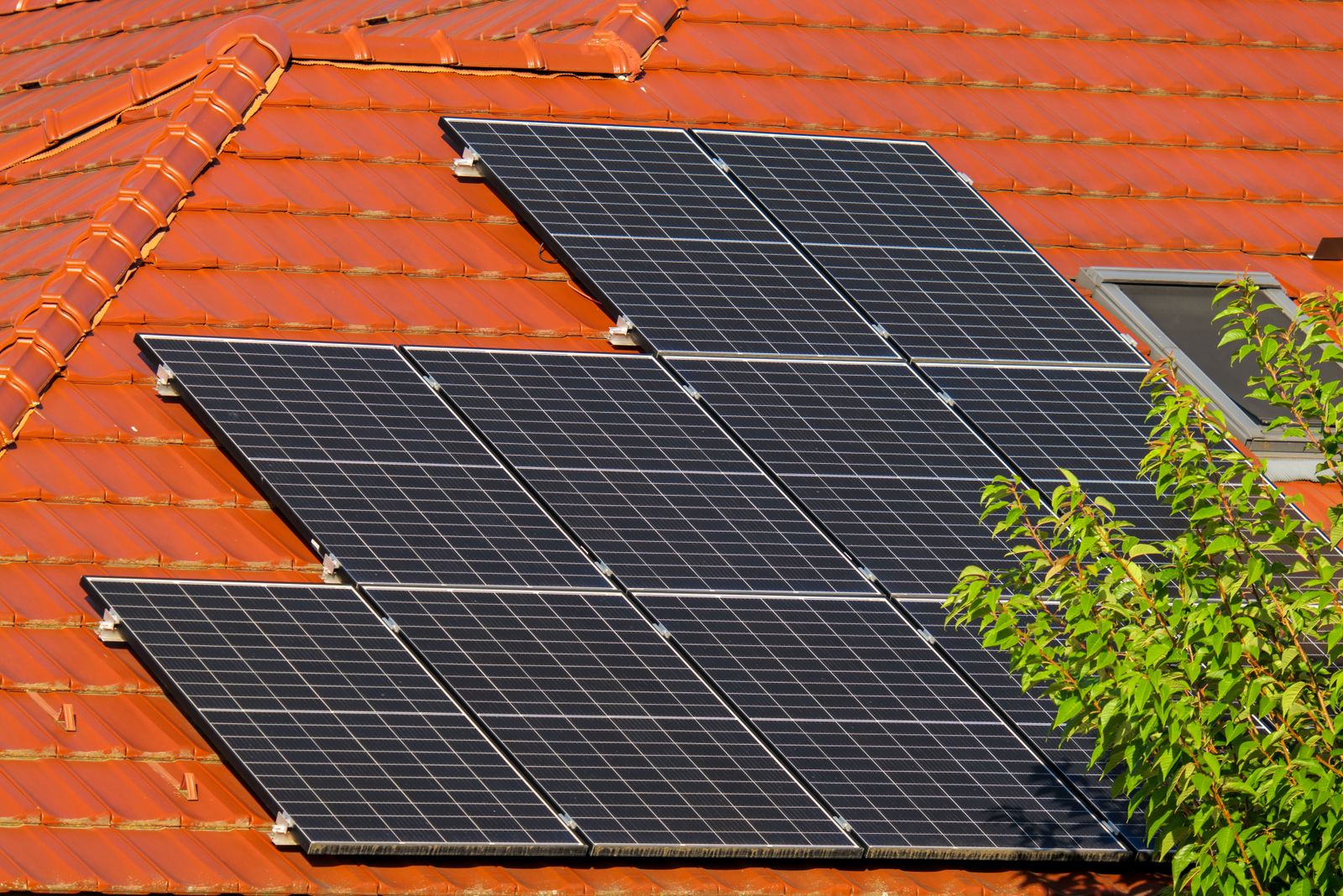
Solar modules wired in series share a current. Whatever the weakest link can pass, everything passes. That is the whole of the problem in one sentence, and it is why a single cottonwood branch can take a fifth off a system that looks fine from the street.
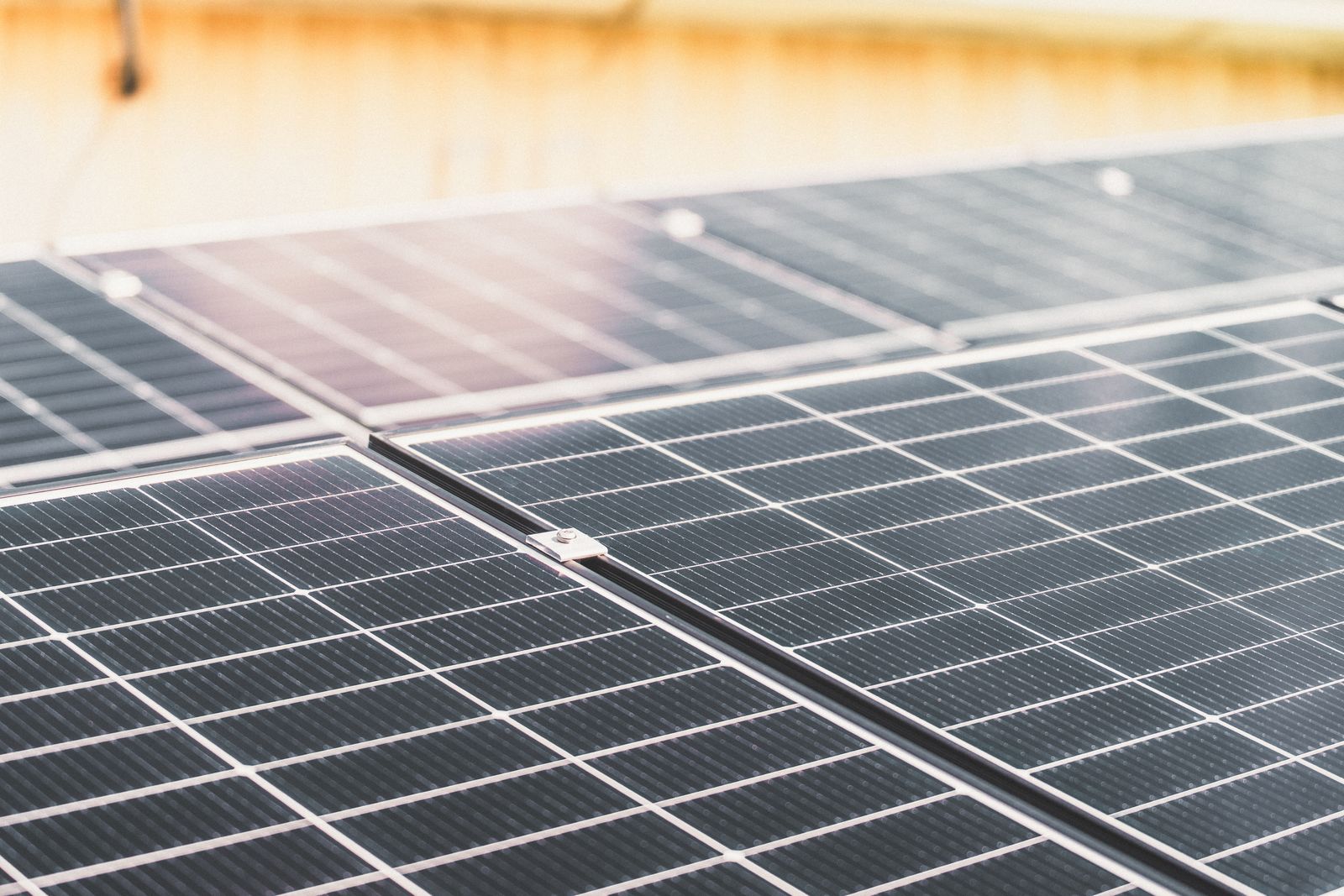
A standard 60 or 72 cell module has three bypass diodes, one across each third of the cells. When a substring is shaded badly enough that it would restrict the string current, its diode conducts and that third of the module drops out of the circuit. You lose a third of that panel, and the rest of the string carries on.
The counter-intuitive bit
Total shade on a module is not the worst case. When a substring is fully shaded, the diode bypasses it cleanly and the string keeps running at full current through the remaining substrings. The damage is bounded.
Partial shade is worse. A substring that is 30 percent obscured can still produce, just at a reduced current, and it is not shaded enough for the diode to take over. The string then runs at that reduced current through every single module in series with it. One panel under dappled shade drags twelve.
In our own modelling, a module at 40 percent shade in a twelve-module string costs the string around 22 percent of its annual output. The same module in complete shadow costs closer to 7 percent.
What module-level electronics change
A DC optimiser or a microinverter gives each panel its own maximum power point tracker. The shaded module produces what it can, every other module produces what it can, and nothing drags anything. The same 40 percent shade that cost a string 22 percent costs a microinverter array about 4 percent.
That is not an argument for putting optimisers on every roof. On a clean, unshaded, single-plane array they add cost, add roof-level components and shave a little conversion efficiency. It is an argument for measuring the shade before choosing the topology.
How we measure it
We take a sky-view reading from several points across each roof plane and build an annual shade profile for each module position. That produces a per-module loss figure for every month, which goes into the production model for all three topologies. You see three annual kWh numbers and three prices, and you choose.
On roughly half the Boulder County roofs we survey, module-level electronics pay for themselves. On the other half they do not, and we say so.
Every figure in this article is a sample for a demonstration website. Ask us for the workings on your own house rather than applying these numbers to it.