



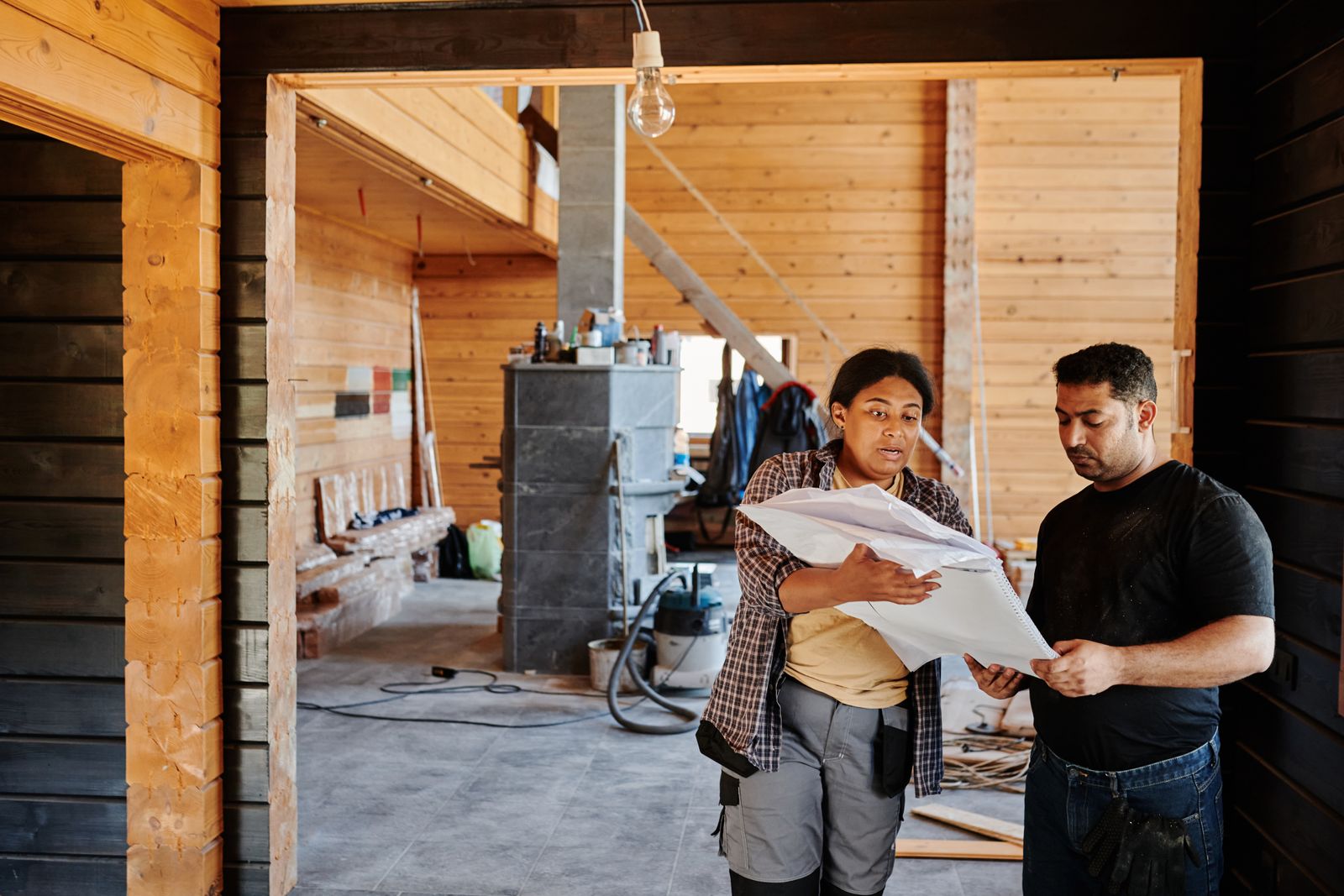
Solutions
Insulation and air sealing
Seal first, then insulate. Attic to R-60, rim joists closed, and the ACH50 re-tested so you can see it moved.
- Attic air sealing and R-60
- $2,800 to $5,400
- Dense-pack walls
- $3.10 to $4.60 per sq ft of wall
- Rim joist foam
- $950 to $1,700
 Insulation and air sealing
How we think about it
Insulation and air sealing, in plain terms
Insulation slows heat moving through a material. Air sealing stops heat riding out on moving air. Do them in the wrong order and you bury the leaks under two feet of cellulose, where nobody will find them for thirty years.
In Boulder County, climate zone 5B, the code prescription is R-49 in the attic and we usually blow to R-60 because the incremental cost of the last 11 is small. Walls on pre-1980 houses are commonly empty or hold settled R-11 batts; dense-pack cellulose from the exterior brings a 2x4 cavity to about R-13 without opening the drywall. Rim joists get two inches of closed-cell foam, which is where a surprising share of the leakage lives.
We re-run the blower door when we are finished. If we said we would take you from 11 ACH50 to 5 and we got you to 6.8, that is on the report, and we come back.
On the quote, not in a change order
What is included
- Air sealing at top plates, penetrations, can lights, attic hatch, chases and rim joists
- Attic blown to R-60 with dense-pack cellulose or blown fibreglass
- Baffles at every soffit bay to protect ventilation
- Dense-pack of empty wall cavities from the exterior where the siding allows
- Closed-cell foam at rim joists, two inches nominal
- Insulated and weatherstripped attic hatch or pull-down stair cover
- Post-work blower door test with before and after ACH50 in writing
- Mechanical ventilation specified if the house comes in below 3 ACH50
Start to finish
How the work runs
- 01
Pre-test
Blower door and thermal sweep set the baseline. The camera tells the crew exactly where to work.
- 02
Seal
One to two days of foam, caulk and gasket work at the ceiling plane before any insulation is added.
- 03
Insulate
Baffles in, depth markers set, material blown to the marked depth and verified in three places.
- 04
Re-test
Second blower door. The before and after numbers go on the invoice.
Why it is worth doing
Three things you get that a cheaper quote will not give you
- 01
The cheapest kWh
A kWh you do not use costs nothing to generate. Air sealing routinely pays back in three to six years where solar takes ten.
- 02
Comfort you can feel
Cold floors and a bedroom nobody wants are almost always an air sealing problem, not a furnace problem.
- 03
Smaller mechanicals
A tighter envelope drops the Manual J load, which can move you down a heat pump size and save thousands.
Asked on nearly every visit
Questions about this work
More on the questions page, or call the shop and ask a person.
Both work. Cellulose is denser, handles air movement better and is made from recycled paper; blown fibreglass is lighter and does not settle. We use cellulose in attics where wind washing is a problem and fibreglass where weight on old ceiling framing is a concern.
Yes. Below about 3 ACH50 a house needs mechanical ventilation, usually a balanced heat recovery ventilator. We specify one rather than leaving you with stale air and high humidity.
We encapsulate them: seal the vents, lay a 20 mil liner, foam the stem walls and bring the crawl inside the thermal boundary. Insulating the floor above a vented crawl is a losing game in a Colorado winter.
A sealed, R-60 attic drops the ceiling surface temperature substantially on a 95 degree Boulder afternoon, which is the difference between the upstairs being usable and not.
Usually bought together
What else this touches
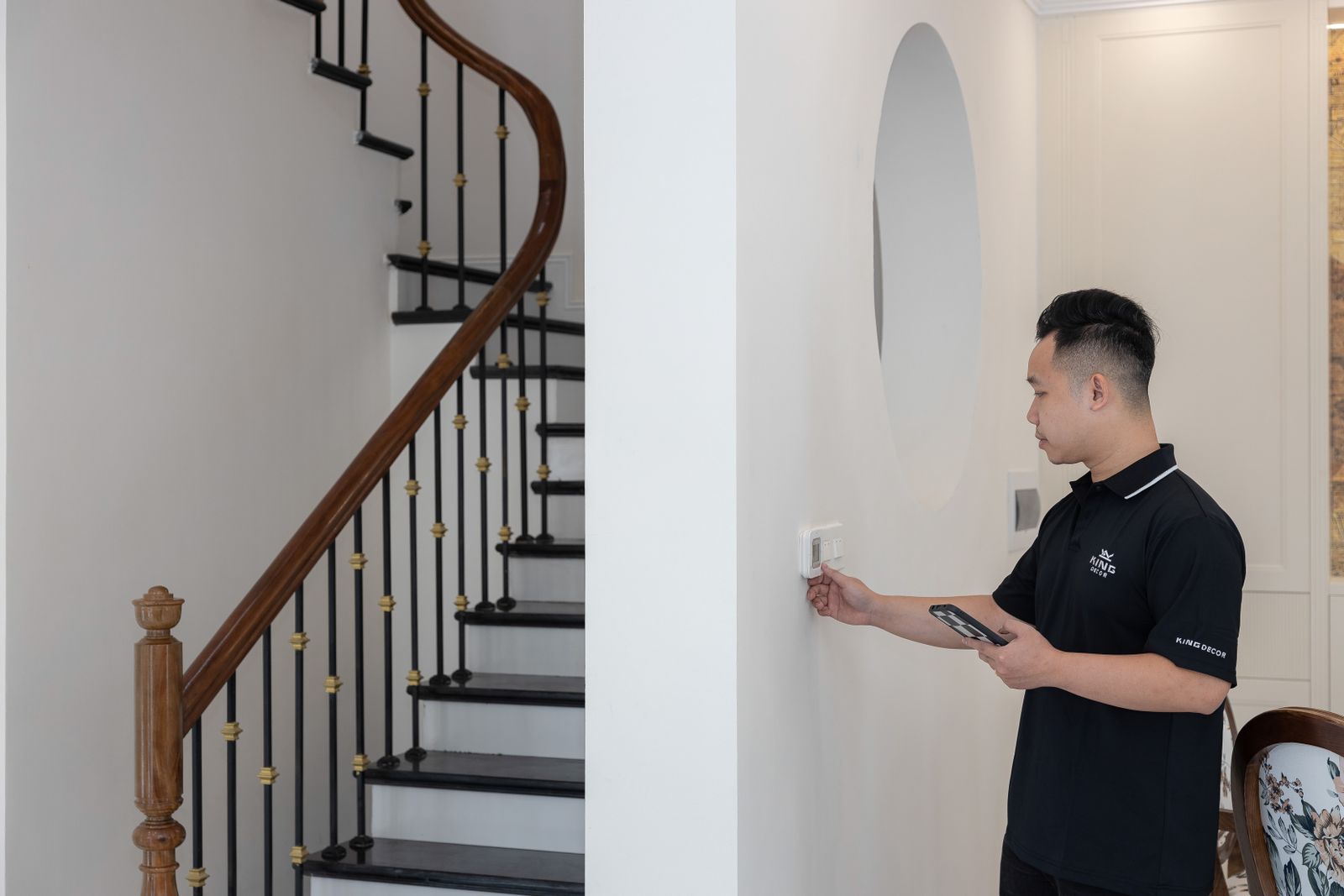 Energy auditsBlower door, thermal scan, combustion safety and a room-by-room Manual J load, in one visit, with the numbers written down.
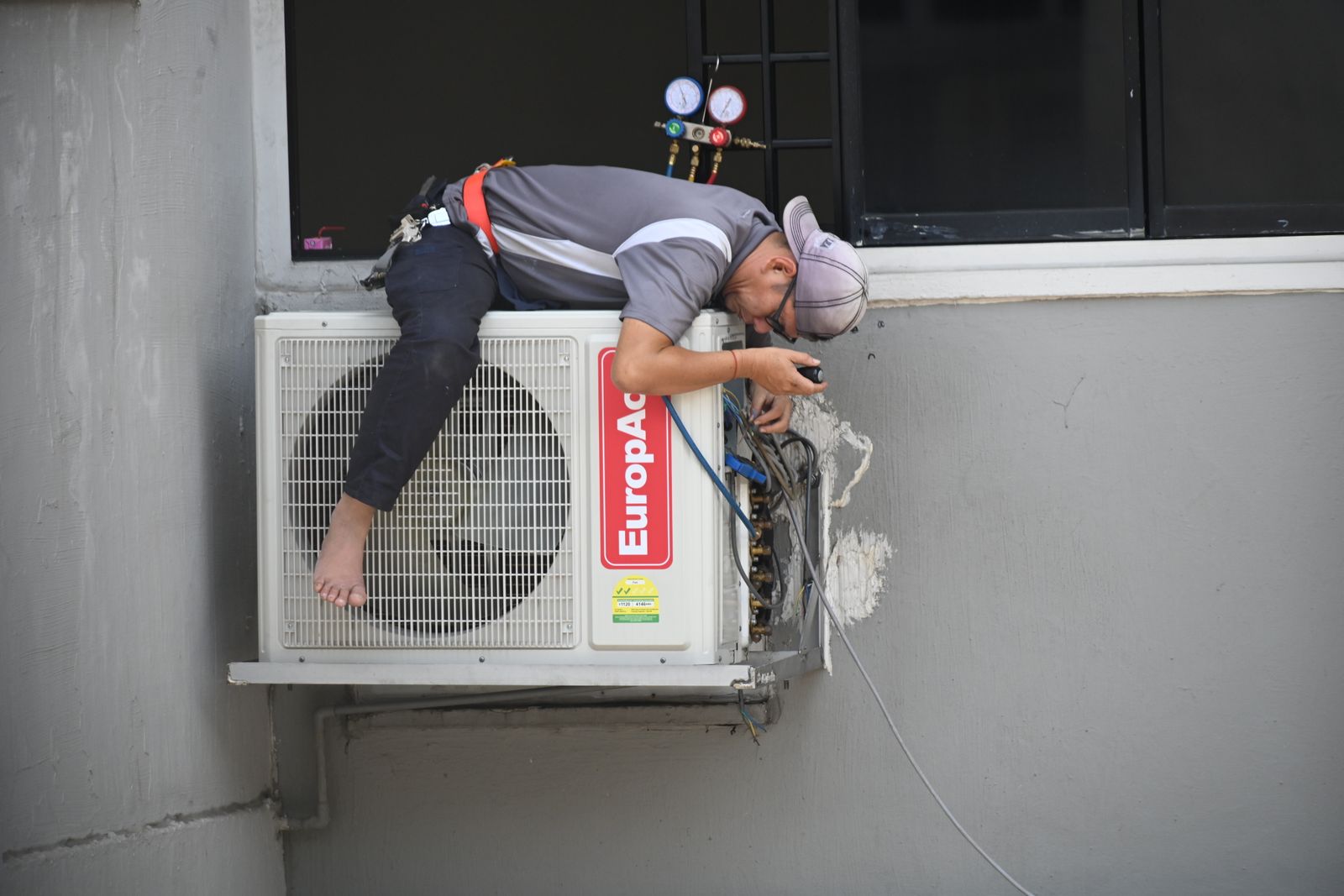 Heat pumpsSized from a real Manual J and specified at 5 degrees F, not at the 47 degree rating on the brochure.
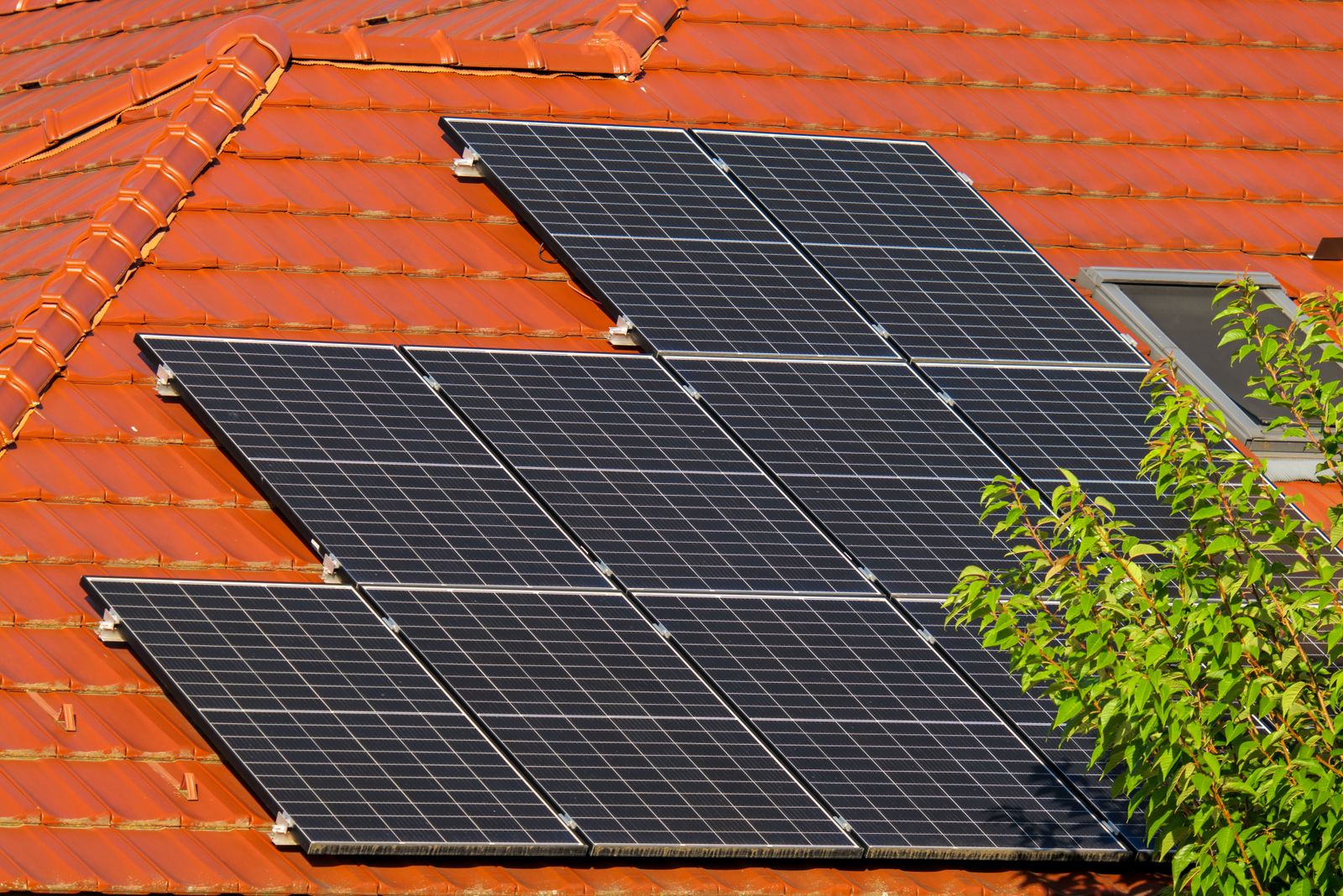
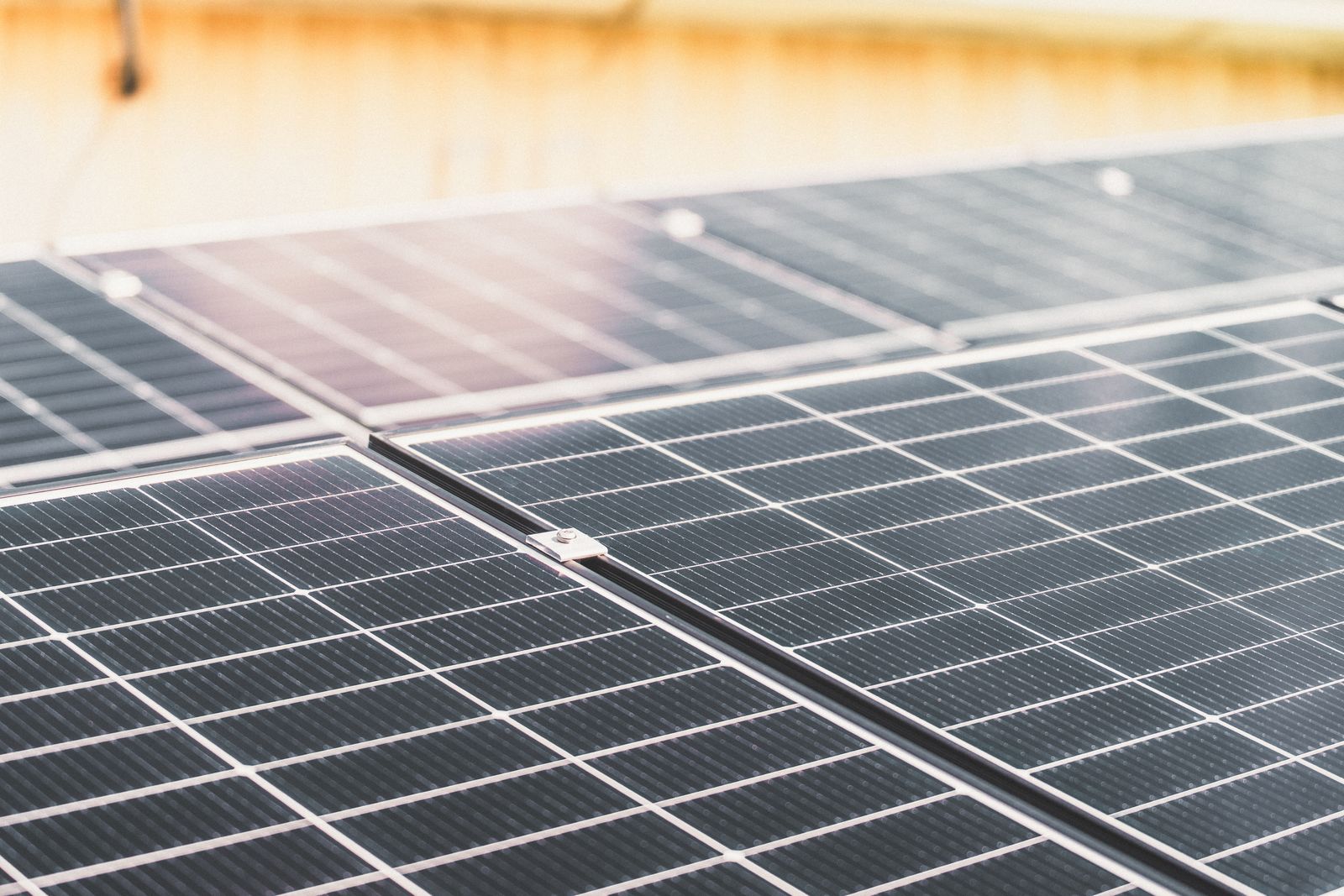 Rooftop solarArrays between 5 and 12 kW DC, sized from twelve months of your own kWh rather than from your roof area.
Start with the test, not the quote
Three to four hours on site, a written report in five business days, and a recommendation that might well be to spend less than you planned.