



Climate zone 5B, dry
Eight measures, ranked by what they actually pay back
Sample costs and savings for a typical pre-1990 Boulder County home of 1,600 to 2,200 square feet. The audit produces your own version of this table, with your own readings behind it.
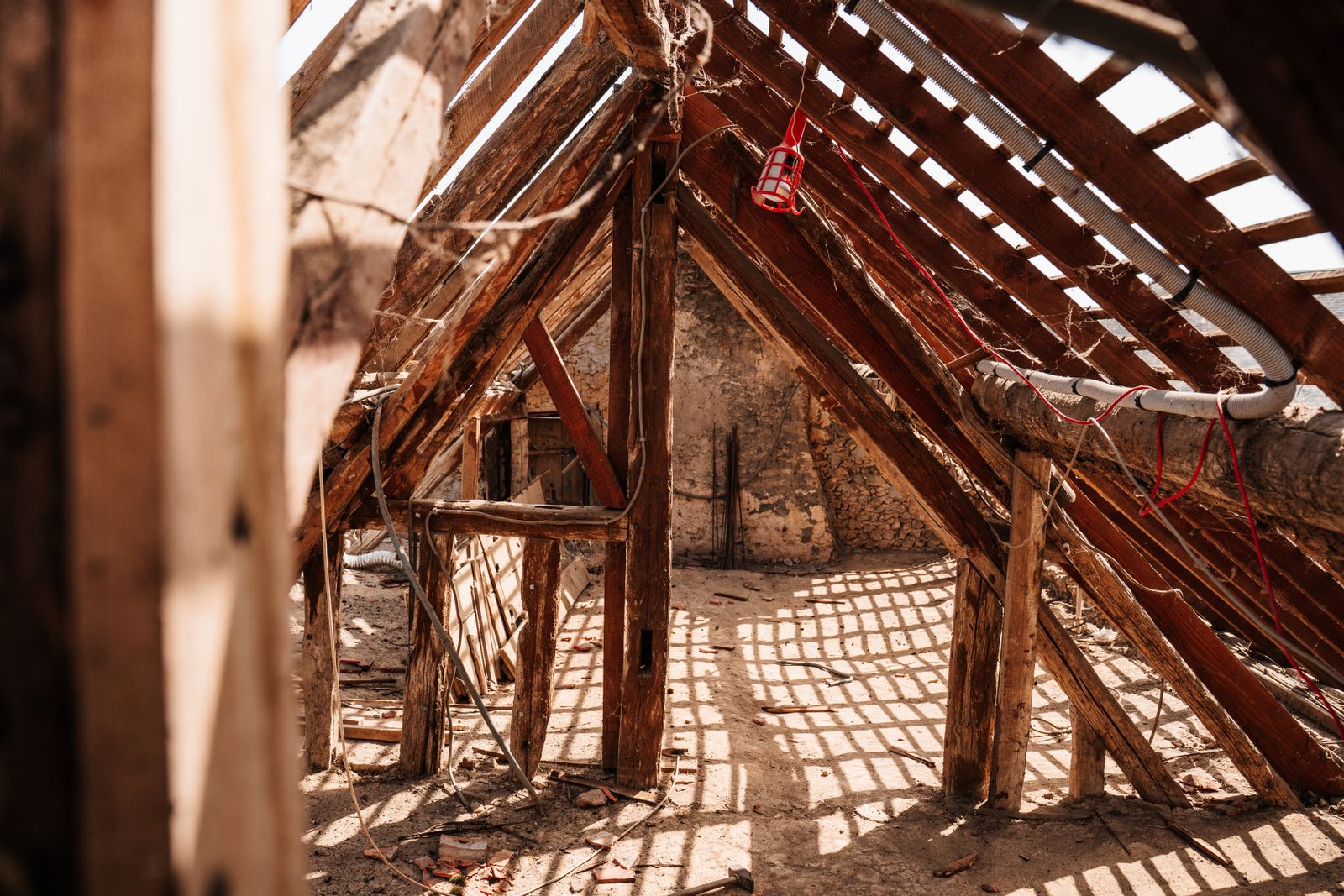 R-60 blown cellulose over a sealed ceiling plane
Cheapest energy first
The list, in payback order
Paybacks assume current Boulder County energy prices and no incentives. Most of these measures qualify for at least one rebate, which shortens them.
| Measure | Typical cost | Typical saving | Simple payback | Notes |
|---|---|---|---|---|
| Attic air sealing | $1,400 to $2,600 | 8 to 14 percent of heating | 3 to 5 years | Always first. Sealing under existing insulation is the single highest-return hour in the house. |
| Attic insulation to R-60 | $1,400 to $2,800 | 6 to 11 percent of heating | 5 to 8 years | Code prescription for zone 5B is R-49. The last 11 is cheap once the crew is up there. |
| Rim joist closed-cell foam | $950 to $1,700 | 3 to 6 percent of heating | 6 to 9 years | Small area, disproportionate leakage. Also fixes cold floors above unconditioned basements. |
| Dense-pack wall cavities | $3.10 to $4.60 per sq ft | 9 to 16 percent of heating | 8 to 14 years | Only worth it where cavities are empty or badly settled. We borescope before quoting. |
| Crawl space encapsulation | $4,200 to $8,900 | 5 to 10 percent of heating | 9 to 15 years | Brings the crawl inside the thermal boundary. Also a radon and moisture measure. |
| Heat pump water heater | $2,400 to $3,900 | 1,800 to 2,900 kWh equivalent a year | 4 to 7 years | Needs 700 cubic feet of air around it or ducting. Cools the space it sits in, which is a bonus in a summer basement. |
| Cold-climate heat pump | $14,500 to $24,000 | Replaces 400 to 900 therms with 3,200 to 6,400 kWh | Depends entirely on rates | The measure that makes your array worth more, because heating moves onto the meter your roof feeds. |
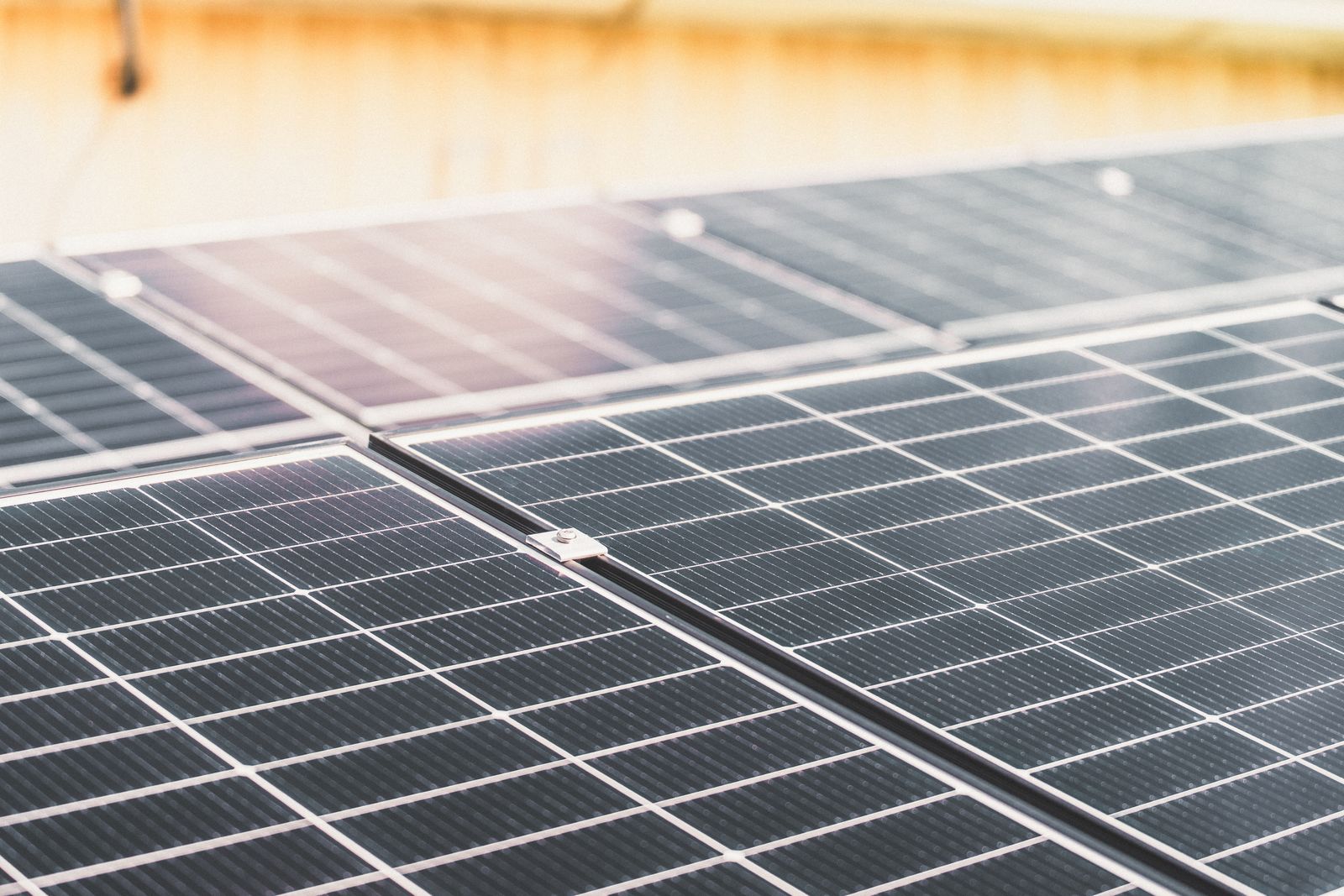
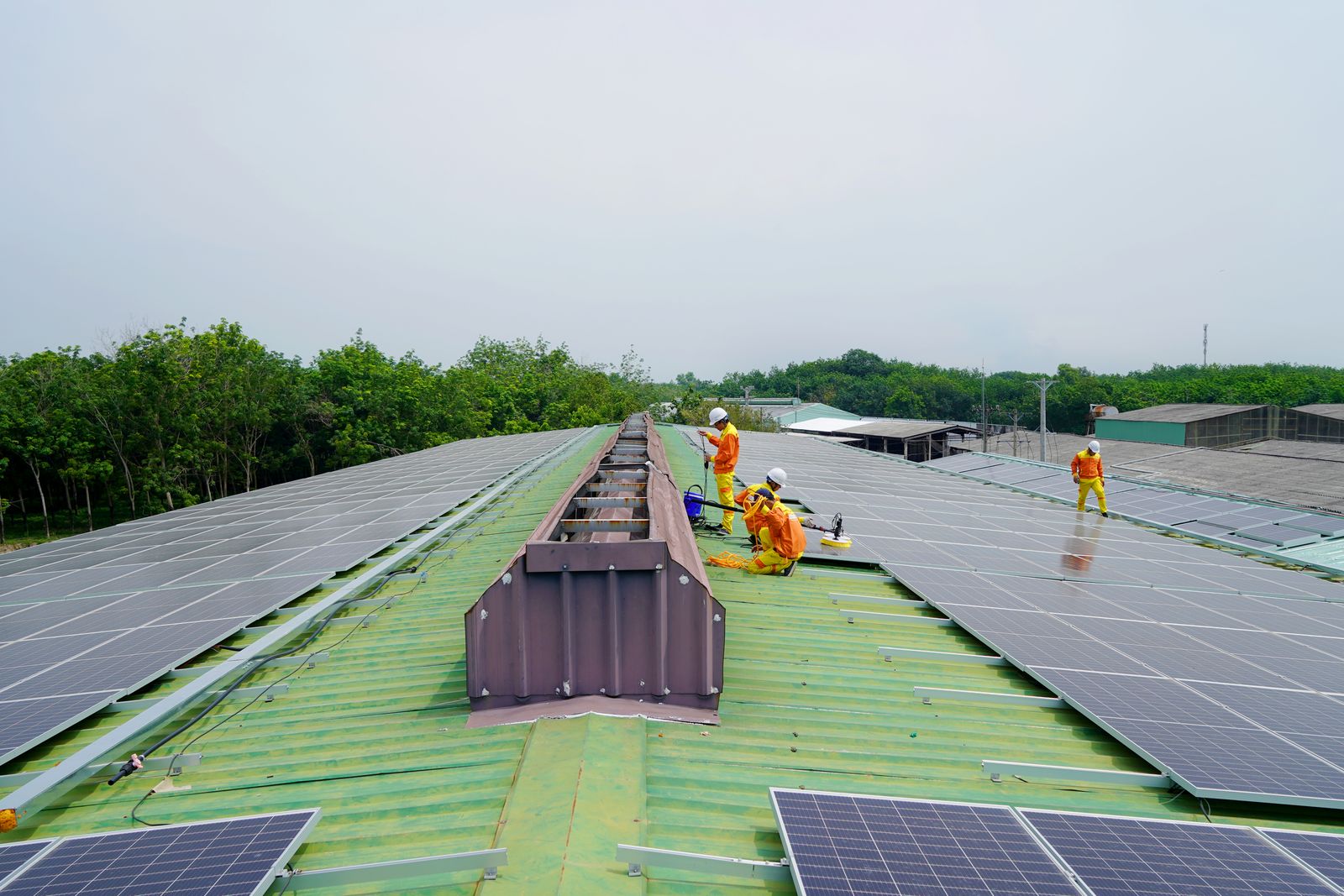
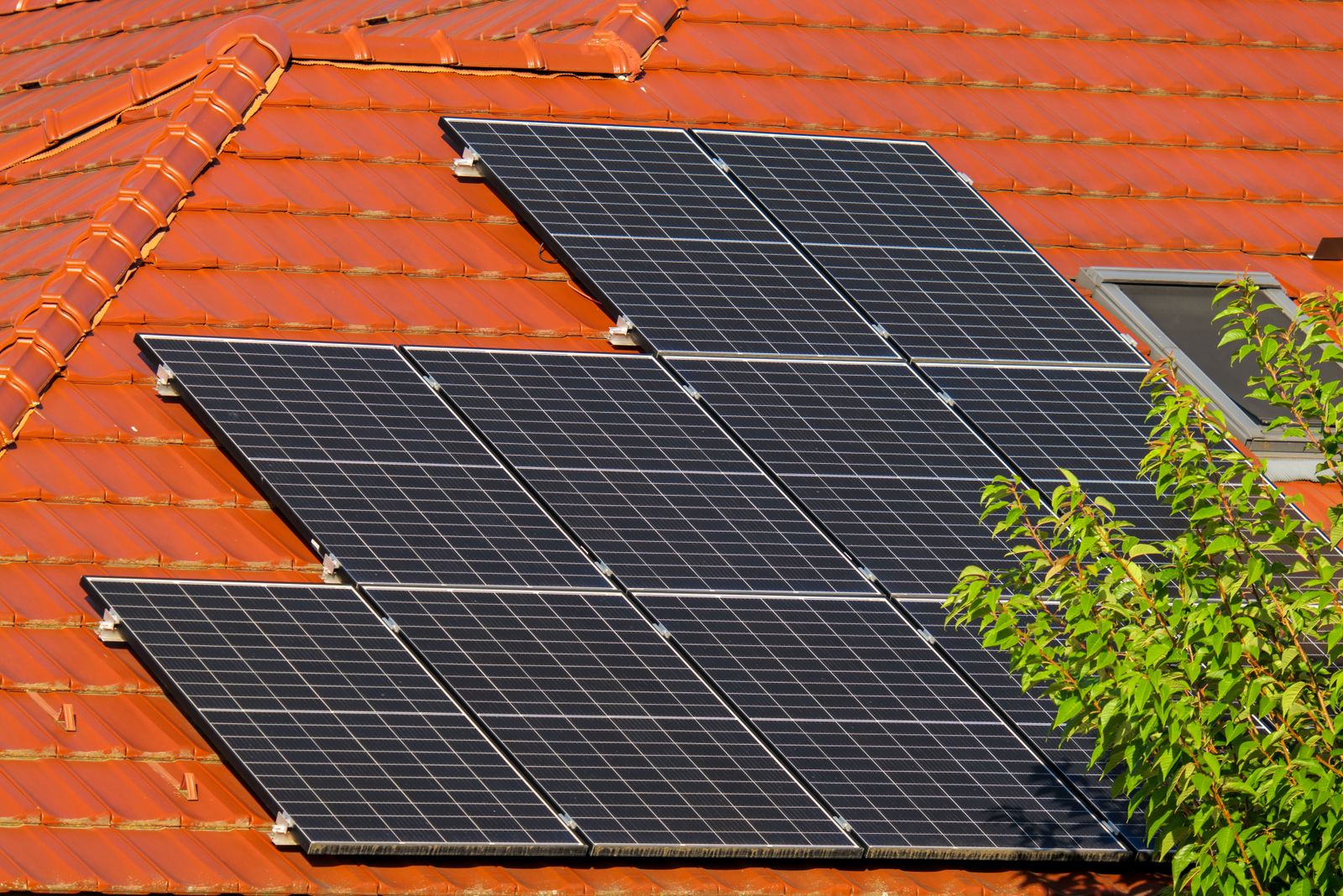
| Rooftop solar | $2.75 to $3.40 per watt DC | 1,480 kWh per installed kW DC per year | 9 to 13 years | Last, not first. Generate what a tight house needs, not what a leaky one wastes. |
The numbers behind the numbers
What zone 5B actually asks for
| Climate zone | 5B, dry | Boulder County. Cold winters, low humidity, high solar gain. |
|---|---|---|
| 99 percent winter design temperature | About 2 degrees F | The number a Manual J heating load is calculated against. |
| Attic insulation, code prescription | R-49 | We blow to R-60 because the last 11 is cheap once the crew is up there. |
| Wall insulation, code prescription | R-20, or R-13 plus R-5 continuous | Pre-1980 stock is commonly empty or settled to R-8. |
| New construction air tightness | 3.0 ACH50 or lower | Pre-1990 Boulder County homes typically test at 8 to 14. |
| Mechanical ventilation threshold | Below 3.0 ACH50 | A balanced heat recovery ventilator becomes necessary, not optional. |
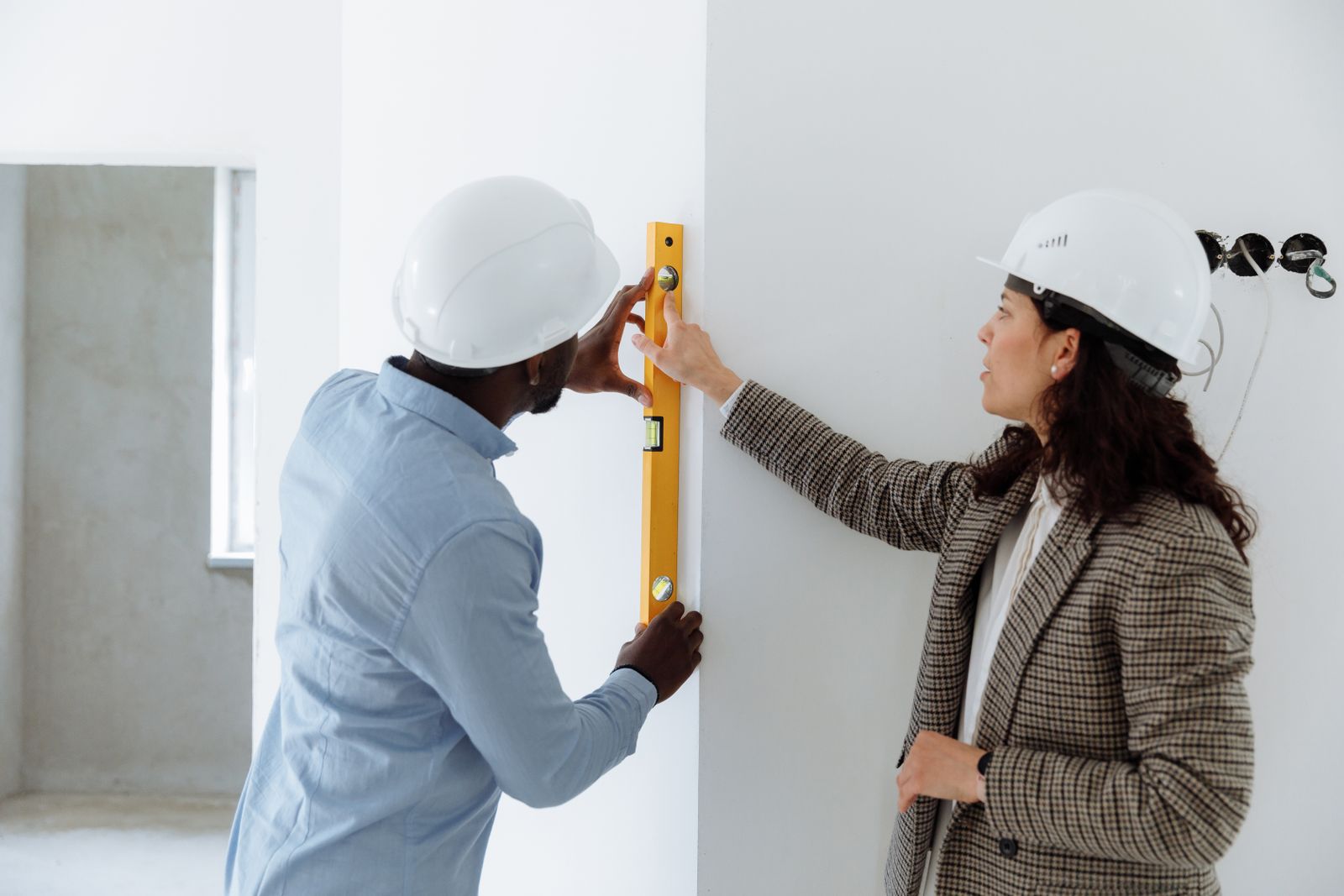 Envelope work, before anything gets insulated
The rule we will not bend
Seal, then insulate, then electrify, then generate
Insulation slows heat moving through a material. Air sealing stops heat riding out on moving air. Do them in the wrong order and you bury the leaks under two feet of cellulose, where nobody will find them for thirty years.
Then electrify, because a smaller load means a smaller heat pump. Then generate, because an array sized against a sealed, electrified house is the right array. Every other order costs more and removes less.
- 01Seal the ceiling plane and the rim joist
- 02Insulate to R-60 with baffles and depth markers
- 03Re-test and publish both ACH50 numbers
- 04Size the heat pump off the reduced load
- 05Design the array against the electrified house
Attics, walls and windows
Questions about efficiency work
Attic air sealing, essentially every time. It is the cheapest measure per unit of heat saved, it makes everything after it smaller, and it fixes the comfort complaints people actually have.
Sometimes, in specific places. Two inches of closed cell at the rim joist is excellent. Filling an entire attic with open cell is expensive, complicates future work and is rarely the best value against sealed-and-blown.
Windows are the most expensive way to buy a small amount of efficiency. Unless they are single glazed or failing, air sealing and attic insulation will beat them for a fraction of the cost. We will tell you that even though we do not sell windows either way.
Yes. Below about 3 ACH50 a house needs mechanical ventilation. We specify a balanced heat recovery ventilator rather than leaving you with stale air, high humidity and condensation on the north windows.
Most do, and most programmes require a pre-work audit from a certified auditor. Ours qualifies, and we prepare the paperwork as part of the report. Amounts change, so the figures on our incentives page are samples.
Start with the test, not the quote
Three to four hours on site, a written report in five business days, and a recommendation that might well be to spend less than you planned.