


Six stages, five instruments
Three hours that decide the next fifteen years of your bills
Nearly every proposal we write starts here, because it is the only way to know whether a house needs a roof full of panels or forty hours in the attic. You get readings, not a score.
- Time on site
- 3 to 4 hours
- Report turnaround
- 5 business days
- Fee
- $395, credited back
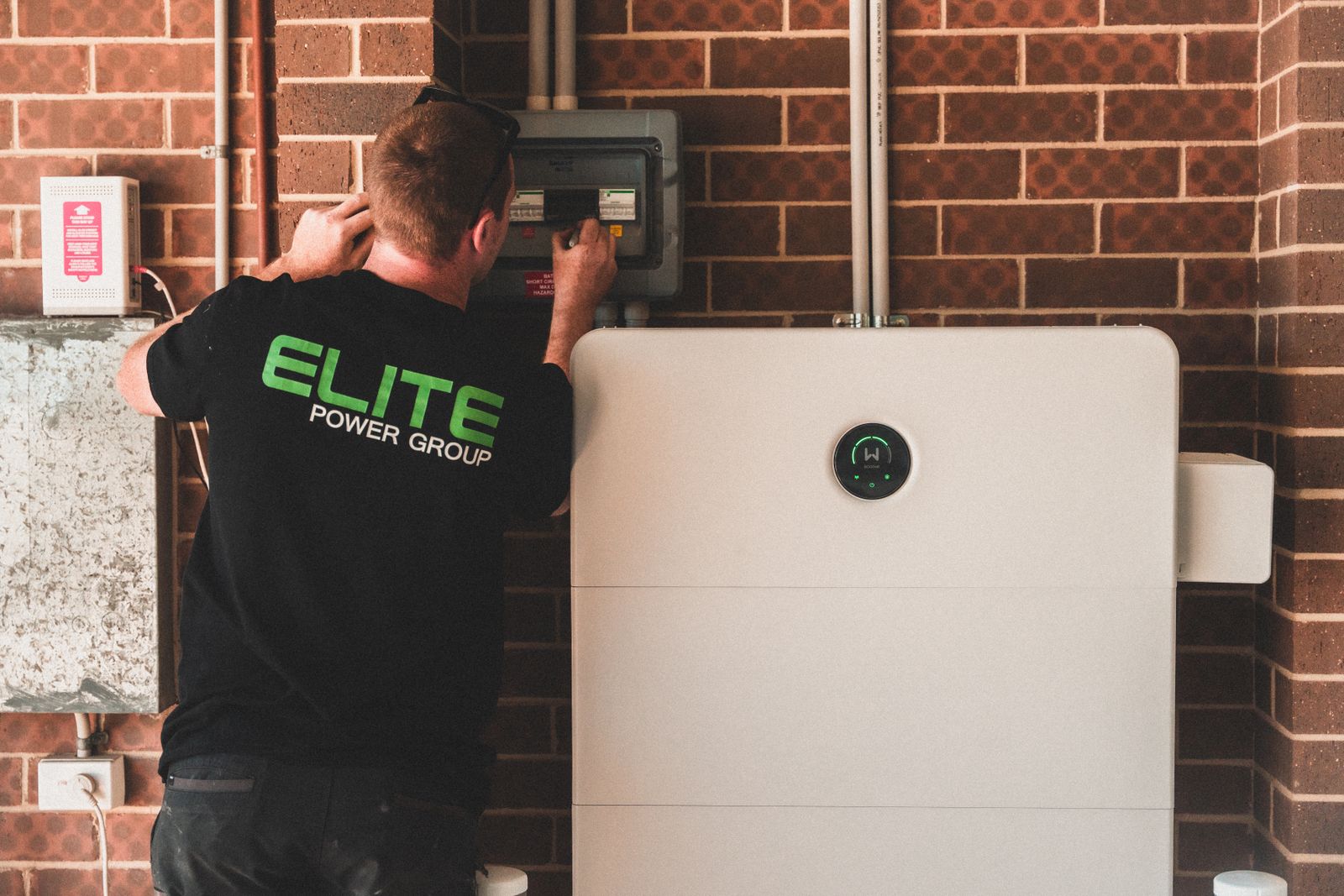
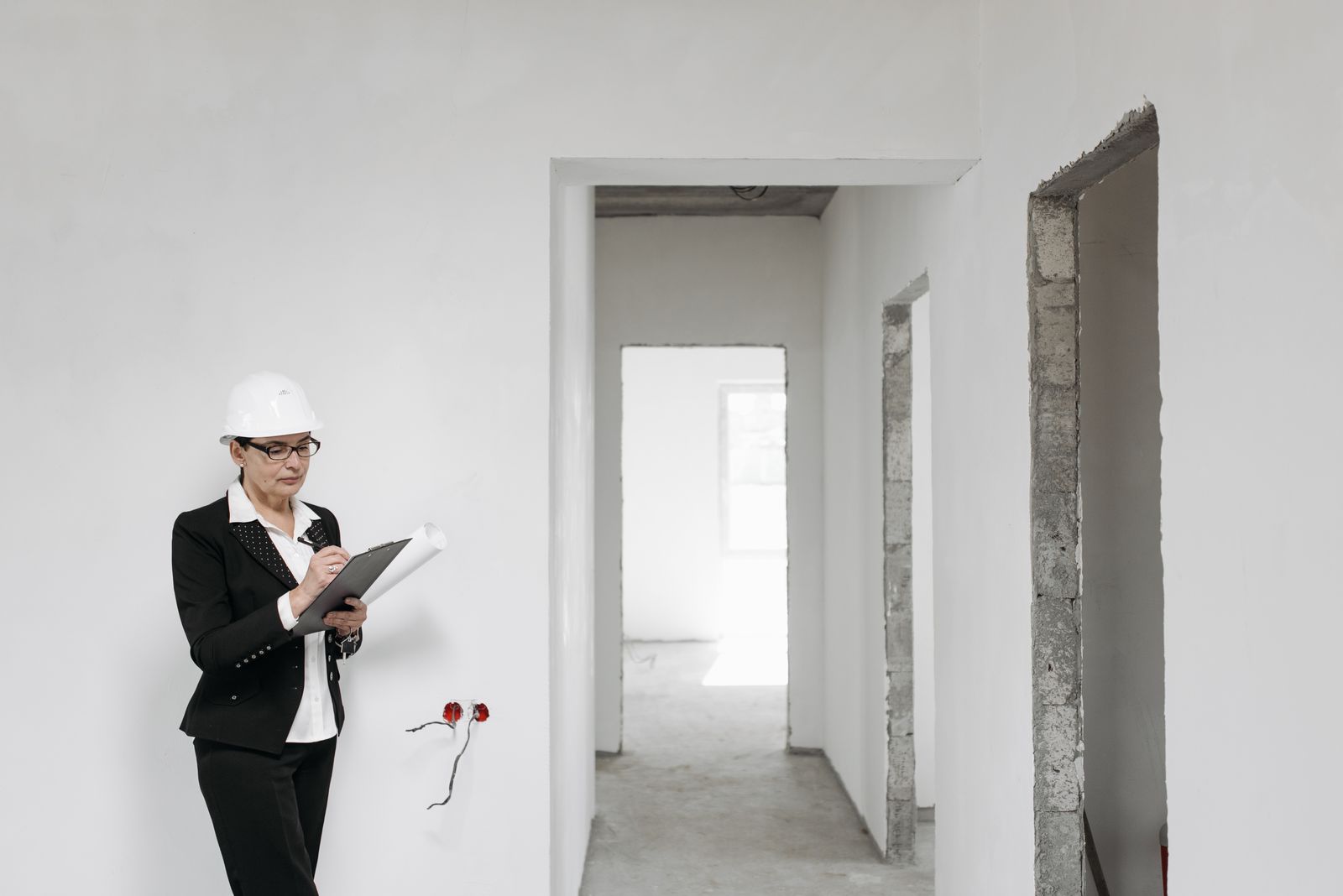 Blower door day, Table Mesa
On the day
The six stages, in order
- 01
The conversation before the instruments
Forty minutes on the history of the house: when it was built, what has been done to it, which rooms are cold, which bills look wrong, what smells or sounds are new. Most of the good hypotheses come from here.
- 02
Blower door
We seal the house, mount a calibrated fan in an exterior door and depressurise to 50 pascals. The airflow needed to hold that pressure gives CFM50, which converts to air changes per hour against the conditioned volume.
- 03
Thermal sweep under pressure
With outside air being actively pulled in, leaks light up on the camera. Top plates, rim joists, recessed lights, the attic hatch, the flue chase and the band above the garage.
- 04
Ducts and combustion
Duct leakage measured where ductwork leaves the thermal envelope, static pressure checked at the air handler, and a combustion safety and carbon monoxide test on every atmospherically vented appliance. Anything unsafe is reported on the day.
- 05
Manual J
Room by room, against Boulder County's 99 percent winter design temperature of about 2 degrees F. This is what decides the heat pump size, and it is why our proposals are routinely a size smaller than everyone else's.
- 06
The report
Within five business days. Measured readings, not a score. Every recommended measure carries a cost, a modelled saving in therms or kWh, and a simple payback, ranked so you can draw a line wherever your budget is.
What comes out of the van
Five instruments and what each one is for
| Instrument | What it measures | Why it matters |
|---|---|---|
| Calibrated blower door | CFM50 and ACH50 | The only objective measure of how leaky a house is. Everything else in the report is calibrated against it. |
| Thermal imaging camera | Surface temperature differences | Under depressurisation, incoming cold air paints the leaks. It tells the crew exactly where to work. |
| Duct blaster | Duct leakage to outside, CFM25 | Ducts running through a vented attic can lose 20 to 30 percent of conditioned air before it reaches a room. |
| Combustion analyser | CO, draft, spillage | Tightening a house changes its pressure balance. Atmospherically vented appliances have to be checked, not assumed. |
| Manometer and flow hood | Static pressure, room airflow | A heat pump is only as good as the duct system asked to carry its air. |
| Insulation probe | Actual depth and type | Attic R-value is measured in three places, not read off a sticker from 1988. |
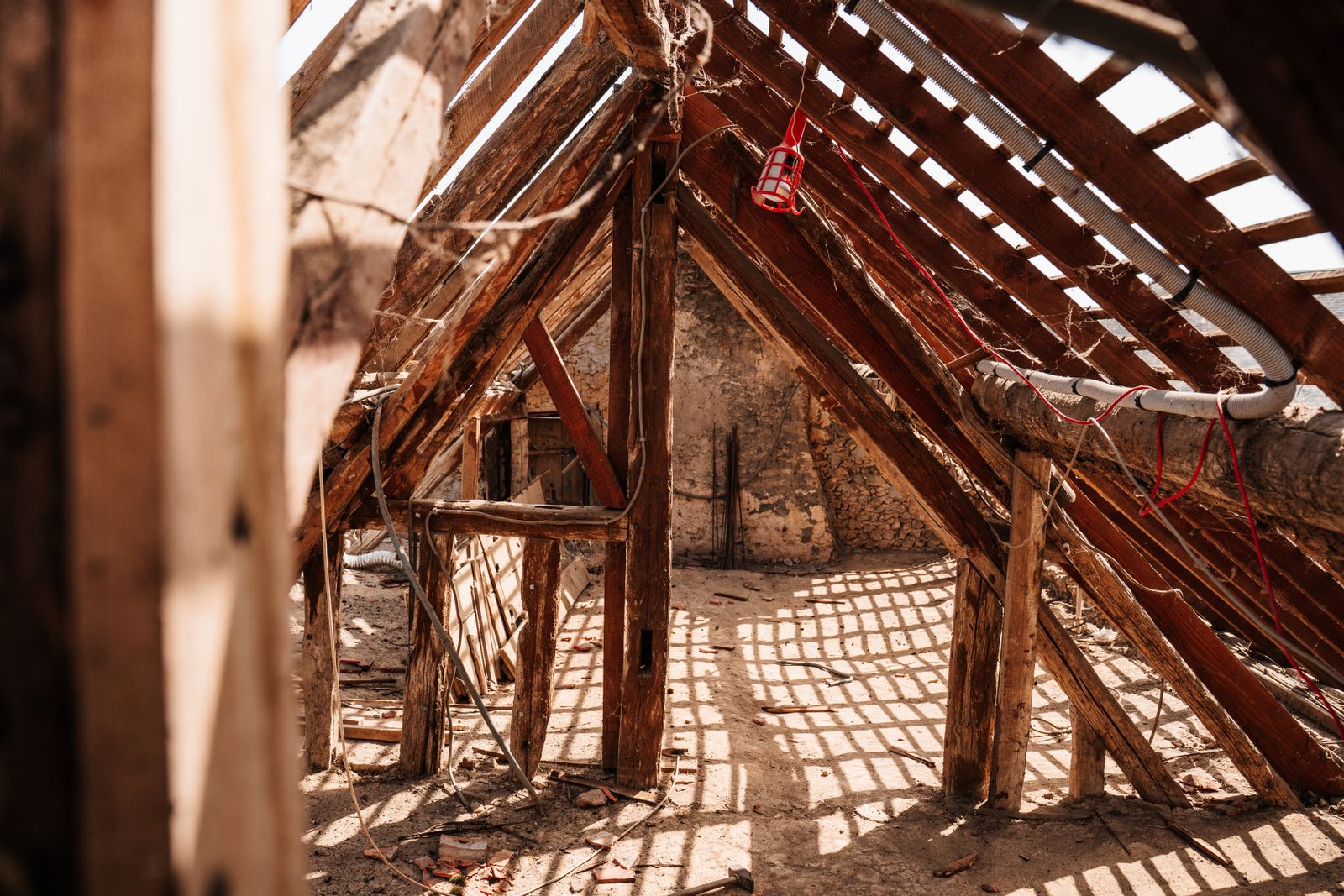 Rafters and top plates, where the leaks live
What you get, five days later
A report with numbers in it
- ACH50 and CFM50 as measured, with the conditioned volume used to calculate them
- Thermal images of every significant leak, captioned and located
- Attic, wall and rim joist insulation type and measured depth
- Duct leakage to outside in CFM25 where ducts leave the thermal boundary
- Combustion safety results for every vented appliance, pass or fail
- Room-by-room Manual J heating and cooling load at 2 degrees F
- Every recommended measure with a cost, a modelled saving and a simple payback
- Rebate paperwork started for the programmes you qualify for
Report was blunt about what was and was not worth doing. We did the first three items and skipped the rest without any pressure.
Before you book
Questions about the audit
Then read the costed measure list to see what usually comes out of one.
Three to four hours on site for a house up to about 2,500 square feet. Somebody needs to be home, and we need access to the attic, the mechanical room and every room with a supply register.
$395 for homes to 2,500 square feet (sample price), credited in full against any GreenLeaf installation over $6,000 signed within 90 days of the report.
Occasionally. Cracked heat exchangers, backdrafting water heaters and disconnected dryer vents all turn up. Anything unsafe is reported on the day, verbally, before we leave.
No. The report is yours, the rebate paperwork is yours, and a fair number of people take it to another contractor. We would rather that than sell somebody work they do not need.
No. A free assessment is a sales visit with a clipboard. This is an instrumented test with numbers that a rebate programme will accept.
Book it, then decide
Three to four hours, $395 credited back against any install over $6,000, and no obligation to buy anything at all.