




Six steps, no email required
From your bill to an array size, with the arithmetic showing
Every step is visible and every assumption is printed underneath. If a calculator will not show you its workings, it is not a calculator, it is a lead form.
 6.8 kW DC, Martin Acres
Change anything you like
Bill, rate, offset target, roof plane
The roof plane dropdown uses the same percentages as the full tilt and orientation table, so you can check where a number came from.
Start with your bill
Take last month's total and divide it by the kWh on the same bill. It is rarely the headline number.
Above about 100 percent the surplus is credited below retail, so the last kWh you build is the worst value.
What that means in real units
- 01Annual energy you buy0 kWhBill x 12, divided by your blended rate
- 02Energy you want the array to make0 kWhThat share of your annual kWh
- 03Array power needed0 kW DCTarget kWh divided by 1,480 kWh per kW, adjusted for the plane
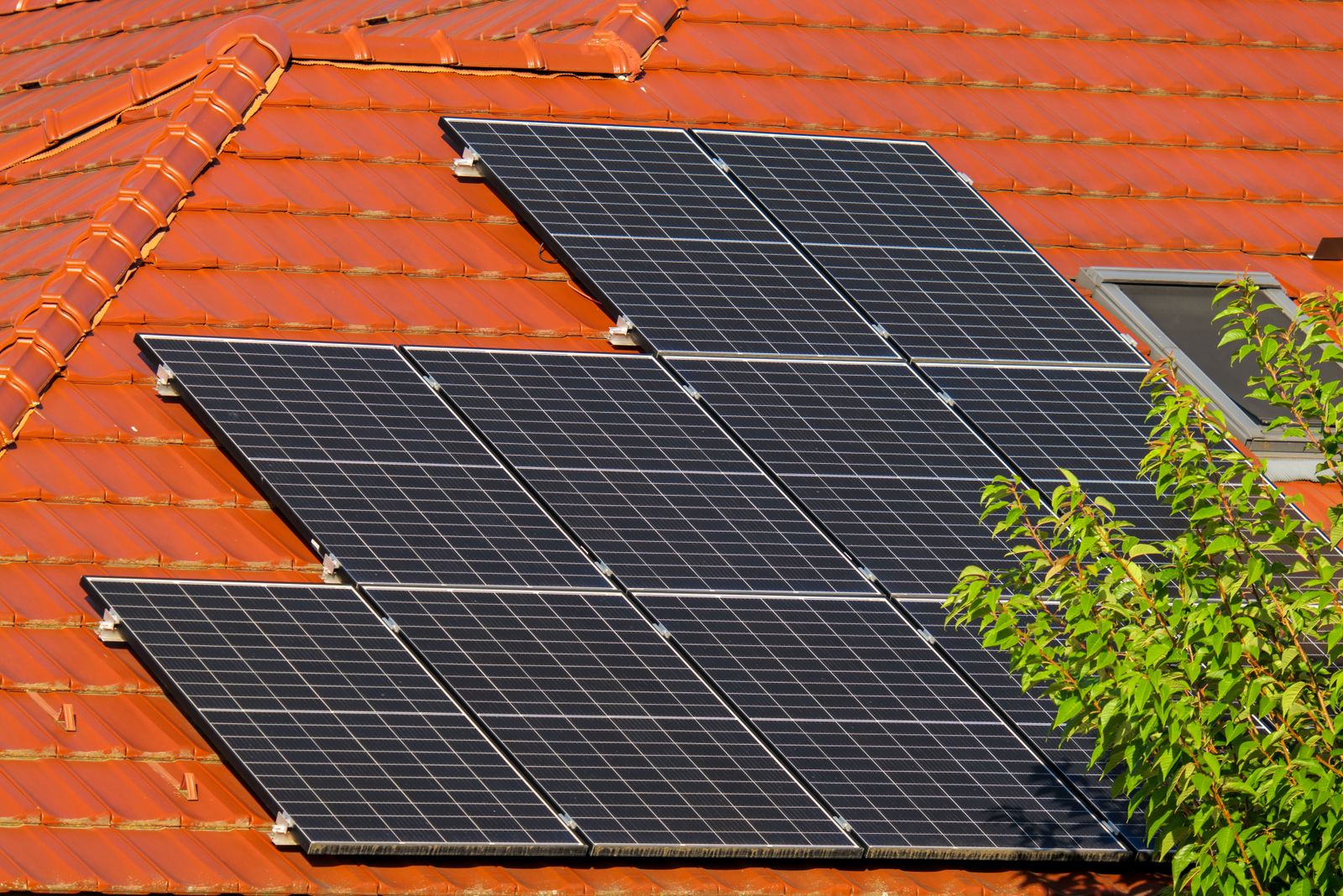
- 04Modules at 430 W0And roughly 0 sq ft of usable roof plane after fire access setbacks
- 05Installed price before incentives$0At $2.75 to $3.40 per watt DC (sample range)
- 06First-year bill reduction$0Self-consumed energy at your rate, surplus credited lower
Sample model for this demo site. It assumes 1,480 kWh per installed kW DC per year in Boulder, 430 W modules at about 21.5 sq ft each, an 18 percent setback allowance, and export credited at 60 percent of retail. Your quote comes from a roof survey and twelve months of your own data, not from this box.
What a calculator cannot know
Four things that will change this number
- 01
Shading
The single largest variable, and the one no bill-based estimate can see. A plane at 95 percent of optimum with two cottonwoods in front of it can behave like a plane at 70 percent. The shading simulator models it properly.
- 02
What your house is about to become
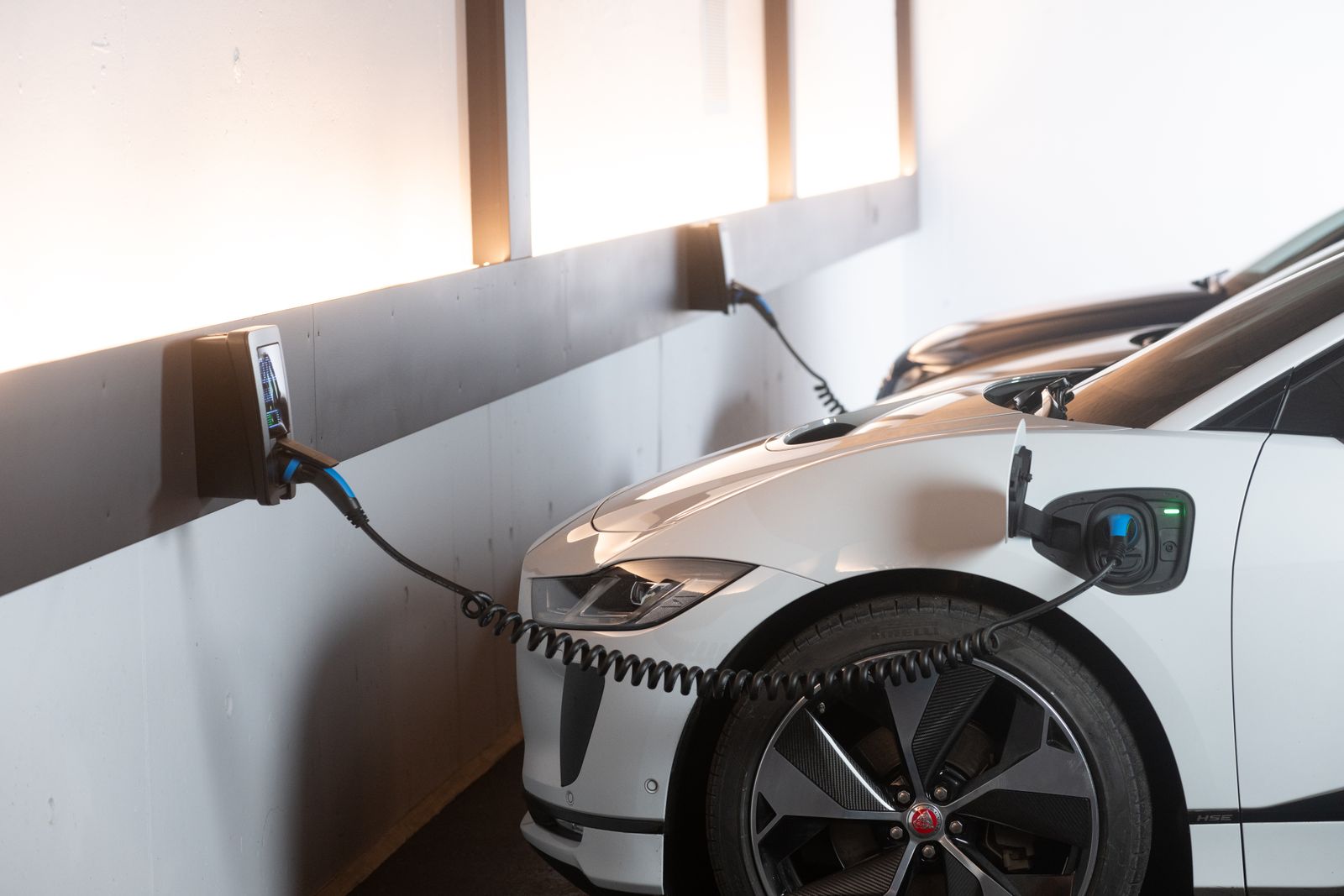
A heat pump adds 3,200 to 6,400 kWh a year. An electric car adds roughly 3,000. A basement conversion adds a surprising amount. Sizing to last year's bill on a house that is about to electrify is a mistake we see constantly.
- 03
Your service panel
The 120 percent busbar rule caps inverter output on the panel you have. On a 200 A bus with a 200 A main that is about 7.68 kW AC, whatever the roof could hold.Run the check.
- 04
Whether the envelope should go first
On a pre-1990 house at 12 ACH50, forty hours of air sealing is cheaper per kWh than any array. The audit answers this before the proposal is written.
About the model
Questions about the numbers
Because the roof tells you what is possible and the bill tells you what is useful. Sizing from roof area is how people end up exporting a third of their generation at a lower credit value while their attic carries on leaking.
Your total bill divided by the kWh on the same bill. It includes the fixed charges, riders and taxes that the headline per-kWh number leaves out, which is why it is almost always higher than the rate people quote from memory.
This model assumes surplus energy is credited at about 60 percent of retail, which is a conservative sample figure. Some arrangements credit at full retail up to a cap. The number matters, so it goes on your proposal explicitly rather than being buried in an assumption.
No, deliberately. The price shown is before any credit or rebate, because eligibility varies and we are not tax advisers. The incentives page lists what currently reaches Boulder County homes, with sample amounts.

Start with the test, not the quote
Three to four hours on site, a written report in five business days, and a recommendation that might well be to spend less than you planned.