


Audits
Why we test the house before we quote the roof
Half the homes we survey in Boulder County are leaking a third of their heating energy. Solar cannot fix that, and it should not have to.
 Audits, Boulder County
The cheapest kWh is the one you never buy
Generating a kilowatt hour on your roof costs real money in hardware, permits and labour. Not needing it costs the price of a tube of sealant and an afternoon in an attic. The order of operations follows from that, and yet the whole industry usually runs it backwards.
Across the pre-1990 Boulder County housing stock we typically measure 8 to 14 air changes per hour at 50 pascals. Current code for new construction is 3.0 or lower. That gap is not an abstraction; it is the back bedroom nobody sleeps in.
What three hours with a blower door tells you
We depressurise the house to 50 pascals, record the airflow needed to hold it there, and convert that to air changes per hour against the conditioned volume. Then we walk the envelope with a thermal camera while the leaks are being actively pulled through.
The picture is almost always the same in a mid-century Front Range house: open top plates above interior partitions, uncapped recessed lights, an uninsulated attic hatch, a chase around the flue, and a rim joist that is functionally a window left open all winter.
- ACH50 before, measured not estimated
- Attic R-value measured in three places
- Duct leakage where ducts leave the thermal boundary
- Combustion safety and carbon monoxide on every vented appliance
- Room-by-room Manual J load at 2 degrees F
What it changes
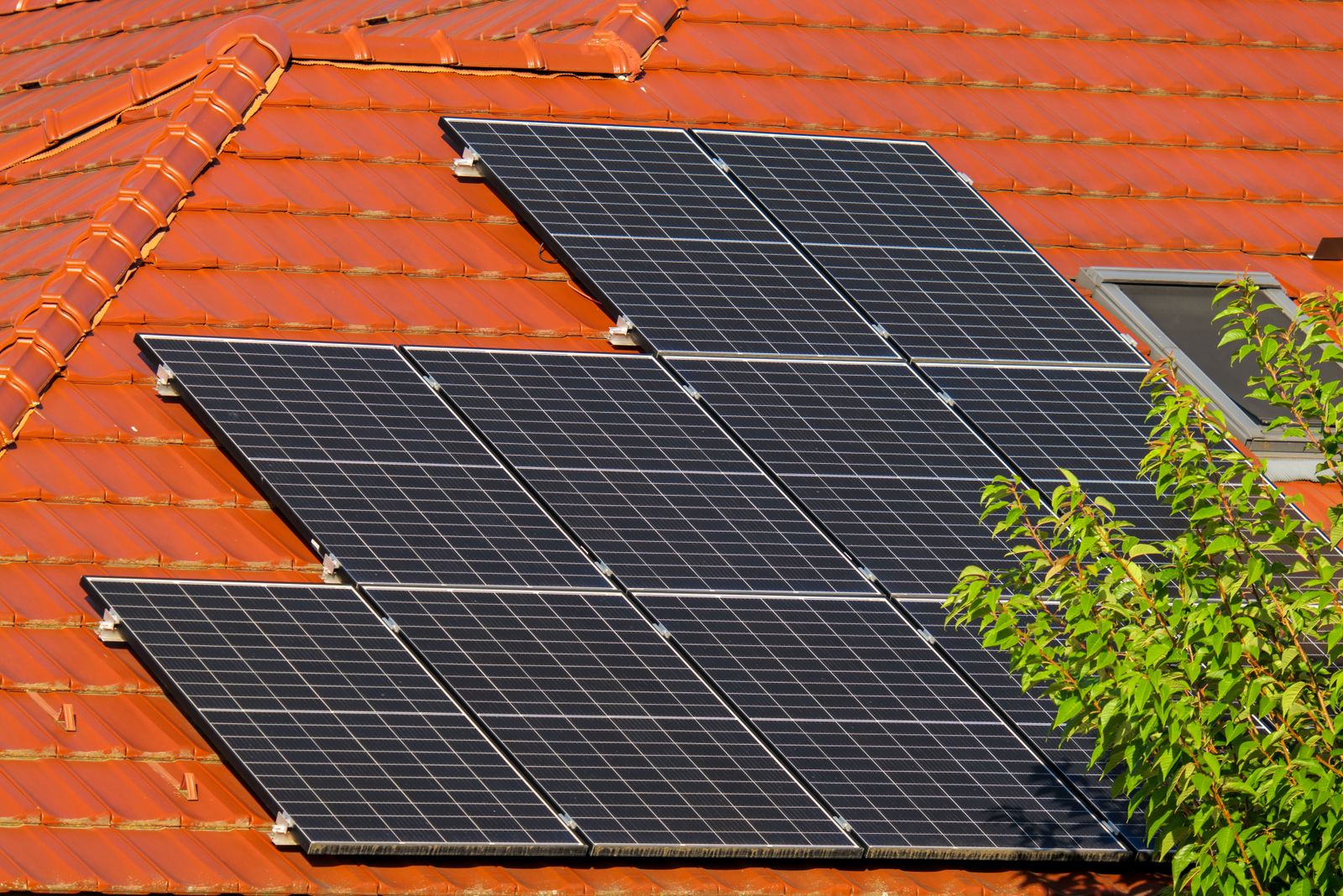
On a Martin Acres ranch last year the homeowners arrived asking for 11 kW. After two days of air sealing and a cellulose top-up the house went from 12.6 to 5.1 ACH50, the consumption dropped, and the array they actually needed was 6.8 kW. The envelope work cost $4,900 and the smaller array saved about $11,600.
That is not an unusual outcome. It is the normal one, and it is why the audit is the first line on almost every proposal we write.
Every figure in this article is a sample for a demonstration website. Ask us for the workings on your own house rather than applying these numbers to it.