





Solutions
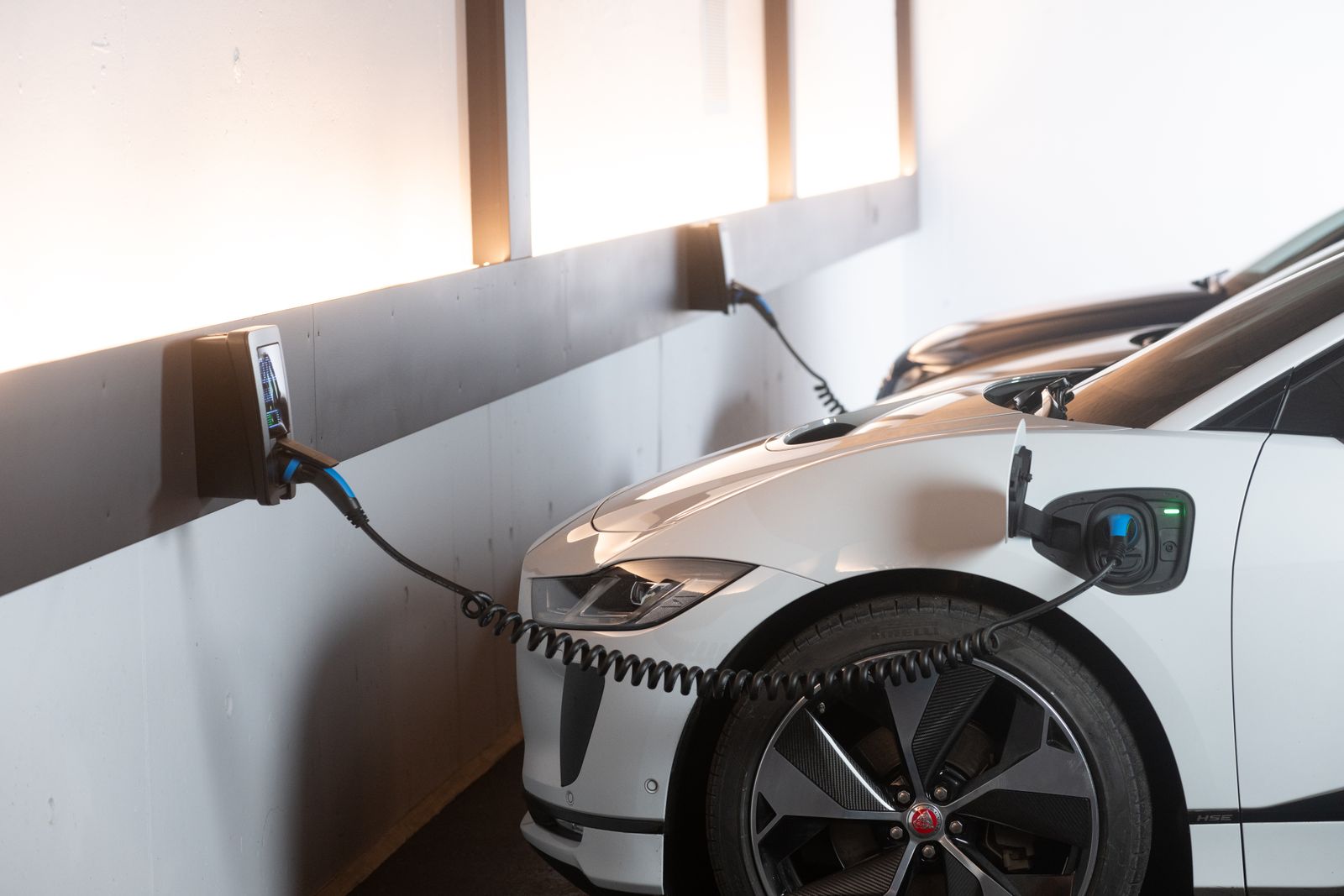
EV charger installation
Level 2 at 48 A continuous means 11.5 kW and a 60 A circuit. We do the load calculation before we quote the conduit.
- Charger power
- 7.7 kW at 32 A, 9.6 kW at 40 A, 11.5 kW at 48 A
- Breaker required
- 40 A, 50 A or 60 A
- Typical install
- $1,350 to $2,600
 EV chargers
How we think about it
EV chargers, in plain terms
A Level 2 charger is a continuous load, so the branch circuit is sized at 125 percent of the charger's rating. A 48 A charger therefore needs a 60 A breaker and 6 AWG copper. At 240 volts that is 11.5 kW of power draw; a car taking 40 kWh overnight will sit on it for about three and a half hours.
The question is never whether we can mount the unit. It is whether the service can carry it. We run the existing-dwelling load calculation in NEC 220.83: 100 percent of the first 8 kVA of general load, 40 percent of the remainder, plus 100 percent of the larger of heating or air conditioning, then add the charger. If the result exceeds the service rating, the answer is a load management device, a smaller charger setting, or a service upgrade, in that order of cost.
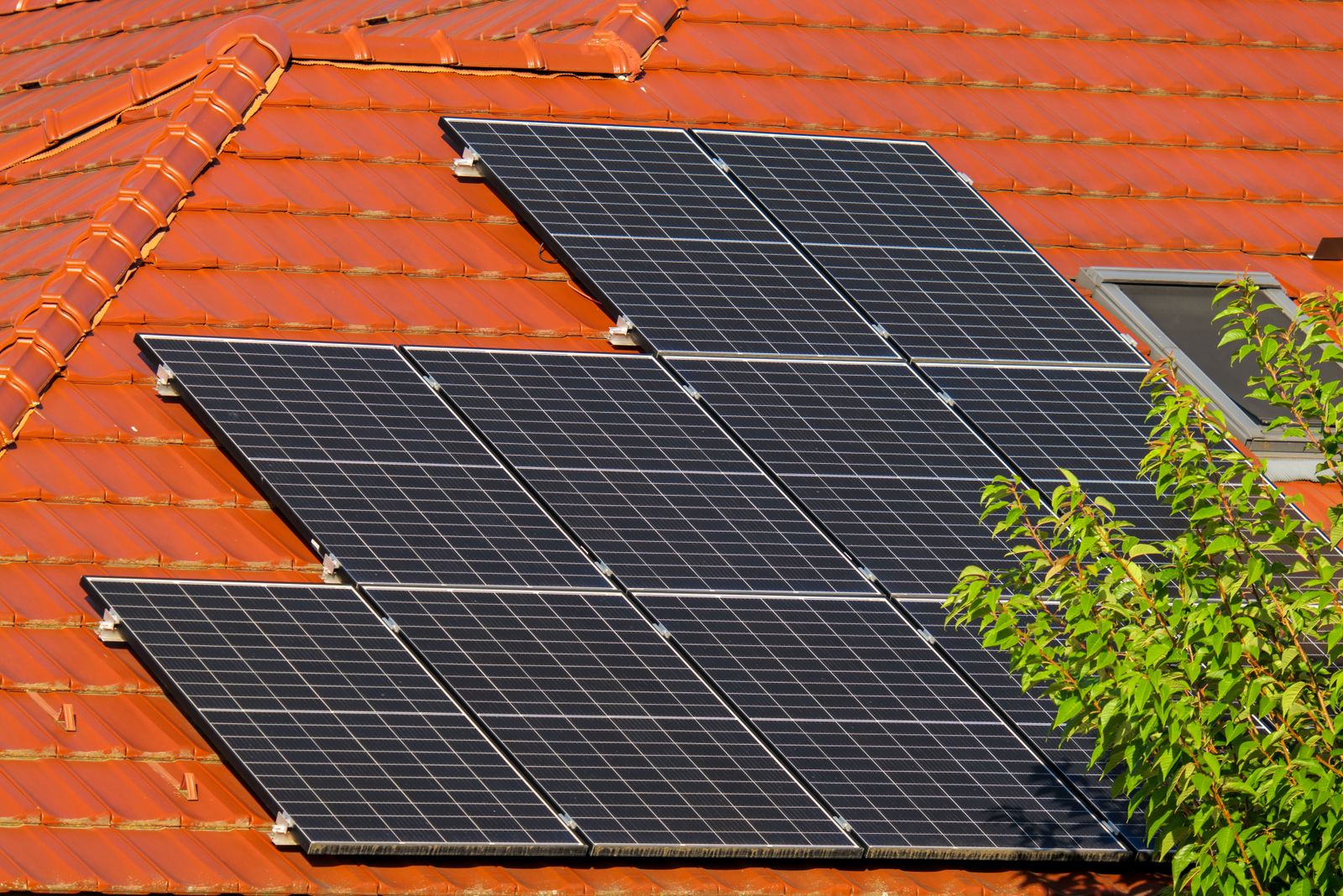
If you also have solar, the 120 percent busbar rule in NEC 705.12 applies at the same panel. On a 200 A busbar with a 200 A main, the total backfeed from PV is capped at 40 A, which is about 7.7 kW AC of inverter. We check both calculations together, because doing them separately is how people end up with a second panel they did not budget for.
On the quote, not in a change order
What is included
- NEC 220.83 existing dwelling load calculation, written out
- Service panel and busbar capacity check, including PV backfeed under NEC 705.12
- Hardwired Level 2 unit at 32, 40 or 48 A, or a NEMA 14-50 receptacle with GFCI protection
- 6 AWG copper for 48 A circuits, sized for the actual run length and voltage drop
- Conduit run, garage or exterior siting, outdoor rated enclosure where needed
- Load management device where the service is tight, so no panel upgrade is needed
- Permit and electrical inspection
- Scheduling set to your off-peak window on the first visit
Start to finish
How the work runs
- 01
Load calculation
Before anything else. It decides whether this is a $1,400 job or a $5,200 job.
- 02
Siting
Where the car actually parks, which way the port faces, and how long the cable really needs to be.
- 03
Circuit design
Breaker, conductor size and voltage drop over the real run length. Long garage runs often need one size up.
- 04
Install and inspect
Half a day for most jobs. Permit and inspection included.
- 05
Set the schedule
We set the charge window to your off-peak hours on the day, and show you how to change it.
Why it is worth doing
Three things you get that a cheaper quote will not give you
- 01
No surprise panel upgrade
The calculation happens before the quote, so the price you see is the price of the job.
- 02
Load management instead of steel
A device that sheds the charger when the dryer runs is often a fifth of the cost of a service upgrade.
- 03
Solar aware
We check the busbar against the PV backfeed at the same time, so today's charger does not block tomorrow's array.
Asked on nearly every visit
Questions about this work
More on the questions page, or call the shop and ask a person.
Usually not. A 32 A charger delivers 7.7 kW, which adds roughly 25 miles of range an hour. Unless you are driving 200 miles a day, 32 A on a 40 A circuit charges everything overnight and is far easier on an older service.
NEC 705.12 limits the sum of the main breaker and any PV backfeed breaker to 120 percent of the busbar rating. On a 200 A bus with a 200 A main, that leaves 40 A for solar. It is the single most common reason a solar design changes late.
Yes, with paired units that split the available current, or with sequential charging. Two independent 48 A circuits on a 200 A service is usually not happening.
Slightly, but a NEMA 14-50 receptacle used daily at 40 A is a known failure point unless it is an industrial-grade device, and it caps you at 40 A. We hardwire unless you specifically want portability.
Usually bought together
What else this touches
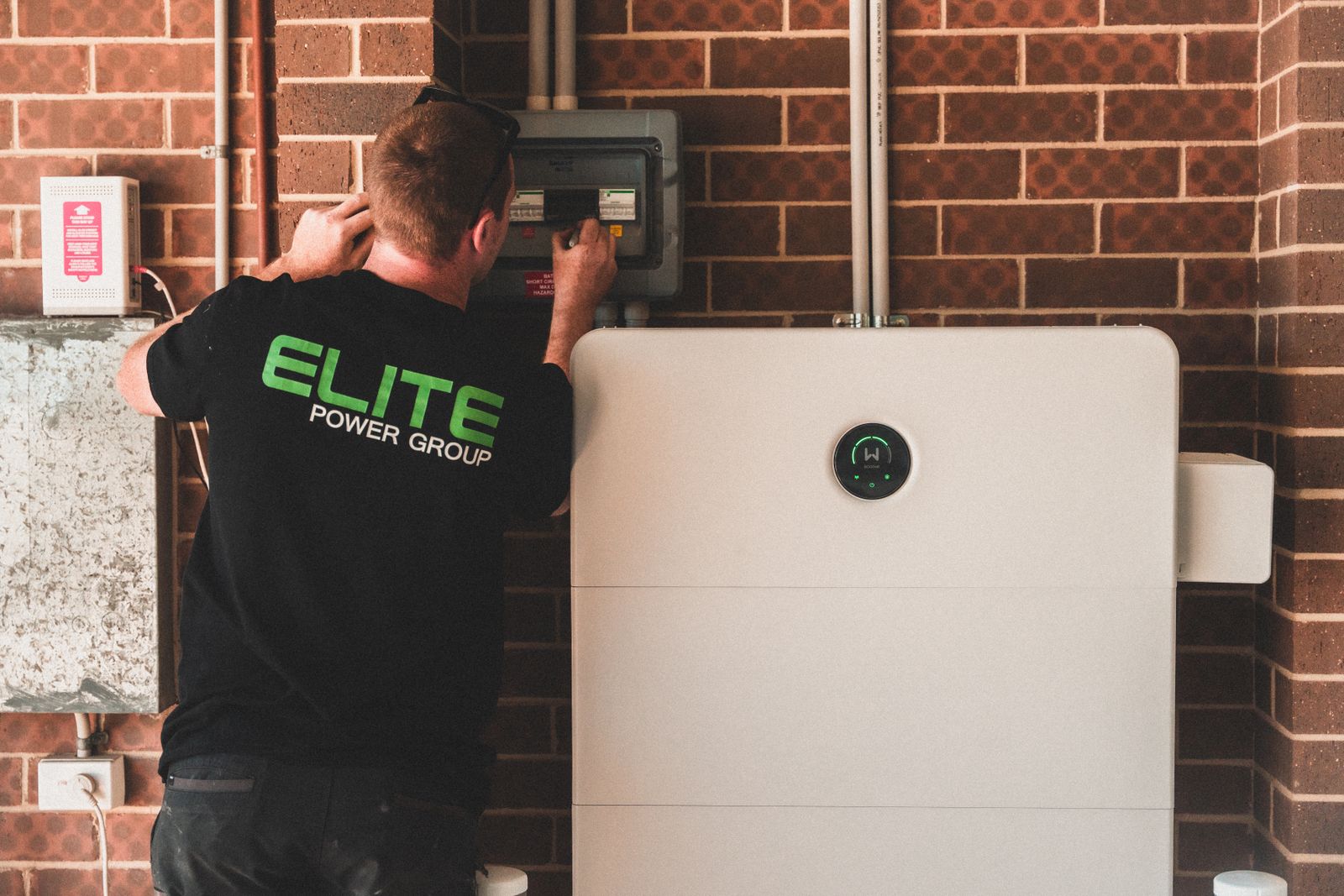
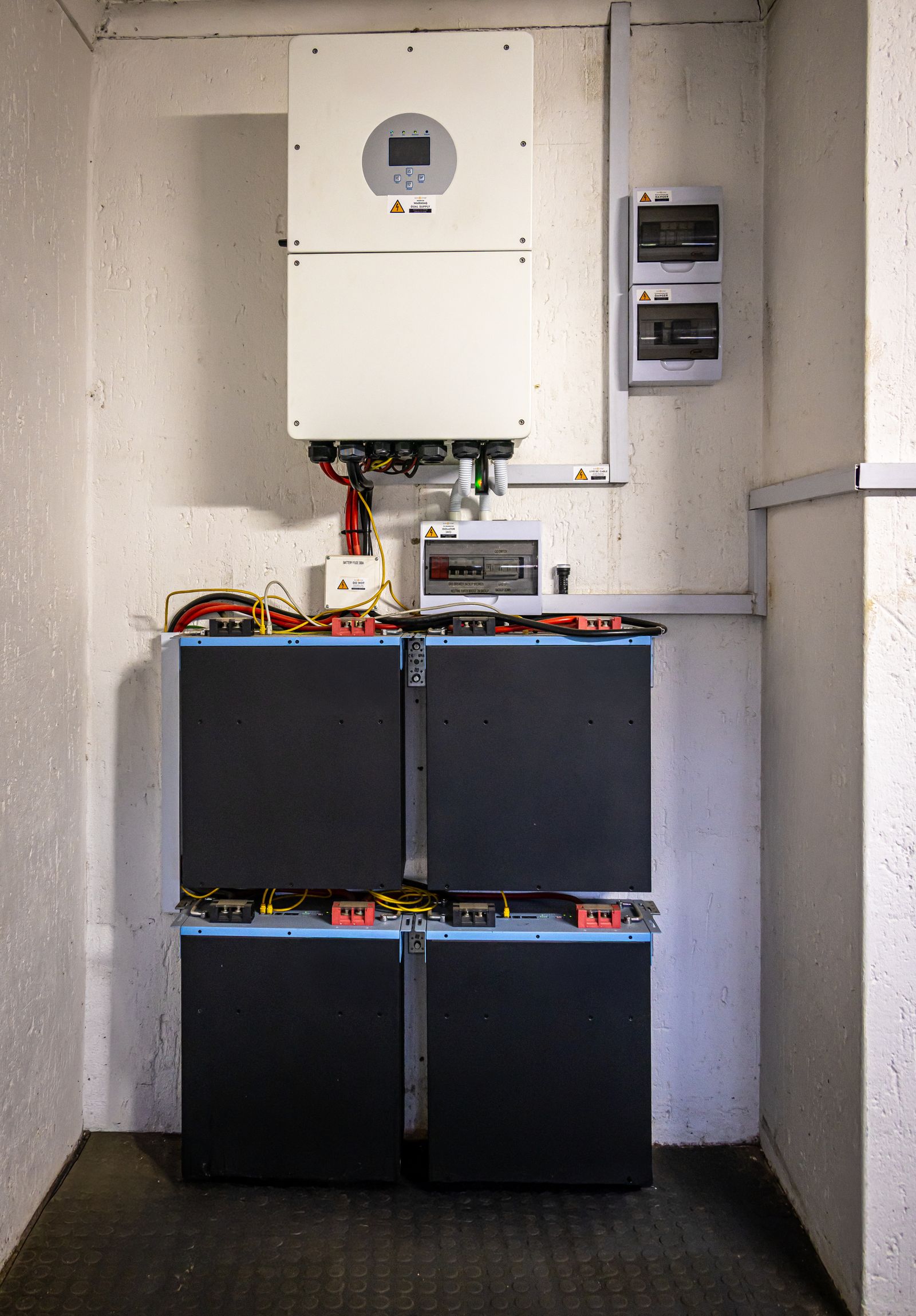
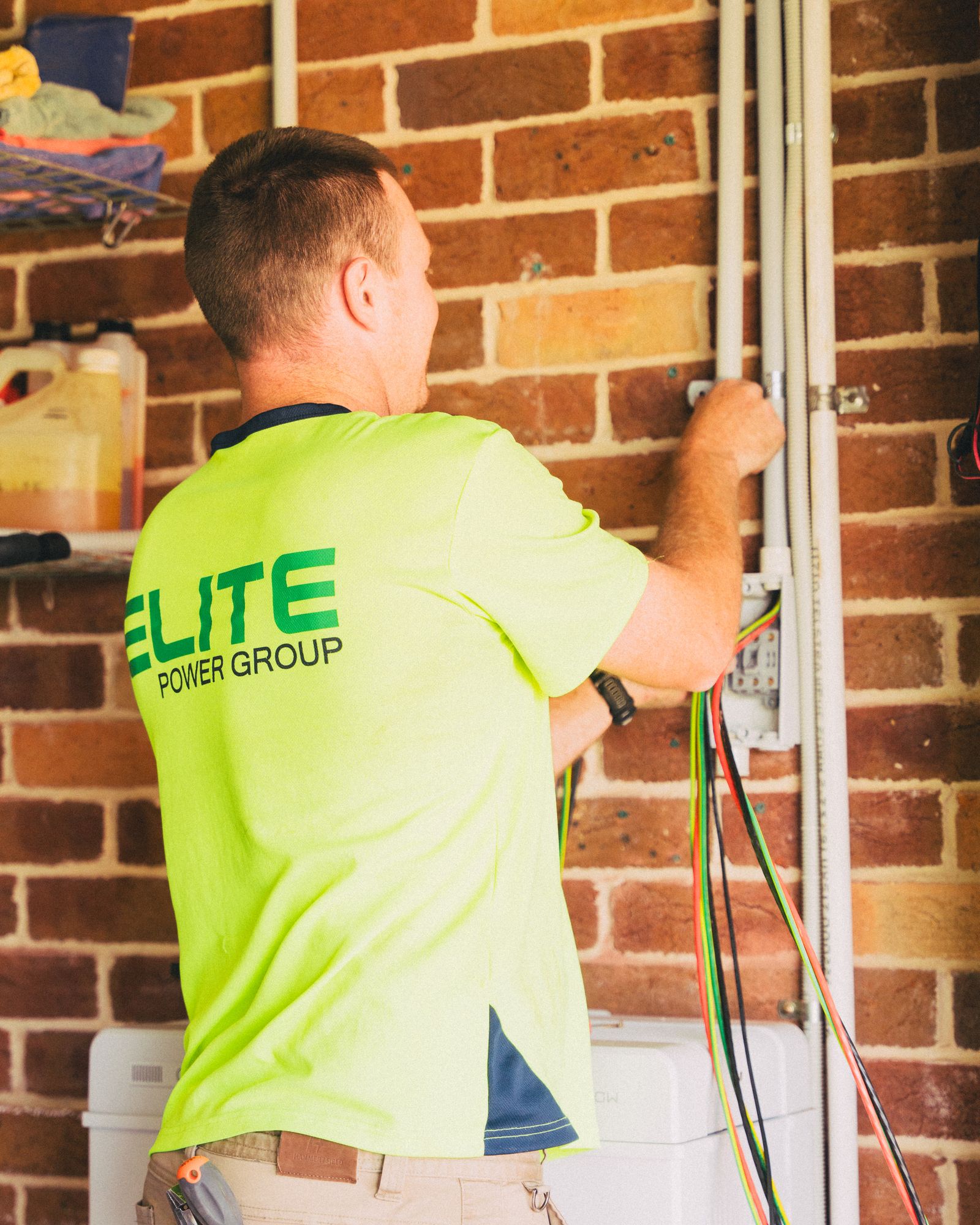 Battery storageUsable kWh for outages and for shifting load out of the 3 to 7 pm peak, wired to a protected loads panel you actually chose.
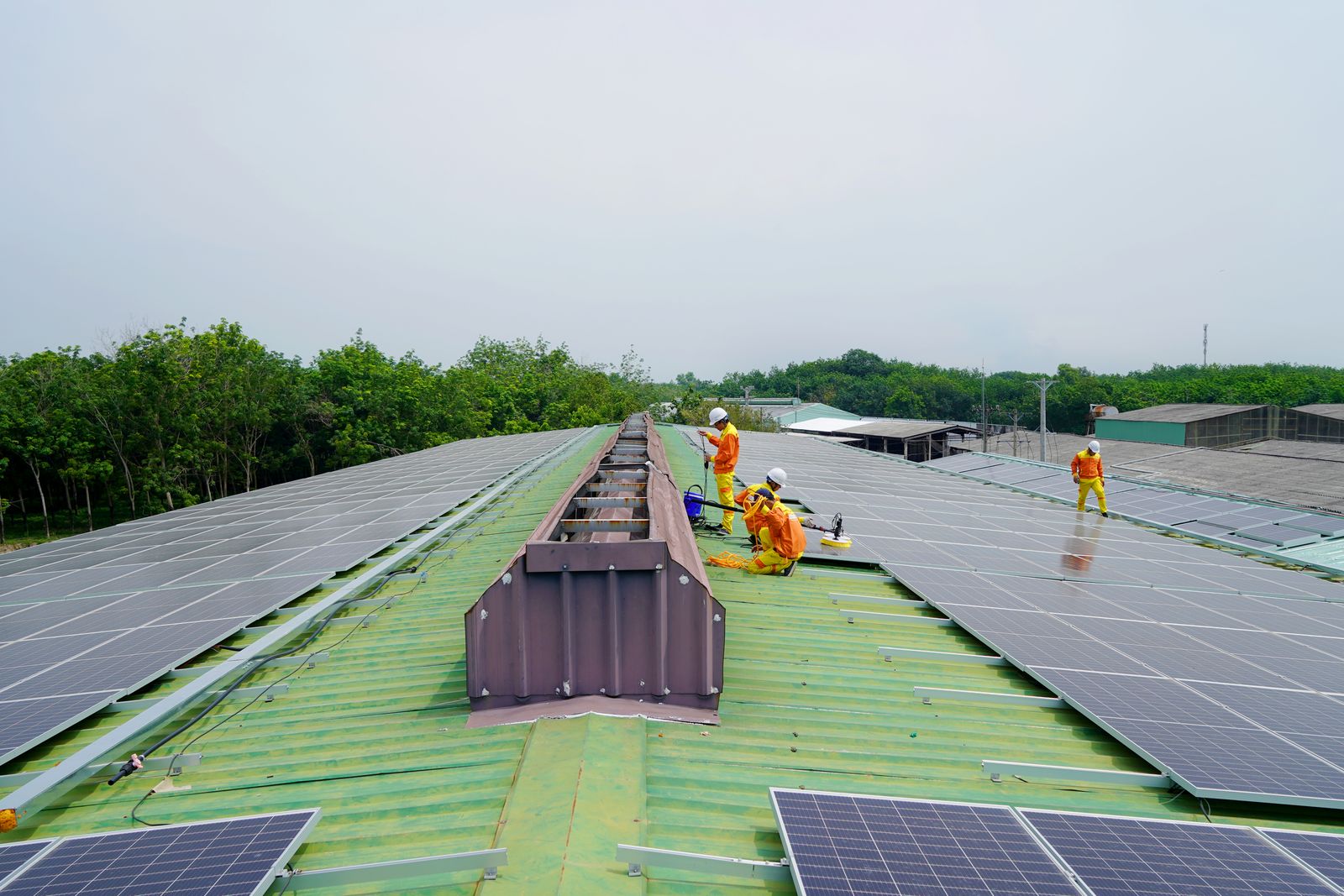
 Rooftop solarArrays between 5 and 12 kW DC, sized from twelve months of your own kWh rather than from your roof area.
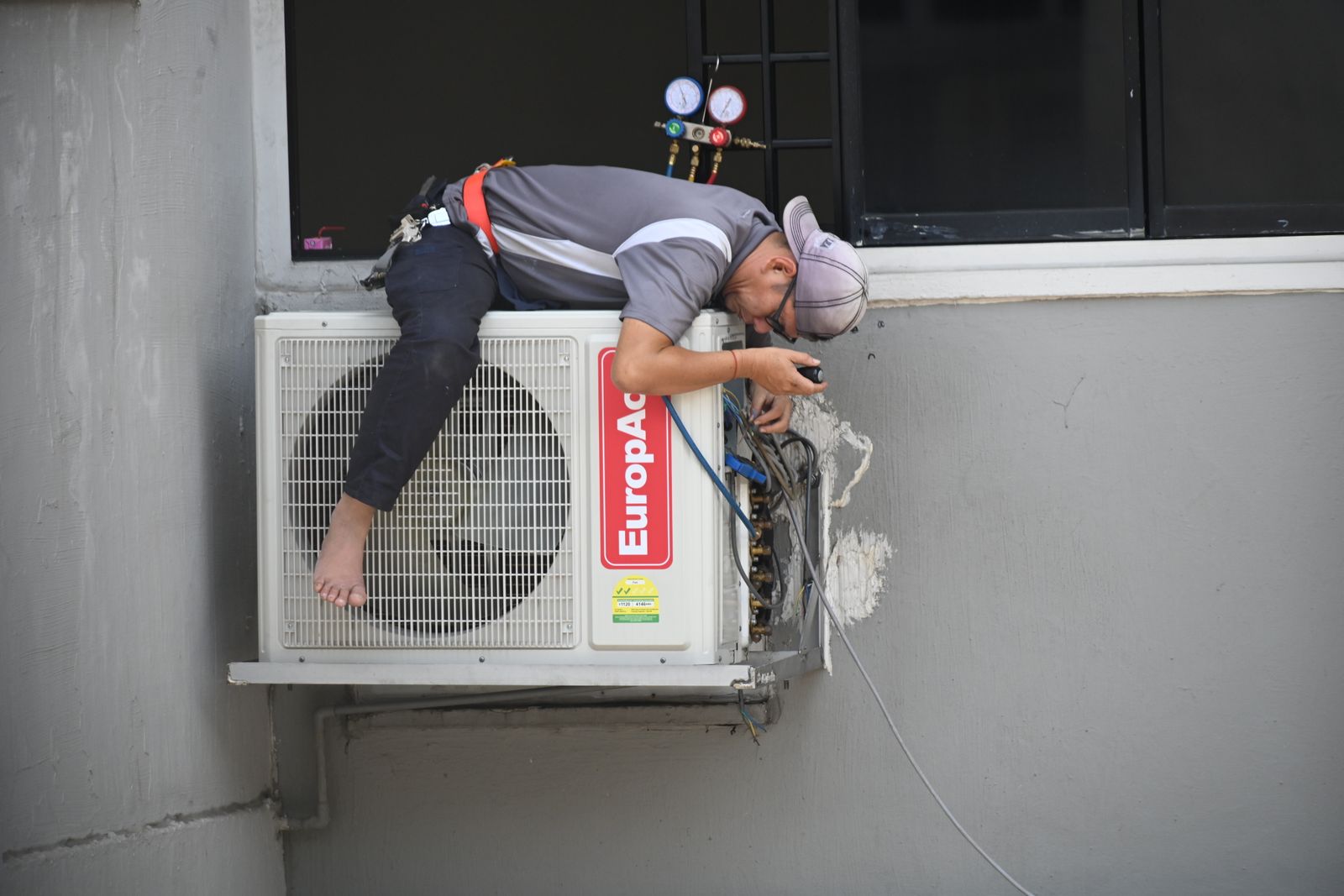 Heat pumpsSized from a real Manual J and specified at 5 degrees F, not at the 47 degree rating on the brochure.
Start with the test, not the quote
Three to four hours on site, a written report in five business days, and a recommendation that might well be to spend less than you planned.