



Solutions
Home battery storage
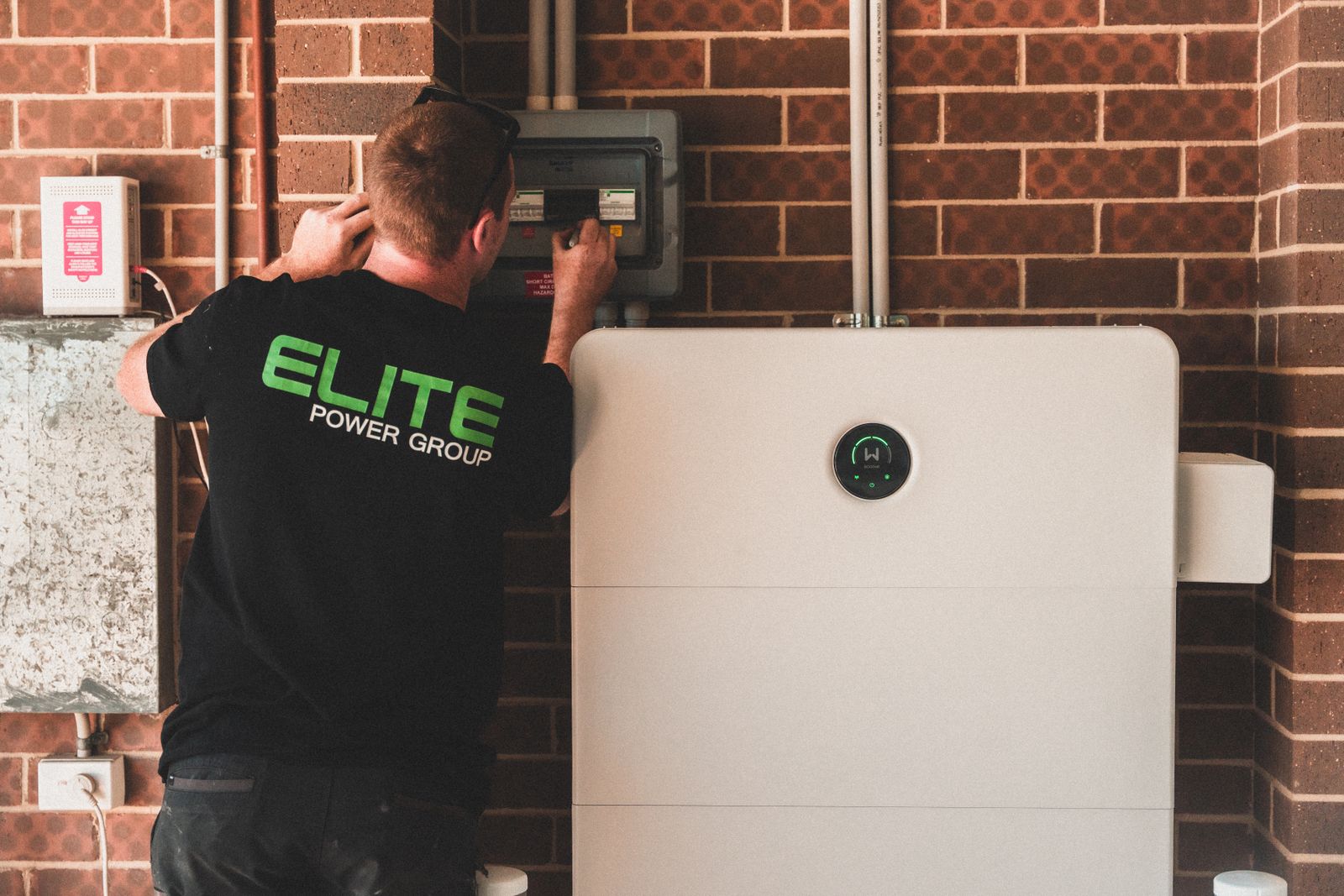
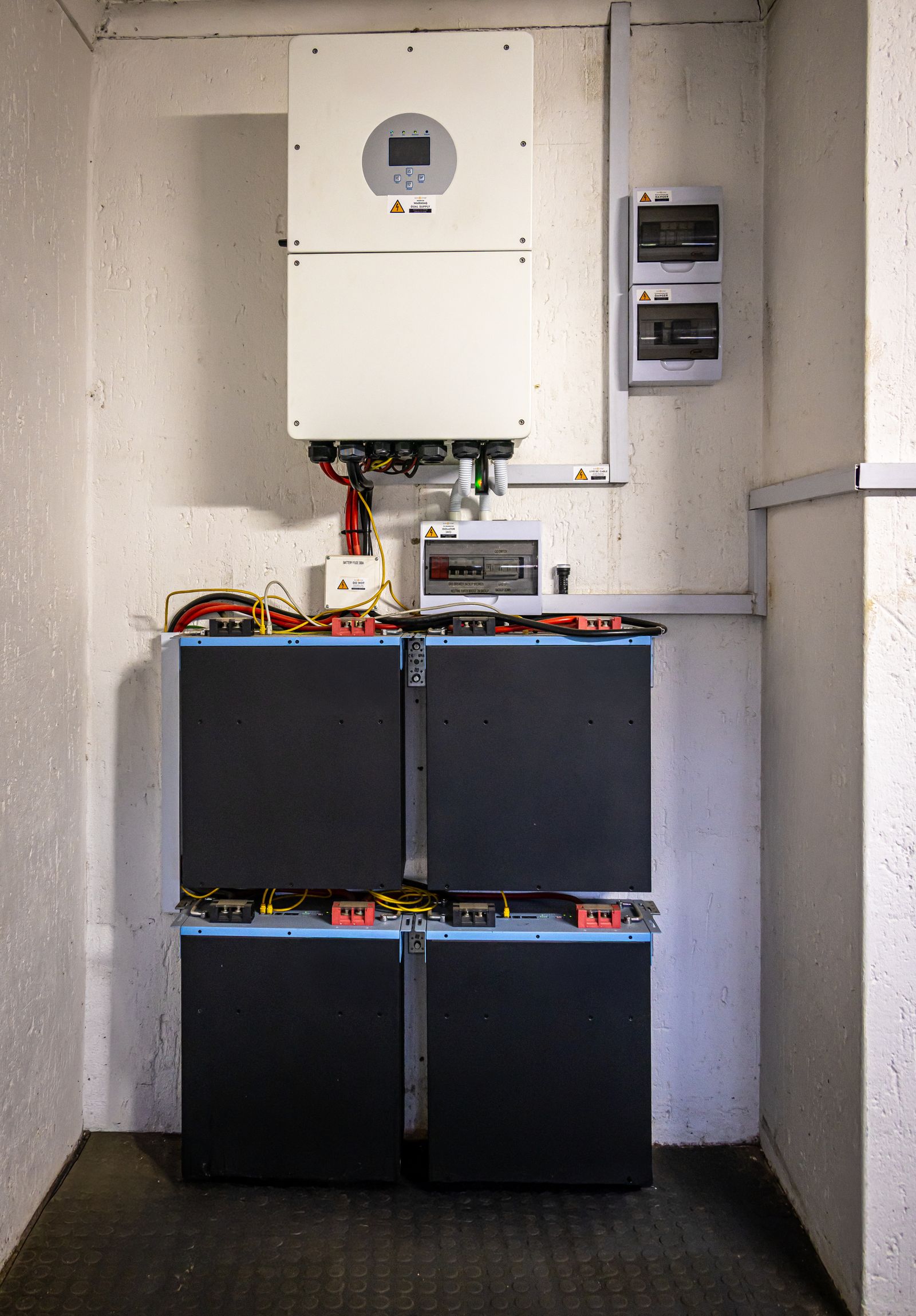
Usable kWh for outages and for shifting load out of the 3 to 7 pm peak, wired to a protected loads panel you actually chose.
- Usable energy per module
- 13.5 kWh
- Continuous power
- 5.0 kW per module
- Surge
- 10 kW for 10 seconds
 Battery storage
How we think about it
Battery storage, in plain terms
A battery is specified in two numbers that people constantly confuse. Usable capacity is energy, measured in kWh: how much you can take out before it is empty. Continuous output is power, measured in kW: how much you can draw at one instant. A 13.5 kWh, 5 kW unit will run a 1.2 kW fridge for most of a day, and will refuse to start a 5 ton air conditioner that wants 9 kW of inrush.
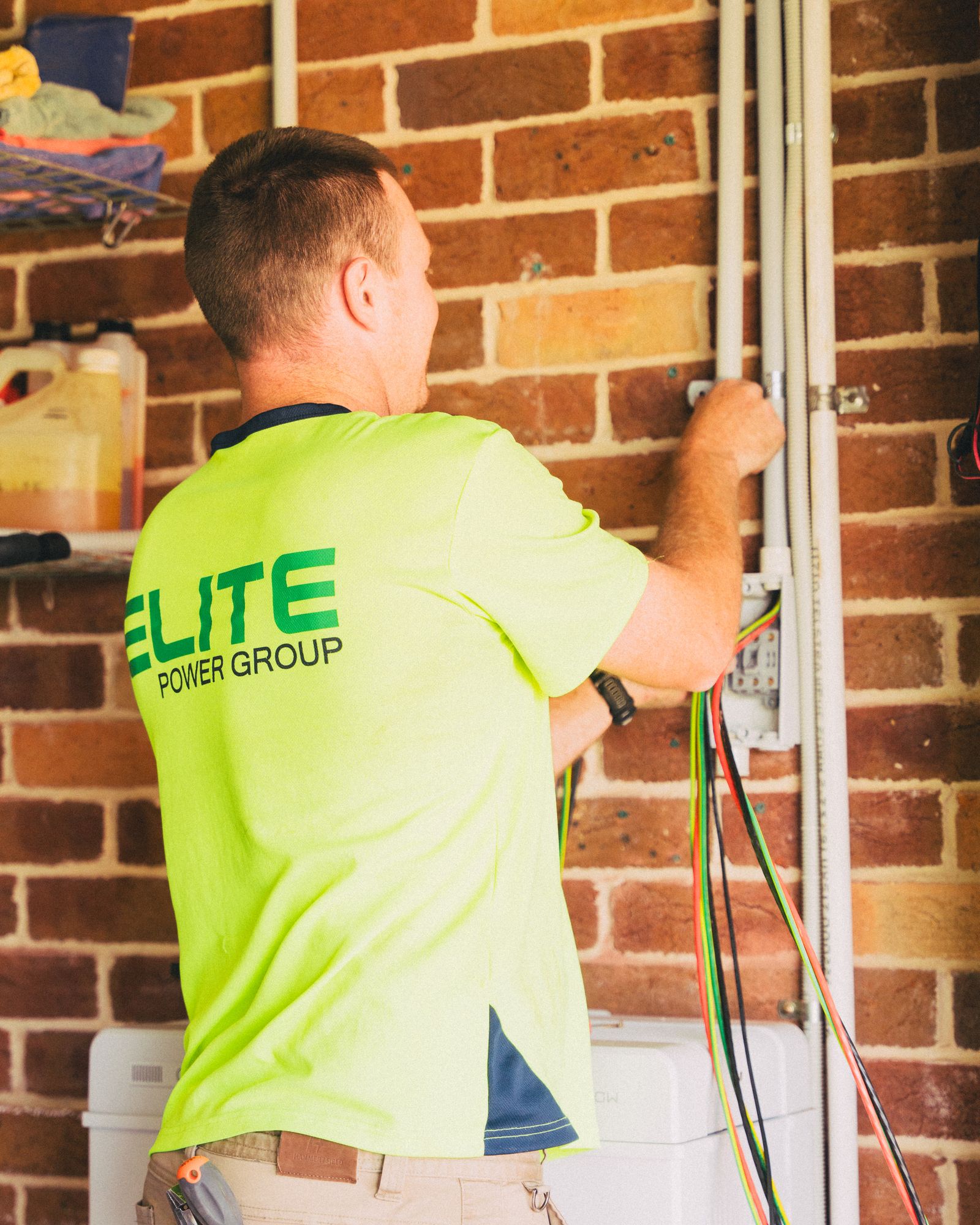
So the design starts with a circuit list, not a brochure. We walk the panel with you and decide what goes onto the protected loads subpanel: refrigeration, the furnace blower or air handler, well pump, a few lighting and receptacle circuits, the internet rack, and in Boulder usually the radon fan. Electric range, dryer and central air normally stay on the unprotected side unless you are buying two units.
The second use is arbitrage. On a time-of-use rate, energy you charge at the off-peak price and discharge during the 3 to 7 pm weekday peak is worth the difference, less round-trip losses of around 10 percent. Whether that pays depends entirely on the spread, and we will show you the arithmetic before you buy.
On the quote, not in a change order
What is included
- Circuit-by-circuit load list with running watts, starting surge watts and hours per day
- Protected loads subpanel, labelled, with the critical circuits moved across
- Battery, hybrid or AC-coupled inverter and automatic transfer equipment
- Storage listed to UL 9540 and UL 9540A thermal runaway testing
- Garage or utility wall siting that respects the manufacturer's clearances and Boulder's ambient range
- Time-of-use schedule programmed to the current rate windows
- Outage test on commissioning day, with you standing there watching the lights
Start to finish
How the work runs
- 01
Load list
We measure or look up running and surge watts for every circuit you want covered, and multiply by realistic run hours.
- 02
Size the energy and the power
Daily kWh sets the number of modules. The largest simultaneous kW and the biggest motor surge set the inverter class.
- 03
Decide the arbitrage case
If you are on a time-of-use rate we model the peak and off-peak kWh spread over a year before recommending extra capacity.
- 04
Install and transfer
Subpanel built, circuits moved, battery mounted, transfer equipment commissioned and load tested.
- 05
Prove it
We open the main breaker and time the changeover, then leave you the runtime figures for the circuits you chose.
Why it is worth doing
Three things you get that a cheaper quote will not give you
- 01
Outages that are boring
Changeover is under 30 milliseconds on the protected panel, so the router does not reboot and the furnace keeps running.
- 02
Peak shifting that is priced
We put a dollar figure on the shifted kWh before you buy, and tell you plainly when the spread does not justify it.
- 03
Room to grow
Modules stack. We leave conduit and wall space for a second unit rather than assuming you will never want one.
Specification we work to
| Chemistry | Lithium iron phosphate (LFP), cobalt free |
|---|---|
| Cycle life | 6,000 plus cycles to 70 percent retained capacity (sample) |
| Depth of discharge | 100 percent of usable rating |
| Operating range | -4 to 122 degrees F, derated below 32 |
| Listings | UL 9540 system, UL 9540A cell and module level |
Asked on nearly every visit
Questions about this work
More on the questions page, or call the shop and ask a person.
One 13.5 kWh, 5 kW module will not. It will run a well-chosen protected panel for 12 to 30 hours depending on the season. Whole-house backup with electric heat and central air usually means two or three modules plus a soft starter on the compressor.
Yes, and on a time-of-use rate it can still make sense: charge overnight at the off-peak price, discharge through the weekday peak. It does not qualify for the same incentives as a solar-charged battery in every programme, so check the current rules with a tax professional.
Manufacturers warrant 10 years or a stated energy throughput, whichever comes first, to around 70 percent of original usable kWh. LFP cells in a conditioned garage in Boulder age slowly; cells in an uninsulated shed do not.
With the right hybrid inverter, yes. Without it, the array shuts down with the grid and the battery is on its own. We tell you which you are buying.
Usually bought together
What else this touches
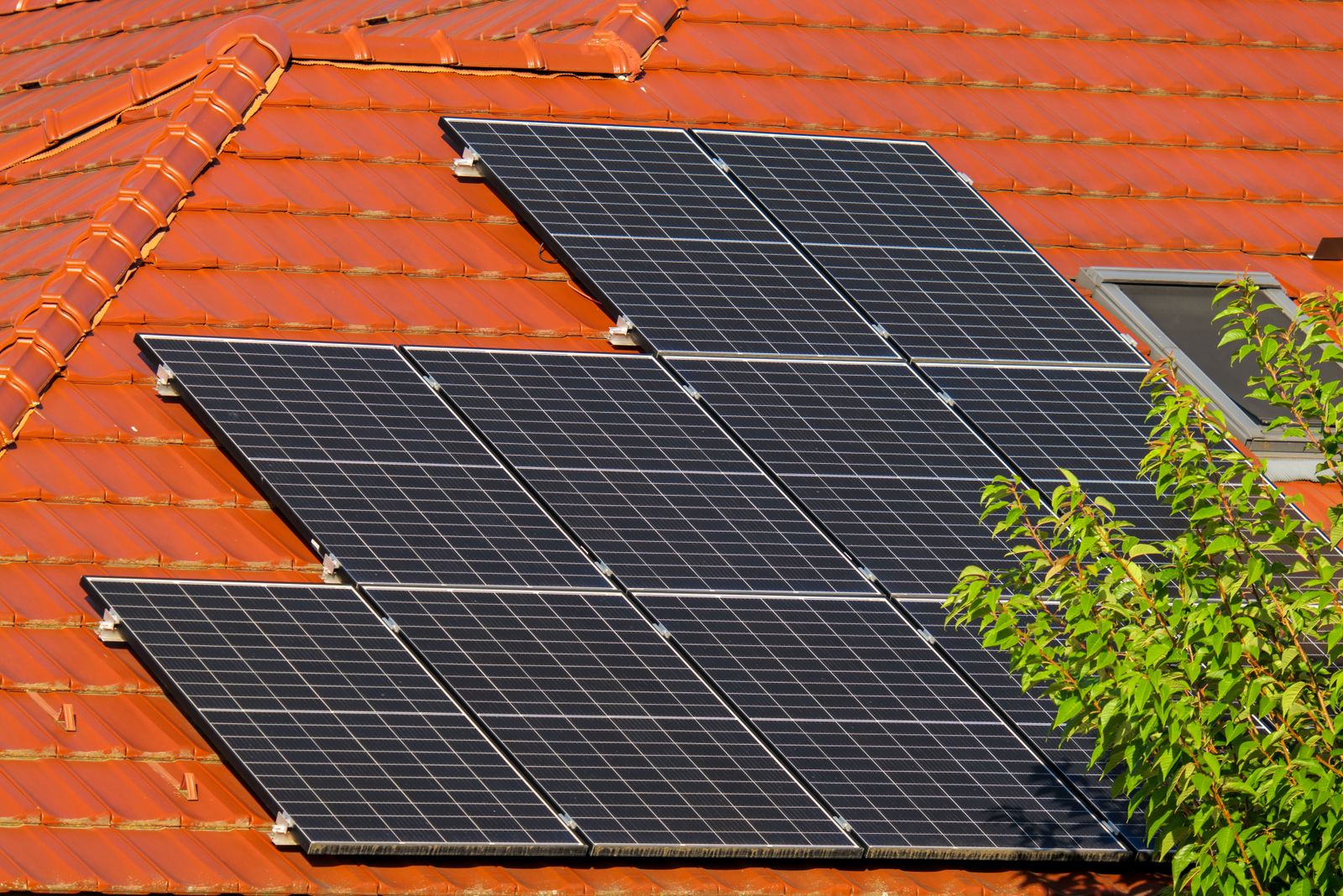
 Rooftop solarArrays between 5 and 12 kW DC, sized from twelve months of your own kWh rather than from your roof area.
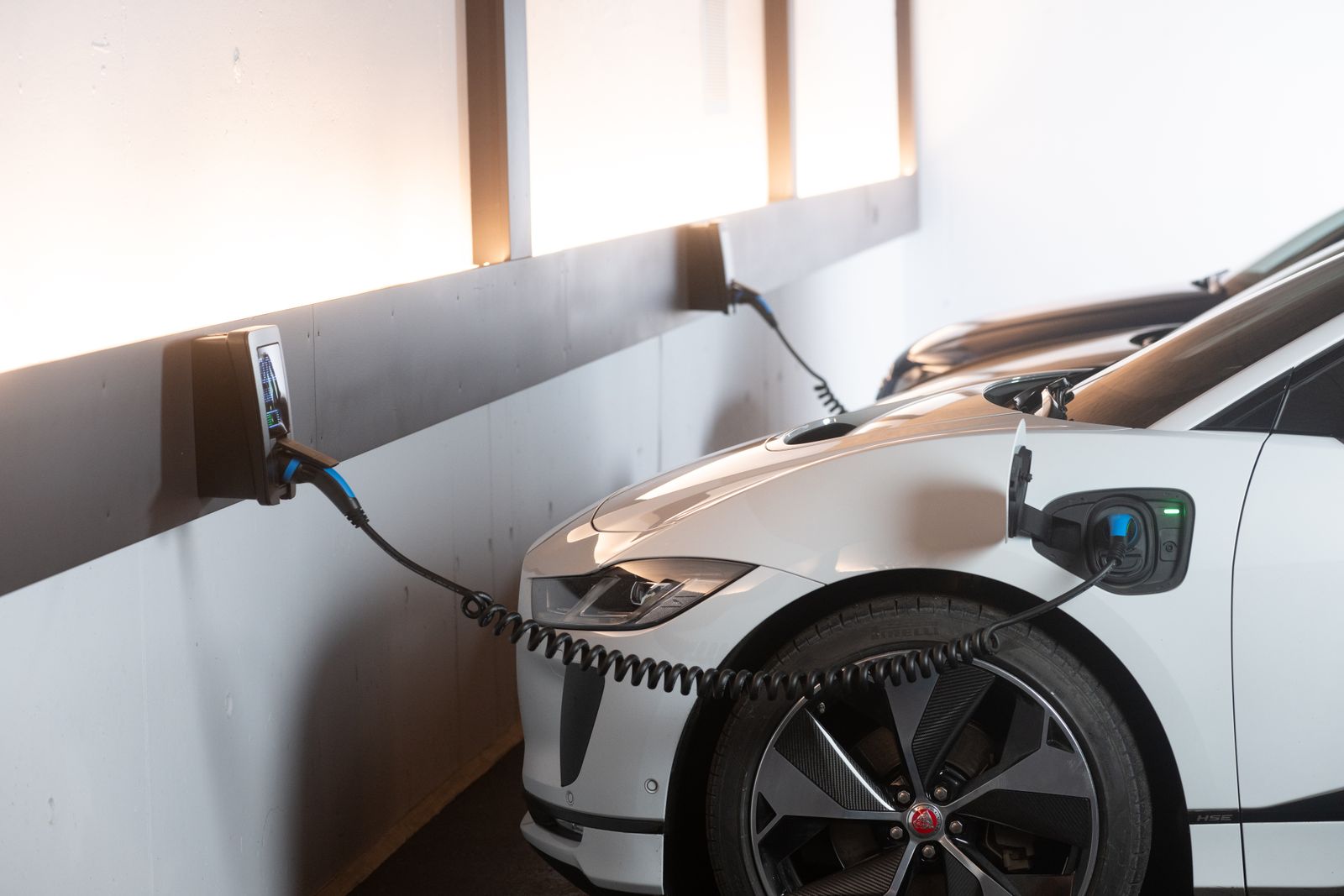
 EV chargersLevel 2 at 48 A continuous means 11.5 kW and a 60 A circuit. We do the load calculation before we quote the conduit.
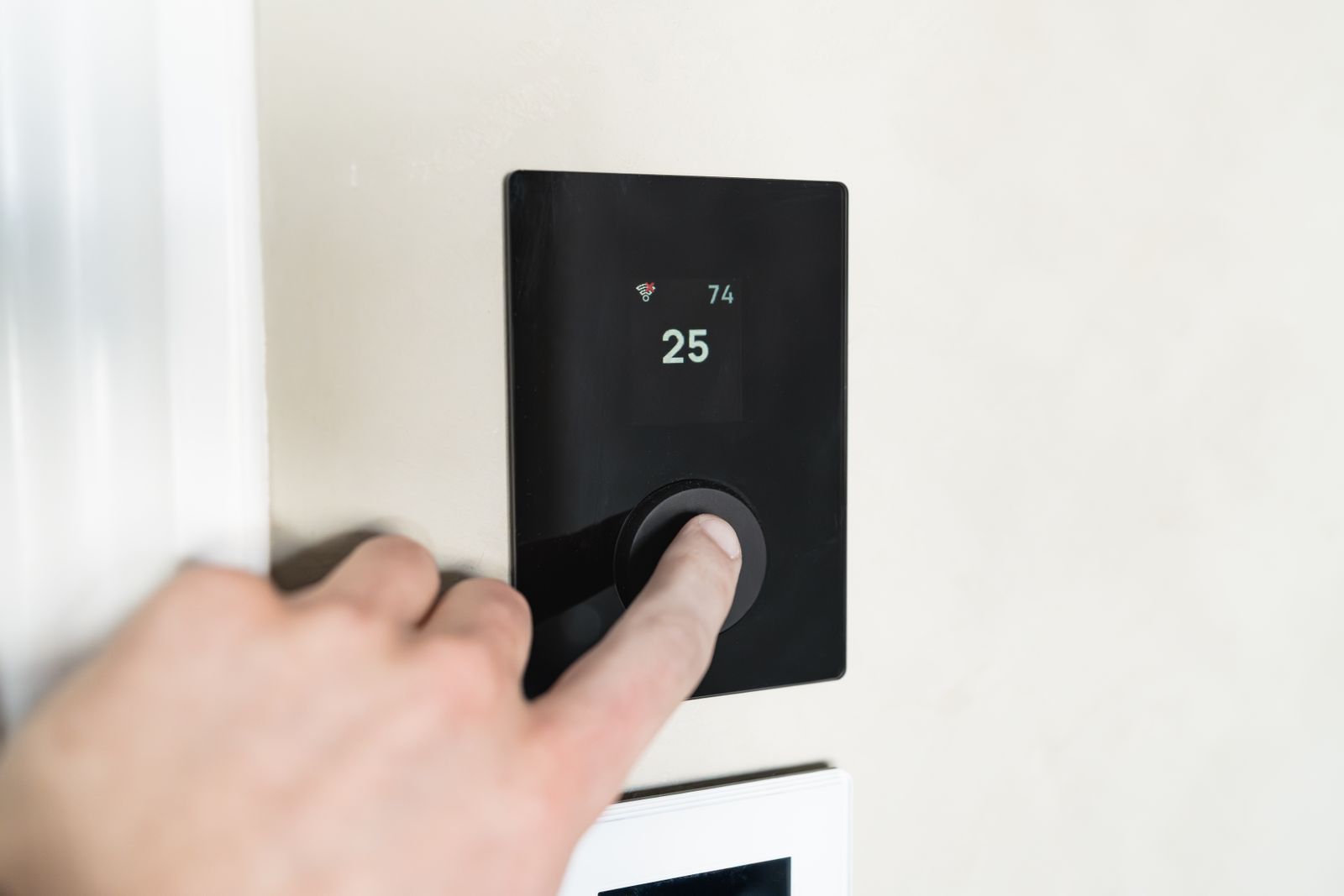 Monitoring and maintenanceModule-level production watched against the model, so a 9 percent shortfall gets a phone call rather than a shrug.
Start with the test, not the quote
Three to four hours on site, a written report in five business days, and a recommendation that might well be to spend less than you planned.