








Twelve stages, seven to twelve weeks
From the first phone call to permission to operate
Most of the calendar is permitting and interconnection, not install days. Knowing that up front is the difference between a project that feels slow and one that feels normal.
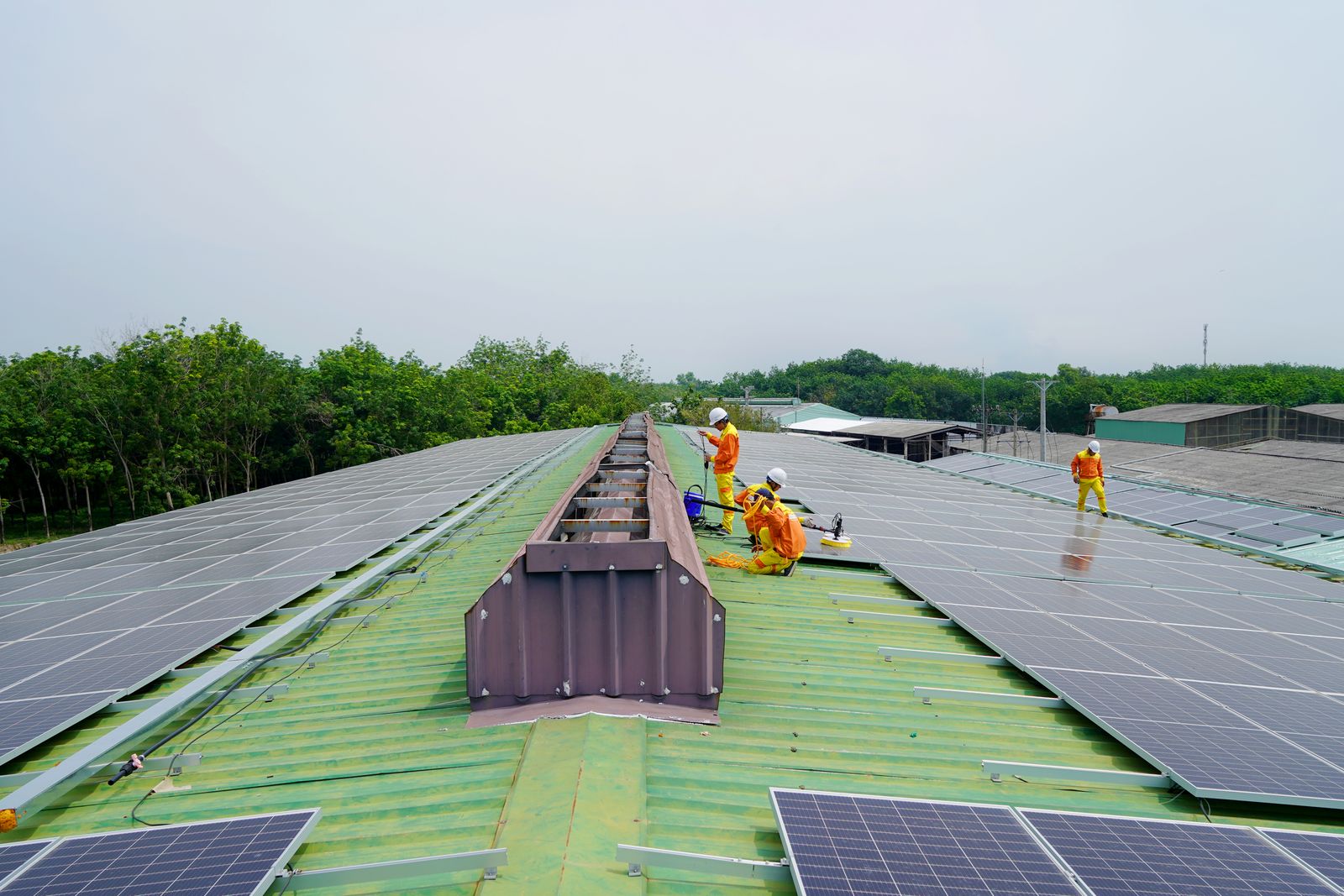 Install day is one to two of those twelve stages
Every stage, with a duration
What happens, when, and how long it takes
- 01
Phone call
15 minutesWhat the house is, what the bills look like, what is about to change. We will tell you on this call if we think you should be talking to somebody else.
- 02
Whole-home energy audit
3 to 4 hours on siteBlower door, thermal sweep, duct and combustion testing, and a room-by-room Manual J. $395, credited against any install over $6,000.
- 03
Report
5 business daysMeasured readings, costed measures ranked by payback, and rebate paperwork started. Yours to keep whatever you decide.
- 04
Roof and electrical survey
2 to 3 hours, if solar is in scopePer-plane azimuth, pitch and shade profile, structural check, NEC 220.83 load calculation and the 120 percent busbar check.
- 05
Proposal
3 to 5 business daysArray in kW DC, inverter in kW AC, modelled production in kWh for all three topologies, installed price, and the incentives with their kind stated.
- 06
Contract and deposit
When you are readyNo expiring discounts, no evening closes. The price is the price next week.
- 07
Permit and interconnection
3 to 6 weeksDrawings to the city or county, interconnection application to the utility. The longest and least interesting part.
- 08
Envelope and mechanical work
1 to 4 daysAir sealing, insulation, heat pump, water heater, charger. Sequenced so the array crew is not working around anybody.
- 09
Array install
1 to 2 daysRacking, modules, conduit, inverter, rapid shutdown, labelling. Commissioning readings recorded.
- 10
Inspection and permission to operate
1 to 3 weeksElectrical inspection, then the utility meter exchange and written permission to operate. Only then does the system legally export.
- 11
Handover
1 hourMonitoring account in your name, the app walked through, the commissioning numbers explained, and the warranty documents handed over on paper.
- 12
First year
MonthlyVariance report against the model. If the gap goes past 8 percent for two consecutive months, we call you.
A reasonable alternative
Doing it in phases is not a failure
Envelope in year one, mechanicals in year two, array in year three. It uses annual incentive caps twice, spreads the cost, and lets each stage inform the next. The heat pump gets sized against a sealed house; the array gets sized against an electrified one.
We sequence phased work so nothing has to be undone. Conduit is run before the drywall goes back, the roof penetrations are planned before the reroof, and the panel is sized for what is coming rather than for what is there.
- 01Year one. Audit, air sealing, insulation, re-test. Two to three weeks.
- 02Year two. Heat pump and water heater, sized off the new load.
- 03Year three. Array and any charger, sized off the electrified house.
Timings and sequencing
Questions about the process
Seven to twelve weeks from signature to permission to operate for a typical rooftop system. Envelope-only work is much faster: usually two to three weeks from report to finished.
Permitting and utility interconnection, which are outside our control. Longmont's municipal process usually runs a week or two shorter than Xcel territory.
Yes, and it is often the right call. Envelope in year one, mechanicals in year two, array in year three lets you use annual incentive caps twice and spreads the cost. We sequence it so nothing has to be redone.
Our own crew. We do not subcontract installation. The roofing trade on a combined reroof is also ours.
The monitoring plan compares actual against modelled kWh monthly. If first-year output falls more than 10 percent below model for reasons within our control, we make it right (sample terms).

Start with the test, not the quote
Three to four hours on site, a written report in five business days, and a recommendation that might well be to spend less than you planned.