



Tonnes, not vibes
Where your household's carbon actually comes from
Three inputs, one honest answer, and a ranked list of what each upgrade removes. The order matters more than the total: sealing first means a smaller heat pump, which means a smaller array.
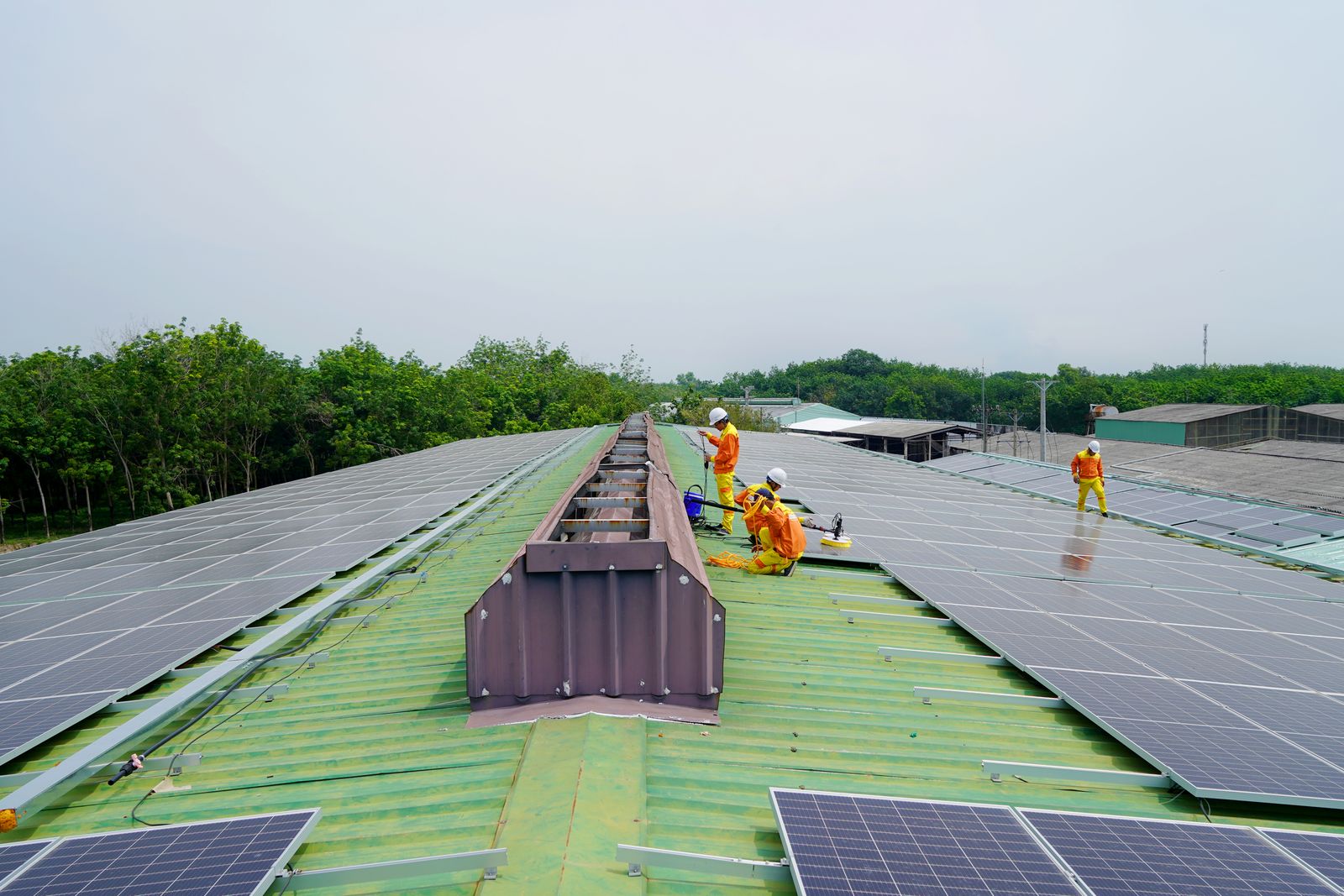
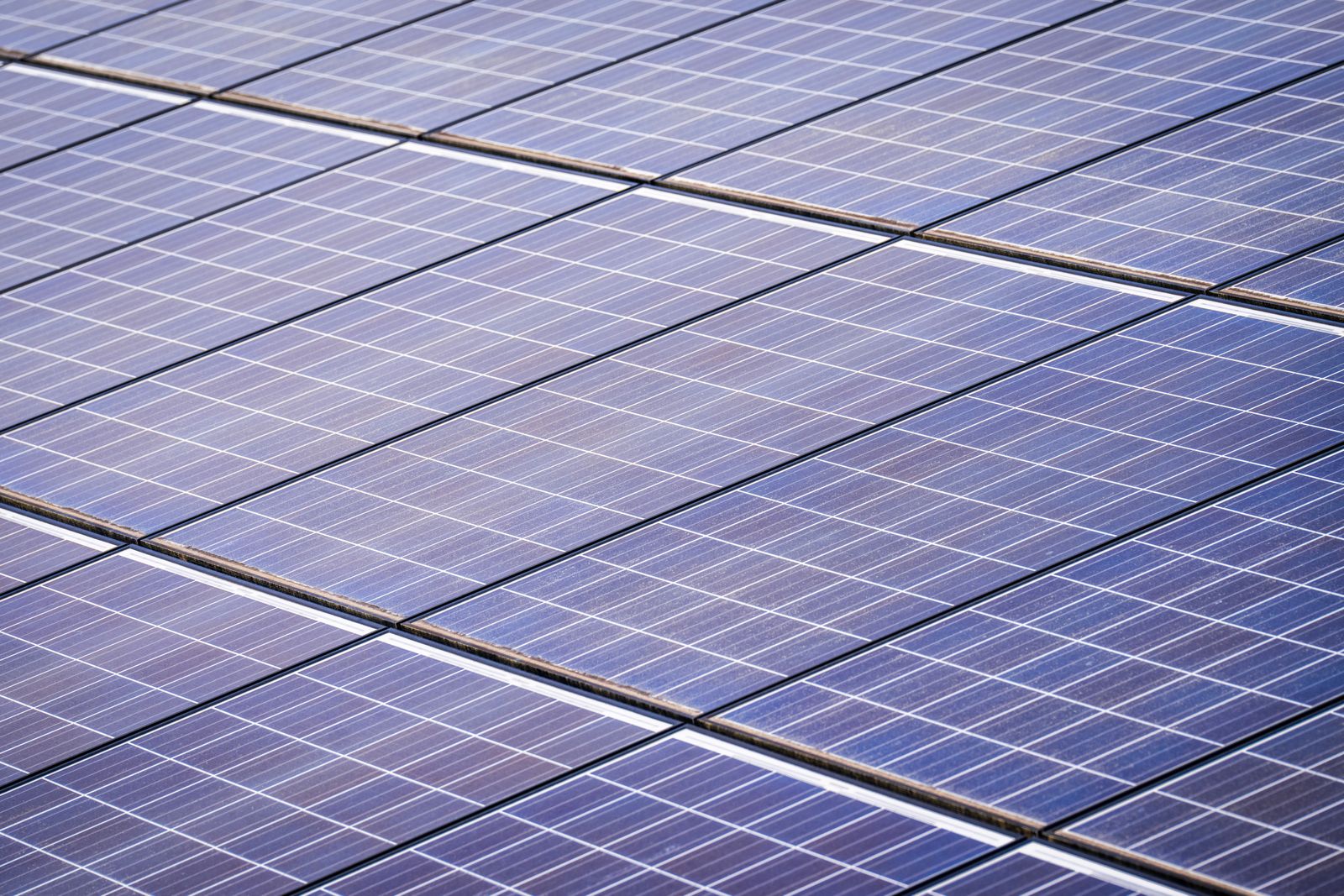 Longmont, 7.9 kW DC
Your own numbers
Electricity, gas and driving, in tonnes a year
Defaults are a typical Boulder County household of three. Replace them with your own and everything below updates.
Last twelve months
On the bill, or your average monthly kWh multiplied by twelve.
Heating, hot water and cooking if any of them run on gas.
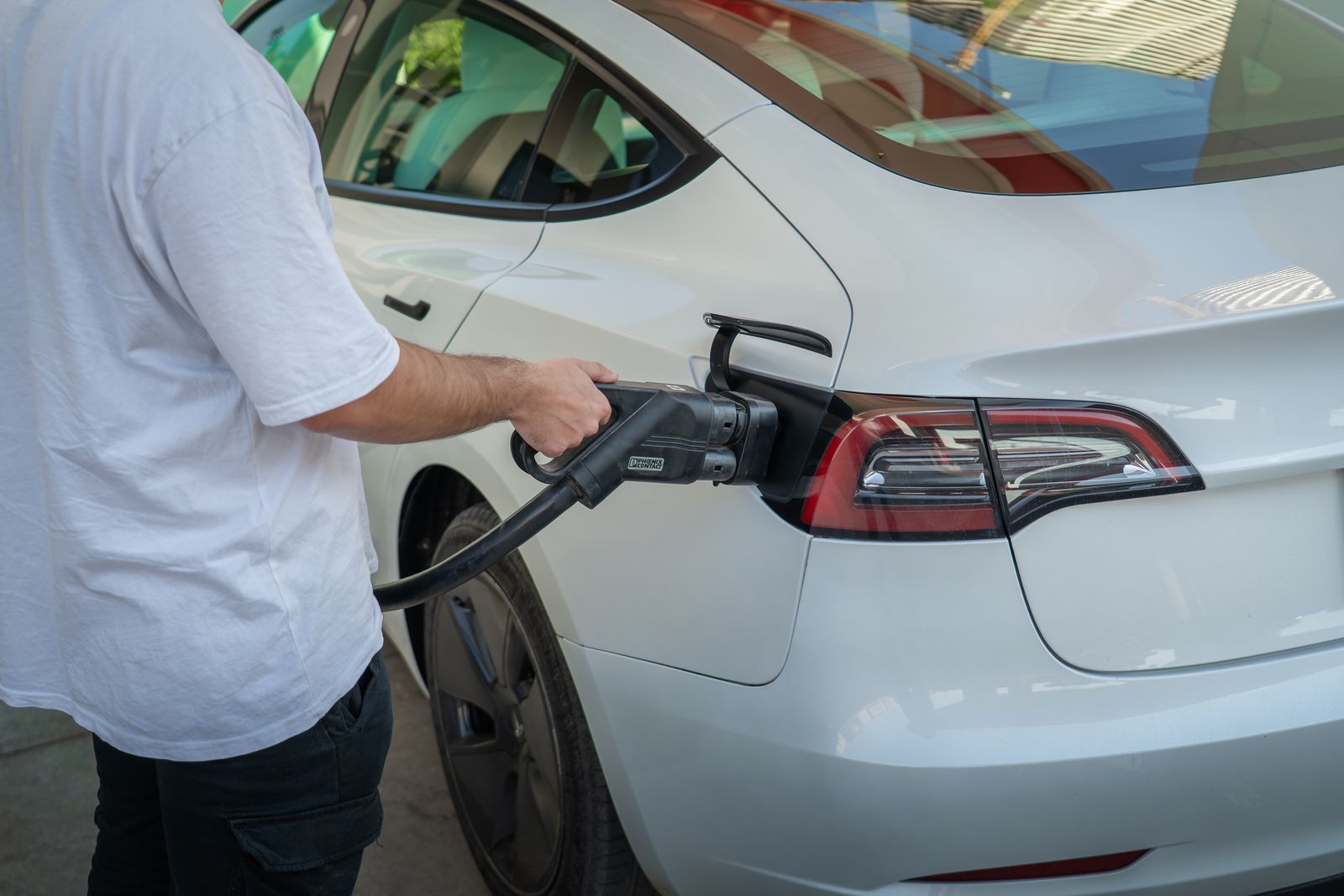
At about 0.30 kWh a mile, already counted in your electricity if you charge at home.
Where it comes from
What each upgrade removes
- Air sealing and R-60, cutting heating by 22 percent
- 0.0 t
- An array covering 90 percent of today's electricity
- 0.0 t
- A cold-climate heat pump replacing the gas furnace
- 0.0 t
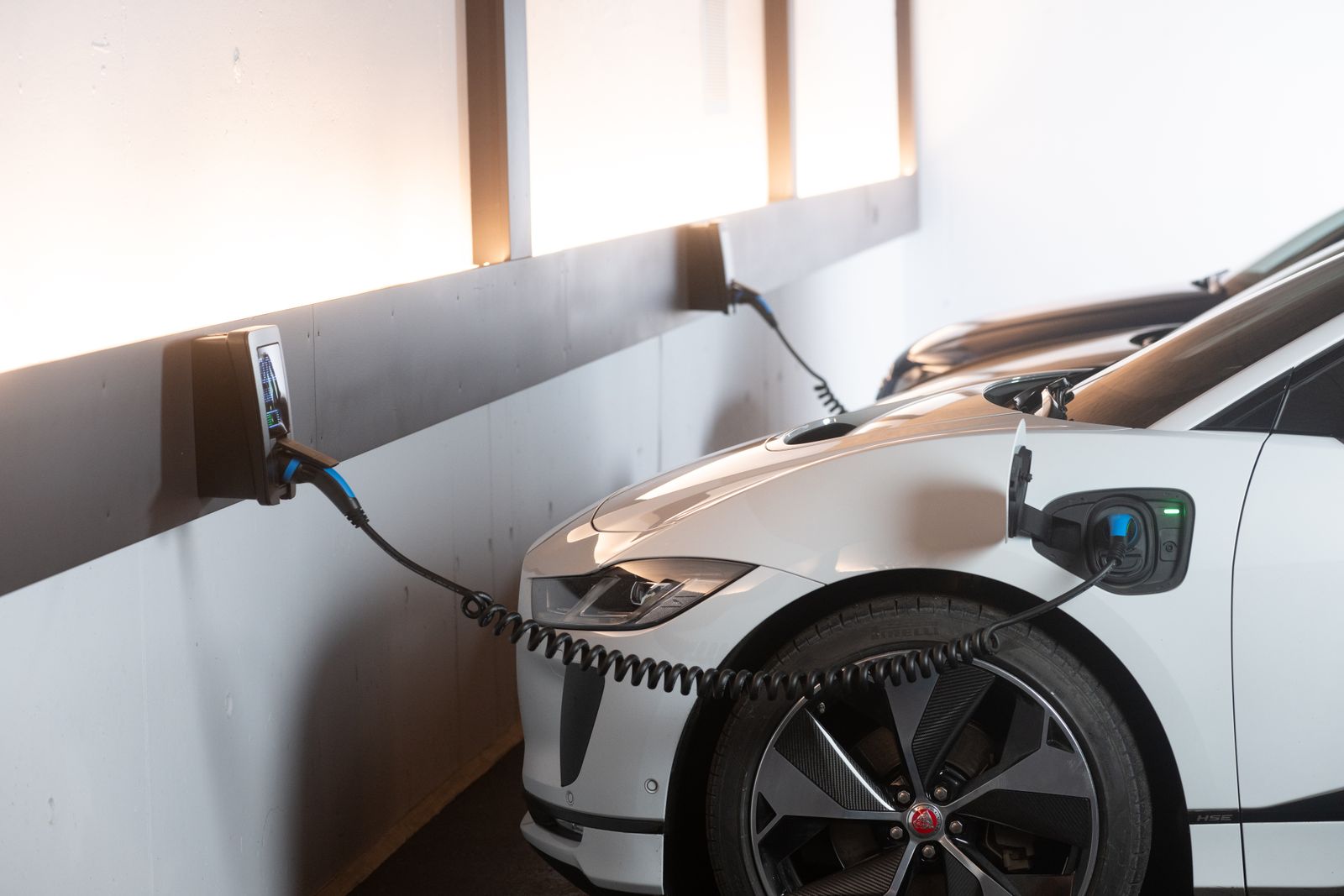
- Swapping the petrol miles for electric miles
- 0.0 t
- All four, in the order we would do them
- 0.0 t
Sample emission factors: 0.62 lb CO2e per kWh for the Colorado grid, 11.7 lb per therm of natural gas, 19.6 lb per gallon of petrol. Heat pump modelled at a seasonal coefficient of performance of 2.6, electric driving at 0.30 kWh a mile. The grid factor falls every year, which makes electrification look better over time and is not modelled here.
Every factor, printed
What the model assumes, so you can argue with it
| Source | Factor used | Why it is not the whole story |
|---|---|---|
| Colorado grid electricity | 0.62 lb CO2e per kWh | Falling year on year as coal retires. A kWh saved today is worth more carbon than the same kWh in 2035. |
| Natural gas | 11.7 lb CO2e per therm | Combustion only. Upstream methane leakage is real and is not counted here, which makes gas look better than it is. |
| Petrol | 19.6 lb CO2 per gallon | Tailpipe only. Refining and distribution add roughly another 20 percent. |
| Heat pump, seasonal COP 2.6 | About 11.3 kWh per therm displaced | A therm is 29.3 kWh of heat. At a coefficient of performance of 2.6 you buy 11.3 kWh of electricity to deliver it. |
| Electric driving | 0.30 kWh per mile | Mid-size car, mixed Front Range driving. Winter and mountain passes push it up. |
Why the sequence matters
Four upgrades, one right order
Do the heat pump before the air sealing and you buy a machine a size too big, run it harder than it needs to work, and lock in the extra kWh for fifteen years. Do the array before the heat pump and you size it against a gas-heated house, then find it covers half of what the electrified house uses.
The order below is not an upsell path. It is the order that removes the most carbon per dollar, and at each step it makes the next step smaller.
- 01Seal and insulate. Cuts the heating load, so everything after it is smaller.
- 02Electrify the heat. Now a smaller heat pump covers the reduced load.
- 03Electrify the driving. Petrol carbon moves onto a meter your roof can feed.
- 04Generate. Size the array against the electrified house, not the old one.

The audit gives you these numbers for your house
Blower door, thermal scan, room-by-room load, and a costed list of measures ranked by payback. $395, credited against any install over $6,000 (sample offer).