



16 questions, four groups
The things people actually ask on the doorstep
Starting with the one that matters most and gets asked least: the difference between kW and kWh, which is the single most common source of confusion in a solar proposal.
 Most of these come up in the first ten minutes
01Sizing and production
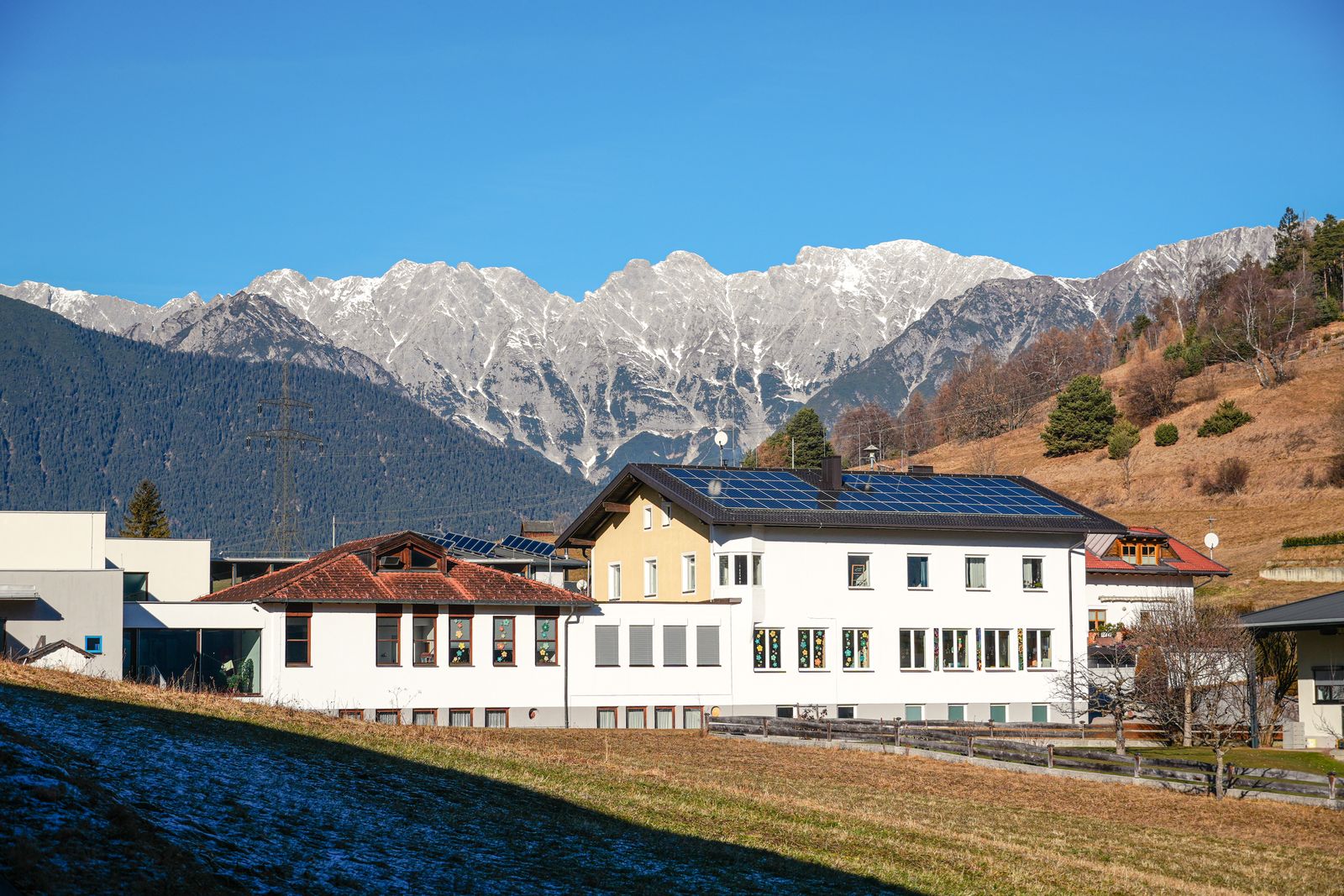
From twelve months of your own kWh, not from your roof area. We divide your annual consumption by Boulder's modelled specific yield of about 1,480 kWh per installed kW DC per year, adjust for your roof's orientation and shading, and aim to cover 85 to 95 percent of consumption.
kW is power, a rate, like the speed on a speedometer. kWh is energy, an amount, like the miles on the odometer. Your array is rated in kW DC, your inverter in kW AC, your battery in usable kWh plus continuous kW, and your utility bills you in kWh. A proposal that mixes these up is worth a very careful second read.
Because the surplus is credited at a lower value than the retail price you avoid by self-consuming, and because most utility interconnection rules cap system size against historical consumption. Oversizing buys expensive kWh you sell cheaply.
Across our installed fleet the median first-year variance is within 3 percent of model (sample figure). We publish the model, we measure the result, and the monitoring plan raises a flag if the gap exceeds 8 percent for two consecutive months.
02Roofs, shading and equipment
That is most of Boulder County. A 4:12 east or west plane produces about 84 percent of what the same plane would produce facing due south. On a time-of-use rate, the west plane is worth more than that number suggests because it generates into the expensive 3 to 7 pm window.
Only if you have shade, several small planes, or plans to expand. On a clean, unshaded, single-plane roof a plain string inverter is cheaper, simpler and just as productive. We model both and show you the difference in kWh.
More than most people expect on a plain string, and much less with module-level electronics. One module at 40 percent shade in a twelve-module string can cost the whole string over 20 percent; with microinverters the same shade costs about 4 percent.
Then reroof first. Removing and reinstalling an array to reroof underneath costs $1,800 to $3,200 (sample) plus lost production. If the covering has under eight years left we will not mount on it.
03Batteries, heat pumps and EVs
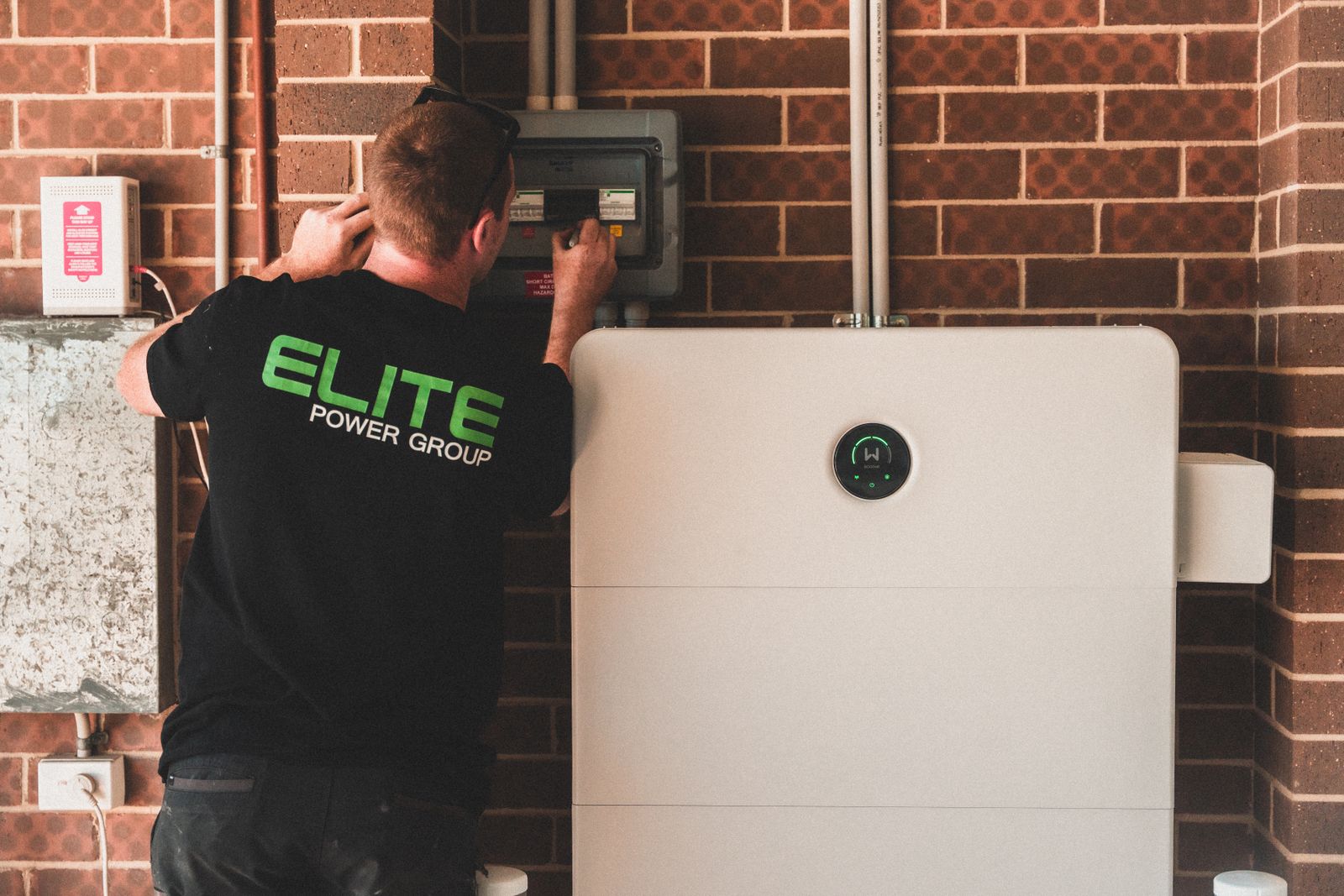
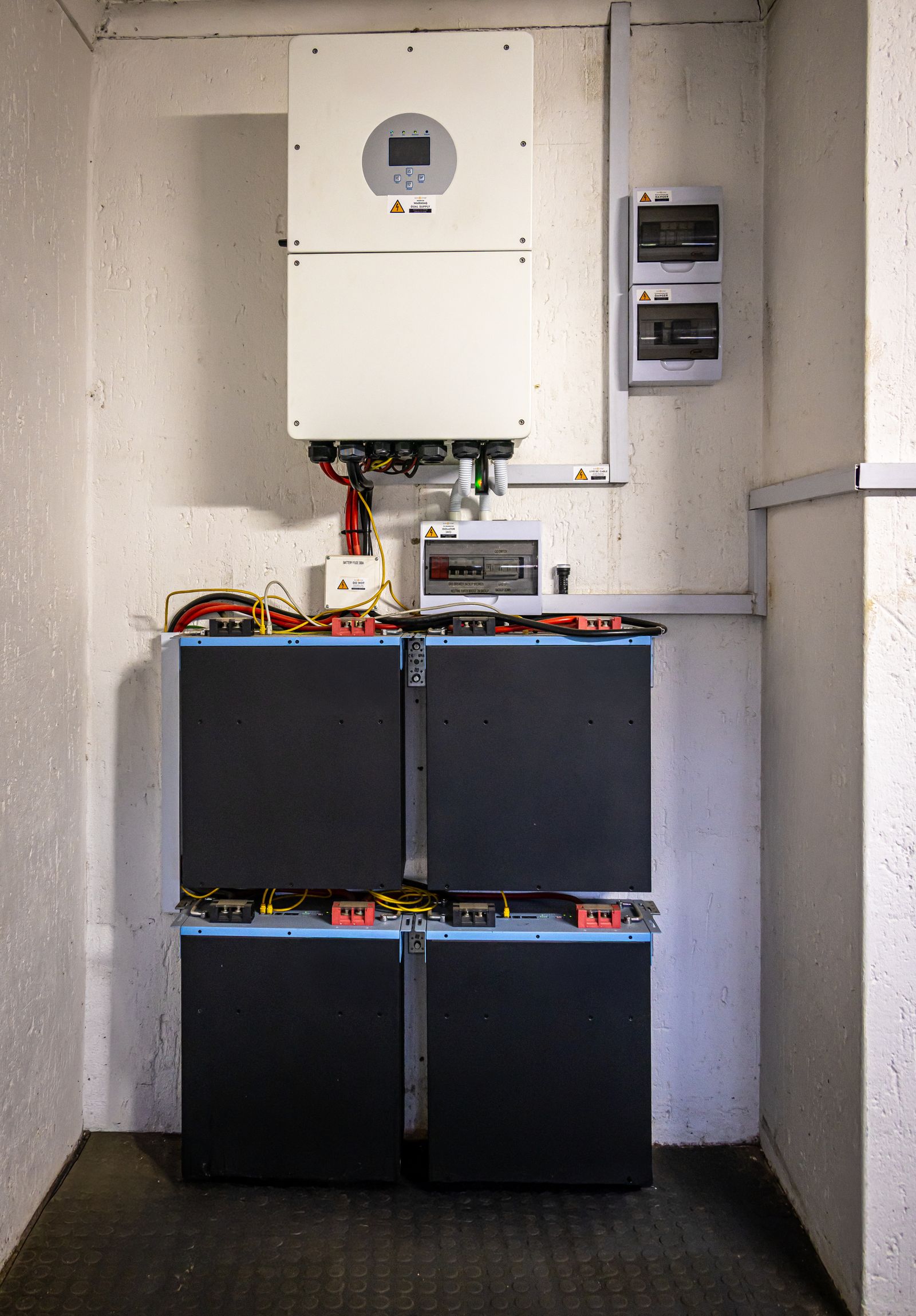
One 13.5 kWh, 5 kW module will run a well-chosen protected panel for 12 to 30 hours. It will not start a large air conditioning compressor without a soft starter, and it will not carry electric heat. Whole-house backup means two or three modules.
Cold-climate units do. The number that matters is the capacity at 5 degrees F, not the 47 degree rating on the brochure. Expect 70 to 80 percent of nameplate at 5 degrees and a coefficient of performance around 2.0, which is still twice as efficient as resistance heat.
We answer that with an NEC 220.83 load calculation before quoting, not after. If the calculation fails, a load management device is usually a fifth of the cost of a service upgrade.
Only if the busbar has room. NEC 705.12 caps the main breaker plus solar backfeed at 120 percent of the busbar rating, which on a 200 A panel with a 200 A main leaves 40 A, or about 7.68 kW AC. We check both at the same time.
04Money, rebates and paperwork
Rooftop solar runs $2.75 to $3.40 per watt DC installed before incentives, so a 7 kW DC array is roughly $19,250 to $23,800. Audits are $395, credited against any install over $6,000. All sample figures; your quote is your quote.
The federal residential clean energy credit is currently 30 percent of eligible cost, Colorado exempts qualifying renewable energy components from state sales tax, and Boulder County and several municipalities run efficiency rebates. Amounts and eligibility change. Talk to a qualified tax professional; we are not tax advisers.
Seven to twelve weeks from signature to permission to operate for a typical rooftop system. Most of that is permitting and utility interconnection, not install days. Audits and insulation happen in weeks, not months.
No. We sell cash and loan-financed systems only. Leases and PPAs complicate house sales and rarely serve the homeowner as well as ownership does. See the financing page for what we do offer.

Start with the test, not the quote
Three to four hours on site, a written report in five business days, and a recommendation that might well be to spend less than you planned.