




Solutions
Monitoring and maintenance
Module-level production watched against the model, so a 9 percent shortfall gets a phone call rather than a shrug.
- Annual plan
- $196 per year for systems to 10 kW DC
- Variance alert threshold
- 8 percent over two consecutive months
- Measured soiling loss
- 2 to 5 percent by June on unwashed arrays
 Monitoring and maintenance
How we think about it
Monitoring and maintenance, in plain terms
Most underperforming arrays are not broken. They are dirty, shaded by something that grew, or running one module with a failed bypass diode that nobody noticed because the app only shows a single total. Module-level monitoring tells you which panel, which is the difference between a diagnosis and a guess.
We compare your actual kWh against the modelled kWh for the same irradiance and temperature, month by month. If the gap goes past 8 percent for two consecutive months, the system raises a flag and someone here calls you. That is the whole service: a person looking at a number and picking up a phone.
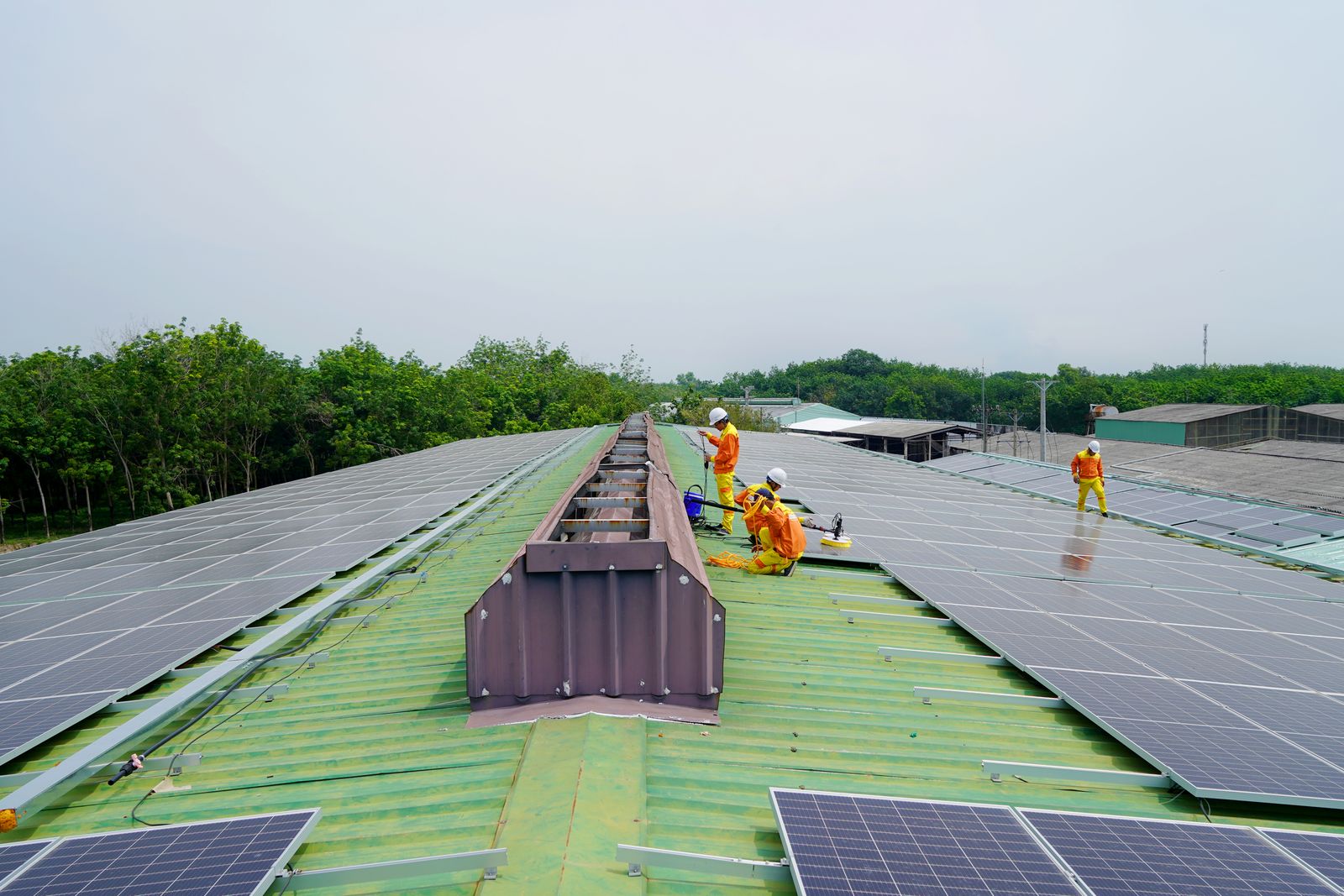
Front Range dust and spring pollen cost real production. On unwashed arrays we measure 2 to 5 percent soiling loss by June (sample figures from our own fleet), and more on shallow pitches where rain does not sheet off. A wash in late spring is usually worth more than it costs.
On the quote, not in a change order
What is included
- Module-level production monitoring with a portal login that is yours, not ours
- Monthly actual versus modelled kWh comparison with a written variance
- Alert and a phone call when variance exceeds 8 percent for two consecutive months
- Annual visual inspection: racking torque, flashing, conduit, connectors, labels
- Annual electrical check: insulation resistance, string voltage and current under load
- Array wash in late spring where soiling or pitch warrants it
- Inverter firmware and rate schedule updates
- Warranty claim handling with the manufacturer on your behalf
Start to finish
How the work runs
- 01
Baseline
Commissioning readings become the reference. Everything afterwards is measured against them.
- 02
Watch
Monthly variance report. Most months it says the system is within 3 percent and you can ignore it.
- 03
Investigate
When it does not, we look at module-level data first and only come out when we know what we are coming out for.
- 04
Annual visit
Mechanical and electrical inspection, wash if needed, and a short written report.
Why it is worth doing
Three things you get that a cheaper quote will not give you
- 01
You see per-module data
Not a single house total. A failing panel is identifiable in minutes rather than after a summer of wondering.
- 02
Claims handled
Module and inverter warranties are ours to chase, with the commissioning data to support them.
- 03
Soiling priced
We only recommend a wash where the measured loss exceeds the cost of the wash.
Asked on nearly every visit
Questions about this work
More on the questions page, or call the shop and ask a person.
Warranties cover failure, not underperformance. A module producing 82 percent of its neighbours is usually still inside its warranty band and will never be replaced unless somebody spots it.
In Boulder, once in late spring for most arrays. Steeper pitches self-clean better. We measure rather than sell a schedule.
Yes, and the account is registered to you. The plan buys you somebody else looking too, and the warranty legwork when something is wrong.
Snow slides off pitched arrays within a day or two of a Front Range storm. Do not climb up there with a broom; a scratched module loses more than a week of snow cover costs.
Usually bought together
What else this touches
 Rooftop solarArrays between 5 and 12 kW DC, sized from twelve months of your own kWh rather than from your roof area.
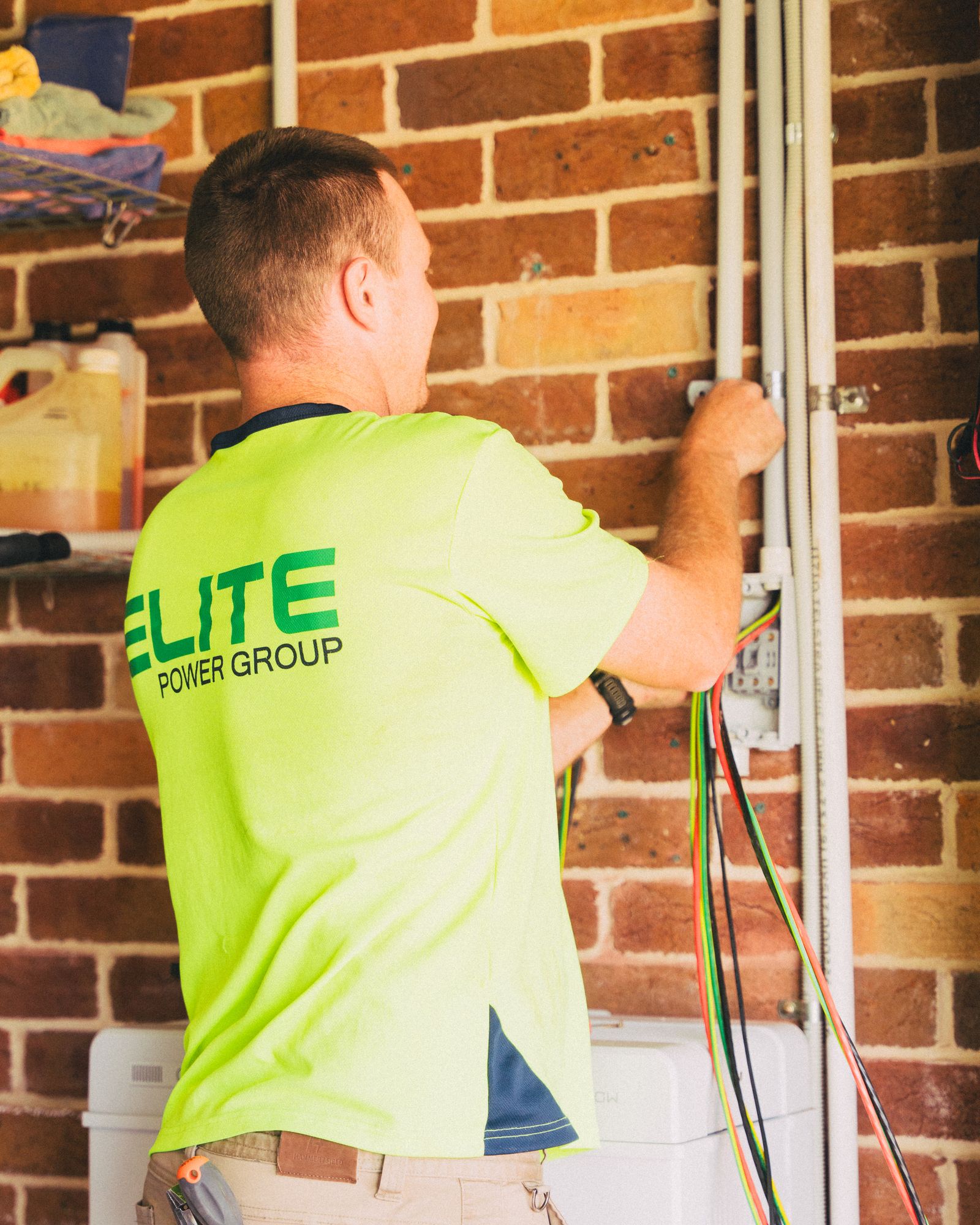 Battery storageUsable kWh for outages and for shifting load out of the 3 to 7 pm peak, wired to a protected loads panel you actually chose.
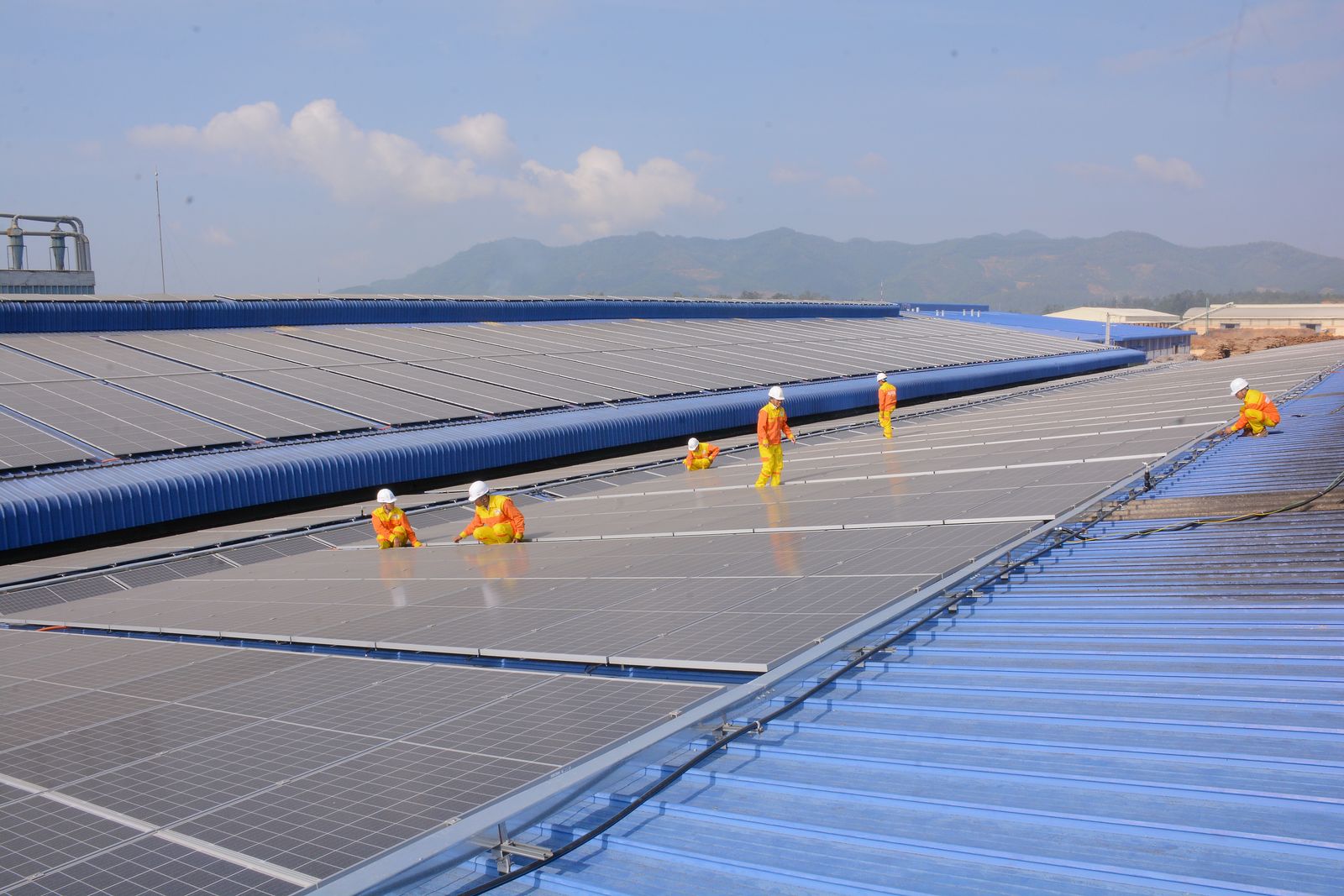 Solar-ready roofingReroof and array in one mobilisation, so you never pay to remove a five-year-old system to replace shingles under it.
Start with the test, not the quote
Three to four hours on site, a written report in five business days, and a recommendation that might well be to spend less than you planned.