



Heat pumps
The only heat pump number worth arguing about
Nameplate capacity is quoted at 47 degrees F. Boulder's design temperature is 2. Here is how to read the table that matters.
 Heat pumps, Boulder County
Two numbers, one of them useless
Every heat pump is sold on a tonnage figure and a seasonal efficiency rating. Both are measured at 47 degrees F. In Boulder County, the 99 percent winter design temperature is about 2 degrees F, which means for the coldest hours of the year the brochure figure tells you almost nothing.
What you want is the extended capacity table, which every serious manufacturer publishes and almost no salesperson volunteers. It lists delivered capacity in Btu per hour and coefficient of performance at 47, 17, 5 and sometimes minus 13 degrees F.
What good looks like
A cold-climate unit worth buying on the Front Range retains 70 to 80 percent of its 47 degree capacity at 5 degrees F, and holds a coefficient of performance around 2.0 there. A COP of 2.0 means two units of heat delivered for every one consumed, which is still twice what a resistance element can do.
Below the balance point, whatever backup you have takes over. On a dual fuel installation that is the existing gas furnace; on an all-electric house it is resistance strips, which is where your bill goes to die if the envelope is leaky and the balance point is set too high.
Sizing is the other half
Rule-of-thumb sizing by square footage overshoots almost every house we test, commonly by 30 to 40 percent. An oversized heat pump short cycles, dehumidifies poorly and costs more to buy and to run.
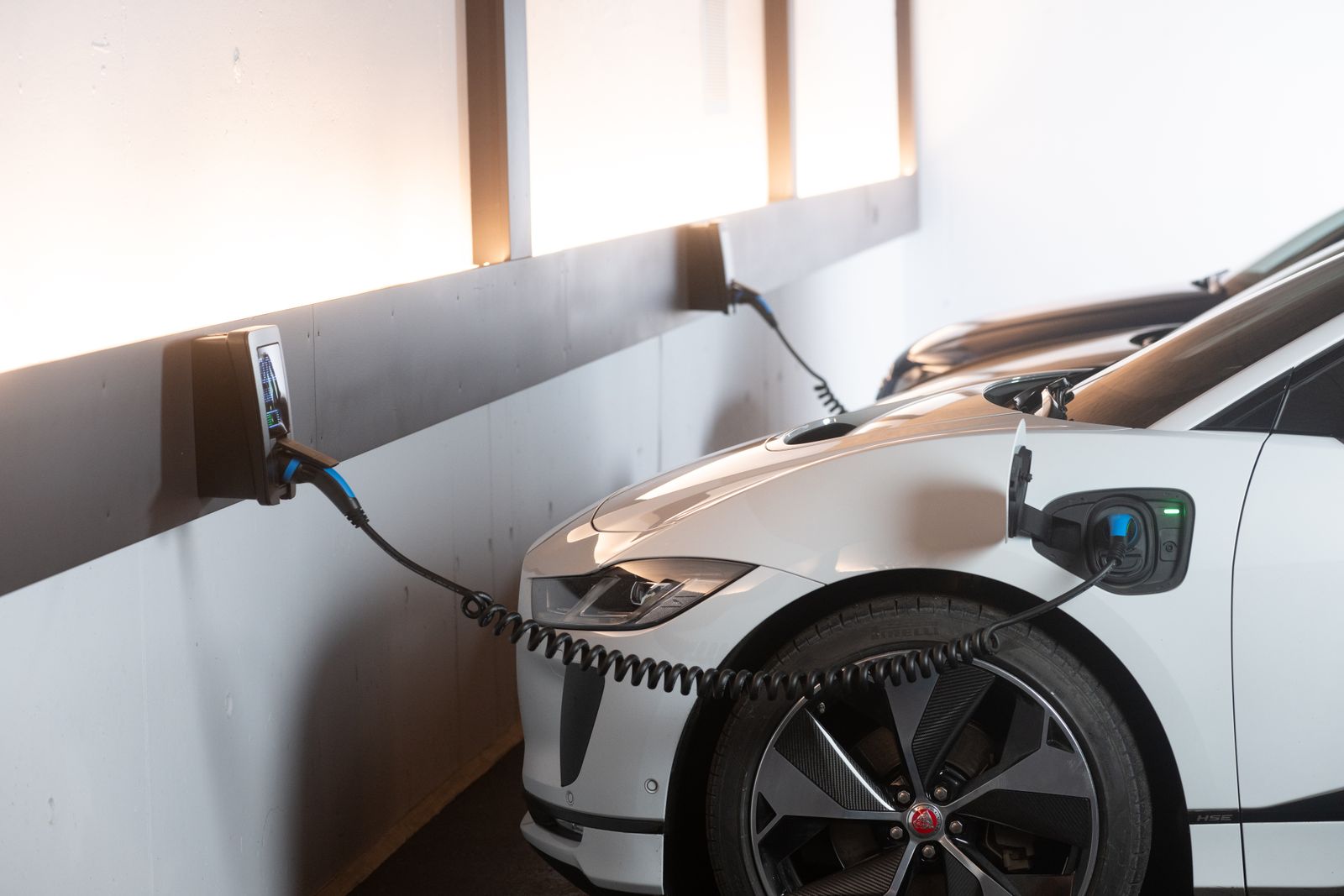
A room-by-room Manual J takes us two to three hours and routinely drops a system a full size. On a recent Louisville rebuild it moved a proposal from four tons to three, saved about $3,100 and kept the electrical load calculation under the service rating so the EV charger fitted too.
- Ask for the extended capacity table, not the tonnage
- Ask what the design temperature in the load calculation was
- Ask where the balance point is set and what the backup is
- Ask what the blower door reading was before anyone sized anything
Every figure in this article is a sample for a demonstration website. Ask us for the workings on your own house rather than applying these numbers to it.