








1,040 expensive hours a year
The peak window is four hours wide and almost nothing has to happen in it
Weekday afternoons from three until seven cost nearly three times what the same energy costs at ten at night. Most households can move a third of that load for free. Only what is left is worth buying hardware for.
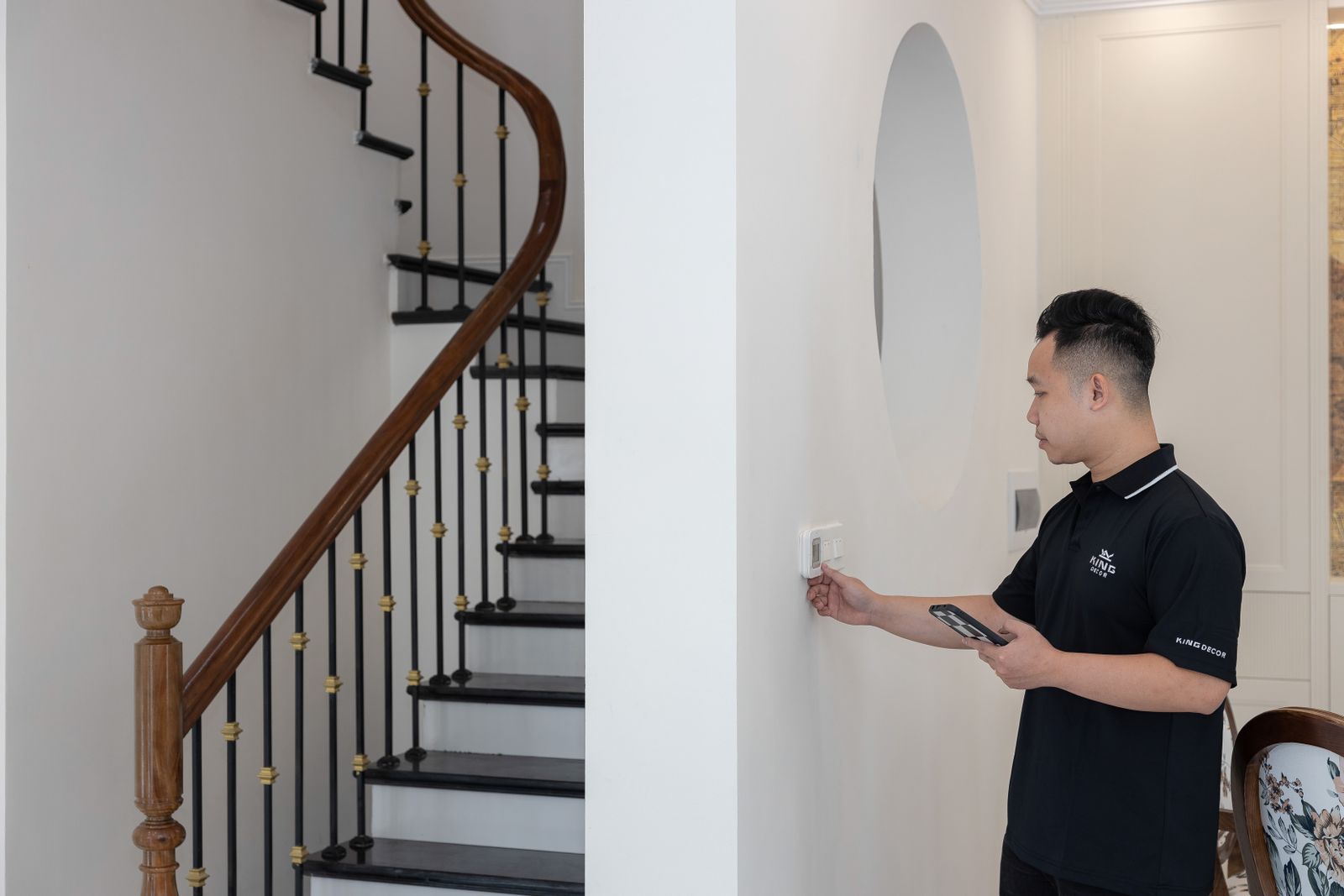 Setting the charge window once, Longmont
Your numbers, not a brochure's
Model the shift before you buy anything
Three things limit how much you can shift at once: your own on-peak use in kWh, the battery's usable kWh, and the battery's continuous kW across a four-hour window. The tool tells you which one is binding.
Your peak window
Most Boulder County households measure between 5 and 10 kWh once the car and the appliances have moved.
261 weekdays less public holidays, which are billed off-peak.
What the shift is worth
- Energy actually shifted each weekday
- 0 kWh
- What limits it
- -
- Value per shifted kWh, summer
- $0.000
- Value per shifted kWh, winter
- $0.000
- Energy drawn from the grid to charge
- 0 kWh a year
Sample residential time-of-use rate
| Window | When | Summer, $ per kWh | Winter, $ per kWh |
|---|---|---|---|
| On-peak | Weekdays 3:00 pm to 7:00 pm, excluding holidays | 0.2377 | 0.1963 |
| Mid-peak | Weekdays 1:00 pm to 3:00 pm and 7:00 pm to 9:00 pm | 0.1206 | 0.1067 |
| Off-peak | All other hours, plus weekends and holidays | 0.0836 | 0.0748 |
In this order
Five moves, and only the last one costs money
- 01
Move the car first, it costs nothing
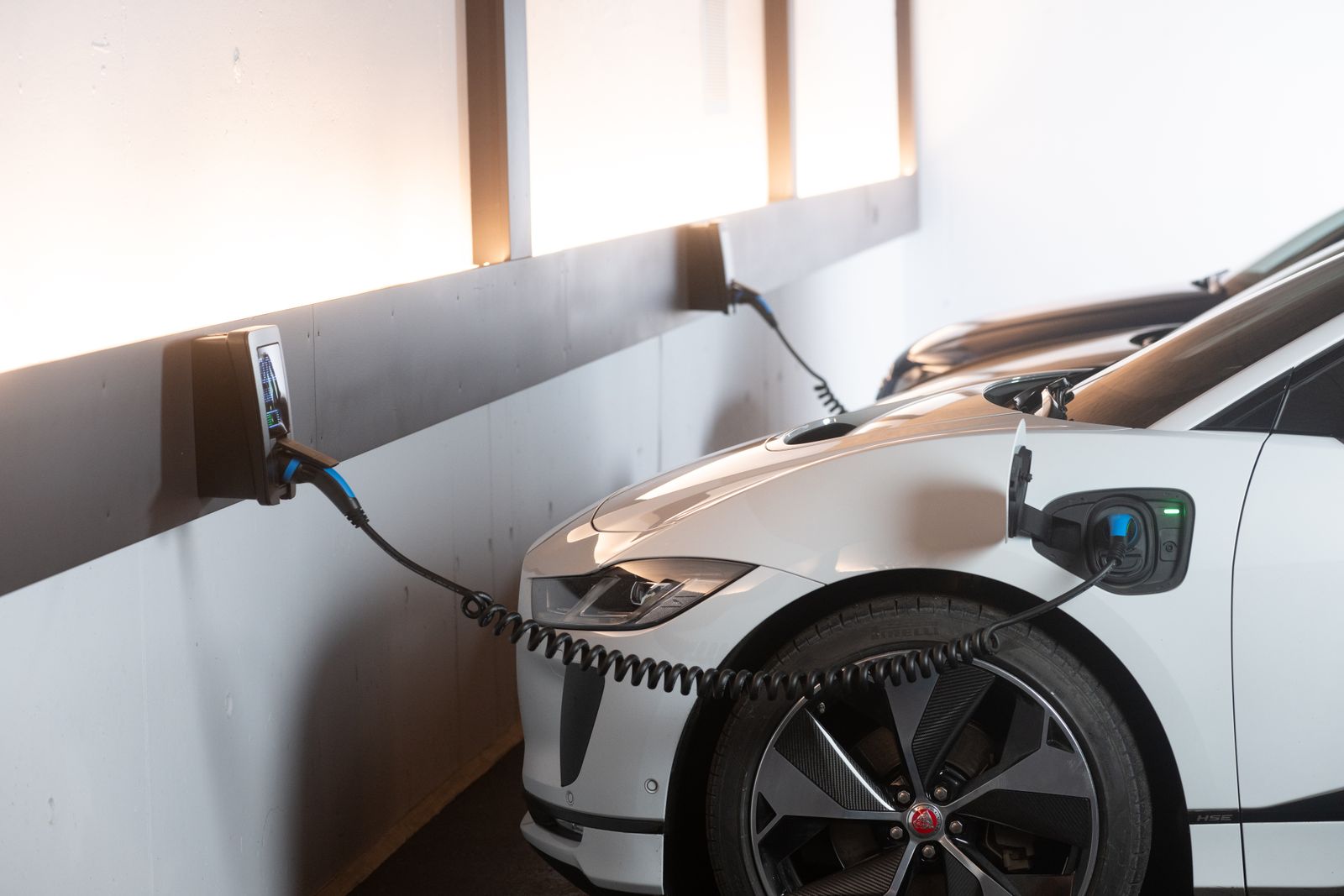
A Level 2 charger drawing 11.5 kW for three hours is 34.5 kWh. Moved from the on-peak window to after 9 pm, that is 34.5 kWh repriced from $0.2377 to $0.0836, a saving of $5.31 on that one charge (sample rates). Set the schedule once in the car and forget it.
- 02
Then the big appliances
Dishwasher, washer, dryer and the pool pump are all delay-start devices. Between them they are commonly 4 to 7 kWh a day, which is $0.60 to $1.05 of peak avoided per day if they were running at 5 pm.
- 03
Pre-cool the house, do not fight the peak
Running the air conditioner hard from 1 pm to 3 pm and letting the house drift two degrees between 3 and 7 shifts real kWh out of the expensive window. A well-sealed, R-60 house drifts slowly. A leaky one cannot do this at all.
- 04
Only then buy a battery for arbitrage
Charge off-peak, discharge on-peak. The value of each shifted kWh is the on-peak price minus the off-peak price divided by round-trip efficiency. At the sample rates and 90 percent round trip that is about 14.5 cents a kWh in summer and 11.3 cents in winter. Run the arithmetic before you buy, not after.
- 05
Remember west-facing production is peak production
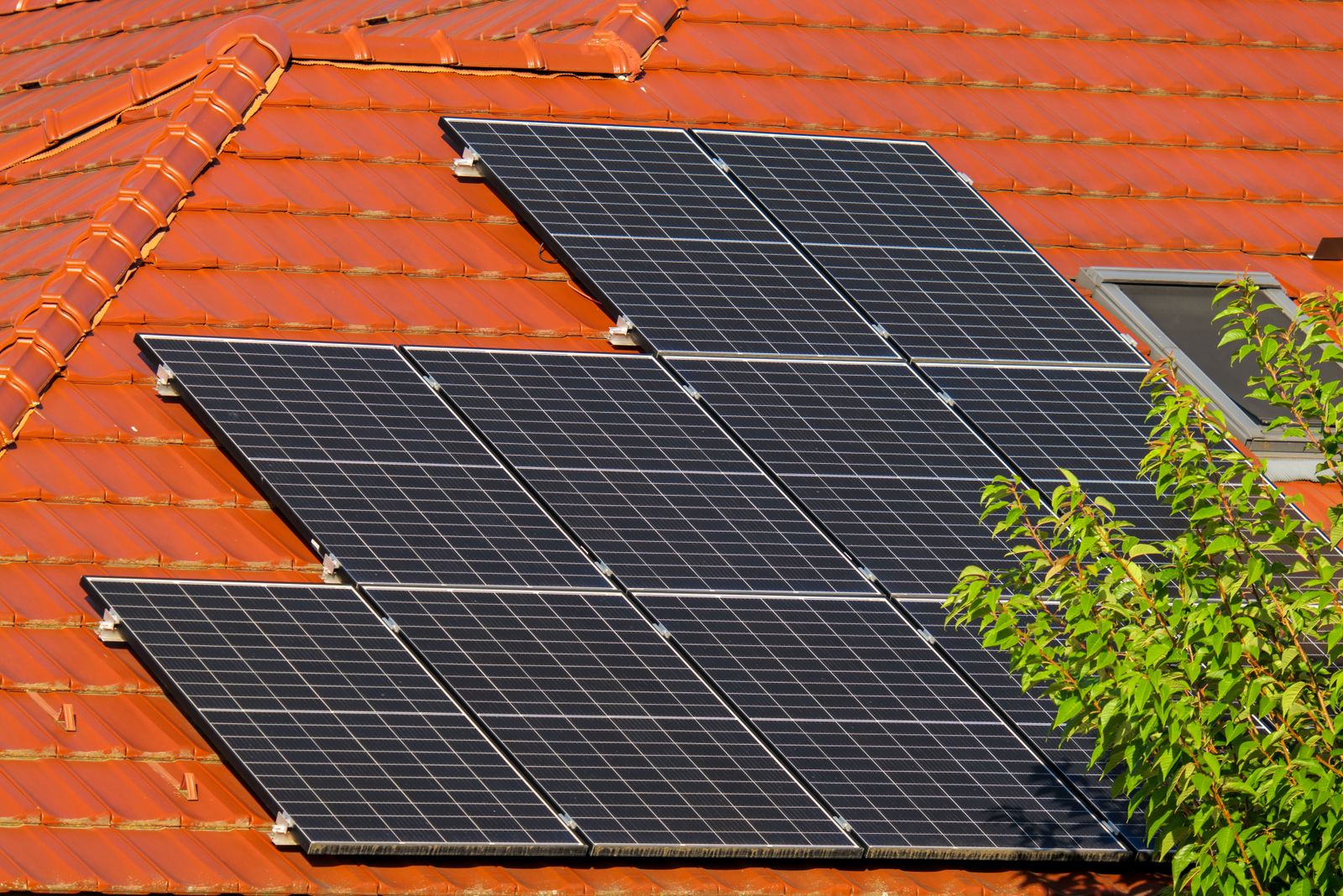
A west plane generating into the 3 to 7 pm window is, on a time-of-use rate, doing the same job as a battery without the battery. That is why we will sometimes recommend the slightly lower-yield plane.
Said out loud, in writing
We have talked more people out of batteries than into them
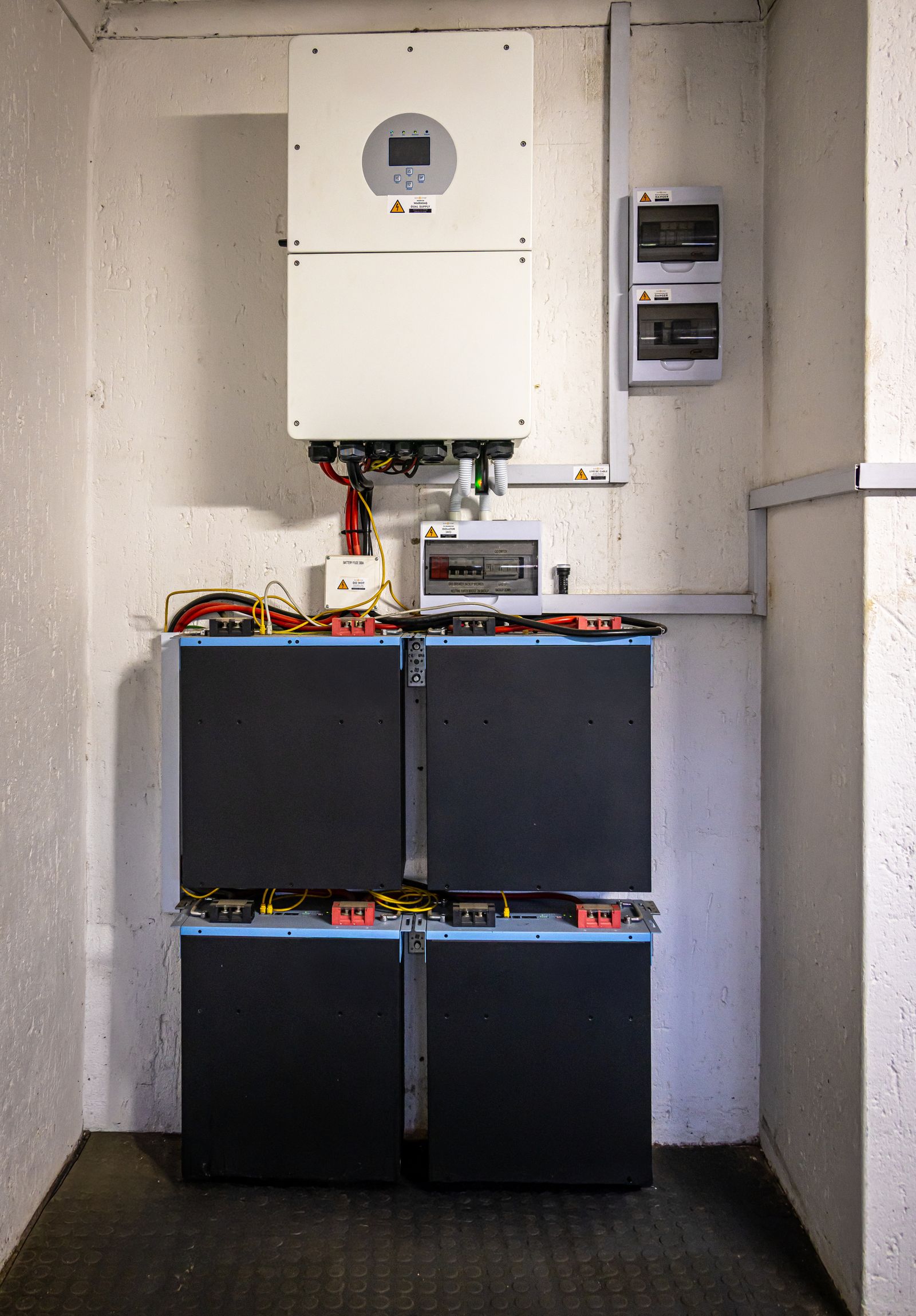
A battery bought for arbitrage at these rates does not pay for itself inside its warranty. A battery bought for resilience, on a property where an outage means no water, no heat and no home office, is a completely reasonable purchase, and the rate saving is a pleasant offset.
Those are two different conversations and a proposal that blurs them is doing you a disservice. Ours states which one you are having.
- 01Free behaviour changes first, measured over a month
- 02Then west-facing generation, if the roof offers it
- 03Then storage, priced honestly against resilience
Rates and storage
Questions about the peak window
Related: why a west plane is worth more than its kWh suggests.
For most Boulder County households on this rate design, yes, provided you can move the car charging and the big appliances out of the 3 to 7 pm weekday window. If somebody is home cooking on an electric range at 5 pm every day and nothing can move, it can cost more. Look at a month of hourly data before deciding.
On-peak price minus off-peak price divided by round-trip efficiency. You have to buy more than one kWh off-peak to deliver one on-peak, because a battery loses roughly 10 percent going in and out. At the sample rates and 90 percent round trip that is 14.5 cents a kWh in summer and 11.3 in winter.
Considerably. An array that is still producing at 4 pm displaces on-peak purchases directly, no battery required. That is why a west-facing plane can be worth more per installed kW than a south-facing one on this rate, even though it makes fewer kWh.
No, and we will say so in writing. At the sample rates a single 13.5 kWh module shifting 8 kWh a weekday returns roughly $270 a year against an installed cost in the mid five figures. Buy a battery for resilience and count the rate saving as an offset, not the other way round.
Residential demand charges are not part of this rate design, but they do exist elsewhere and they price your single highest kW rather than your kWh. If your utility ever introduces one, battery sizing flips from being about energy to being about power, and the arithmetic on this page has to be redone.

Bring us a month of hourly data
If your utility portal exports hourly kWh, send it over. We will tell you what is actually in your peak window before anybody discusses equipment.