

Solutions
Cold-climate heat pumps
Sized from a real Manual J and specified at 5 degrees F, not at the 47 degree rating on the brochure.
- Ducted cold-climate system
- $14,500 to $24,000 installed
- Ductless multi-zone
- $9,800 to $19,500 installed
- Capacity retained at 5 degrees F
- 70 to 80 percent of the 47 degree rating
 Heat pumps
How we think about it
Heat pumps, in plain terms
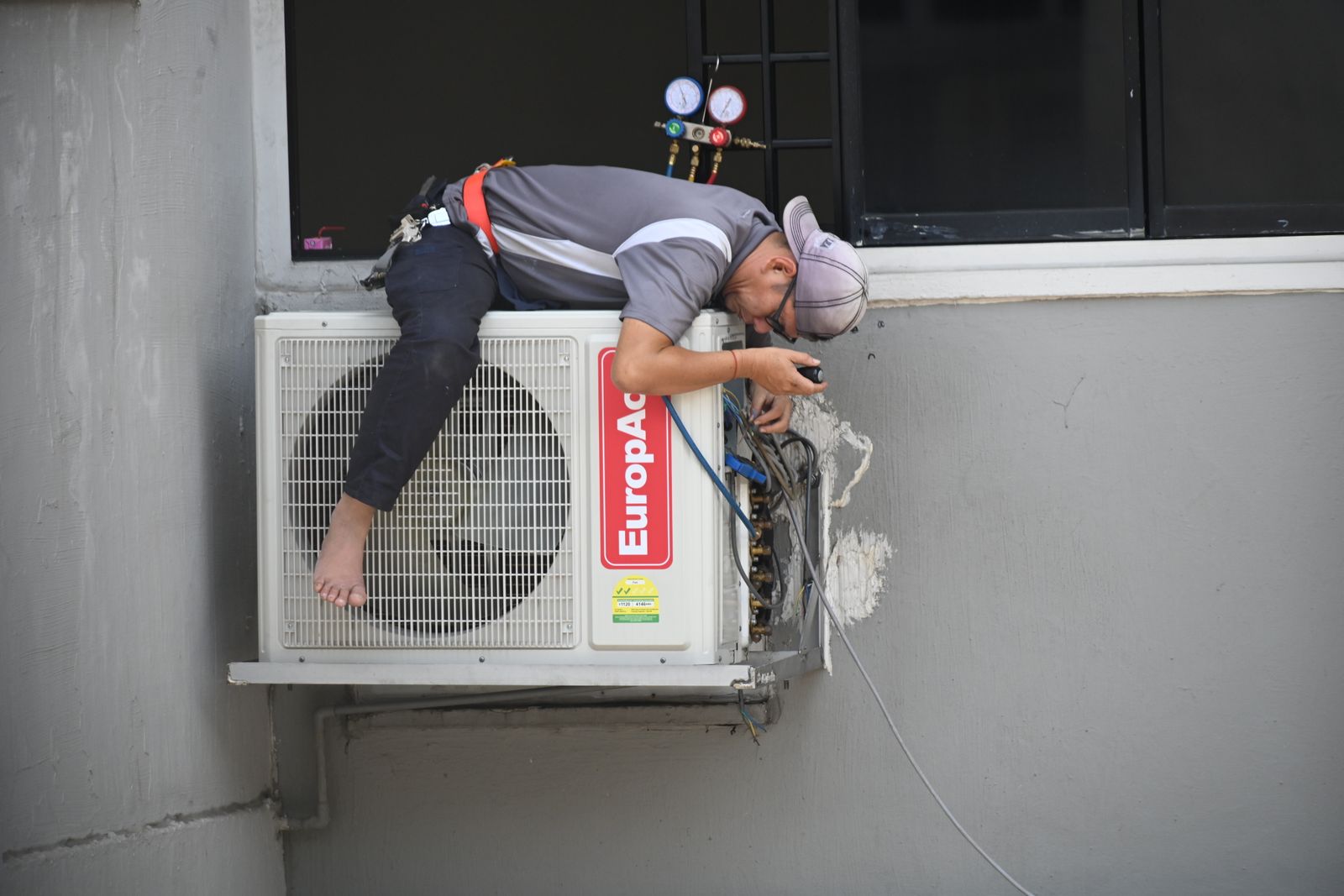
A heat pump moves heat rather than making it, so it delivers more energy than it consumes. That ratio is the coefficient of performance. A good cold-climate unit runs a COP around 3.2 at 47 degrees F and around 2.0 at 5 degrees F. Even at 2.0 it is still putting out two units of heat for one unit of electricity, which resistance heat can never do.
The trap is capacity. Nameplate capacity is quoted at 47 degrees F. The same unit at 5 degrees F may deliver 70 to 80 percent of it. Boulder's 99 percent winter design temperature is about 2 degrees F, so the number that matters is the capacity at 5, matched against your measured design heating load in Btu per hour. We size against that, and we specify the balance point where any backup takes over.
Pairing matters too. A heat pump on a leaky envelope is an expensive way to be disappointed. A heat pump on a sealed house with an array covering the winter kWh is the cheapest comfortable winter available in this county.
On the quote, not in a change order
What is included
- Room-by-room Manual J against a 2 degree F design temperature
- Capacity matched at 5 degrees F, with the balance point stated in writing
- Ducted, ductless or hybrid configuration chosen on the duct test results
- Line set, pad or wall bracket, condensate management and a disconnect
- Electrical load calculation and any service panel work
- Backup strategy: existing furnace as dual fuel, or sized resistance strips
- Commissioning readings: static pressure, superheat or subcooling, delivered temperature rise
- Rebate and tax credit paperwork prepared
Start to finish
How the work runs
- 01
Load first
No sizing without a Manual J. Rule-of-thumb sizing overshoots by 30 to 40 percent on almost every house we test.
- 02
Duct reality check
Static pressure and leakage measured. Many 1970s duct systems cannot carry the airflow a heat pump wants without modification.
- 03
Equipment selection
We compare candidates on capacity at 5 degrees F, COP at 5 degrees F and HSPF2, not on the box on the front.
- 04
Electrical
Load calculation under NEC 220.83 plus the panel check. Heat pumps and EV chargers often arrive in the same year, so we plan for both.
- 05
Install and commission
Two to three days typical. We leave you the commissioning numbers and the balance point setting.
Why it is worth doing
Three things you get that a cheaper quote will not give you
- 01
One machine, both seasons
Heating and cooling from the same equipment, which is worth real money on a house that has never had air conditioning.
- 02
Pairs with your own kWh
Electric heat that your array partly covers is the point of the whole exercise. Gas heat cannot be offset by a roof.
- 03
Honest cold weather numbers
We publish the capacity and the COP at 5 degrees F, and the outdoor temperature at which backup starts.
Specification we work to
| HSPF2 | 8.5 to 9.8 for the units we specify |
|---|---|
| SEER2 | 15.2 to 18.0 |
| Refrigerant | R-454B or R-32, lower global warming potential than R-410A |
| Compressor | Inverter driven, variable speed, 20 to 100 percent modulation |
| Design temperature used | 2 degrees F, Boulder 99 percent winter |
Asked on nearly every visit
Questions about this work
More on the questions page, or call the shop and ask a person.
Cold-climate units do. They are tested to deliver rated output down to 5 degrees F and to keep running below that at reduced capacity. The honest answer is that sizing and envelope decide whether yours will feel good, which is why we insist on the audit.
Dual fuel is a reasonable choice if the furnace has life in it. The controls switch to gas below the economic balance point, typically somewhere between 15 and 25 degrees F depending on your gas and electric rates.
It will rise, and your gas bill falls. Whether the total drops depends on your rates, your envelope and your array. We model both bills side by side before you commit.
Often yes, sometimes no. A ducted heat pump plus strips can want 60 to 80 A. We run the NEC 220.83 calculation rather than guessing, and we price the panel upgrade in the same quote if it is needed.
Usually bought together
What else this touches
 Energy auditsBlower door, thermal scan, combustion safety and a room-by-room Manual J load, in one visit, with the numbers written down.
 Insulation and air sealingSeal first, then insulate. Attic to R-60, rim joists closed, and the ACH50 re-tested so you can see it moved.
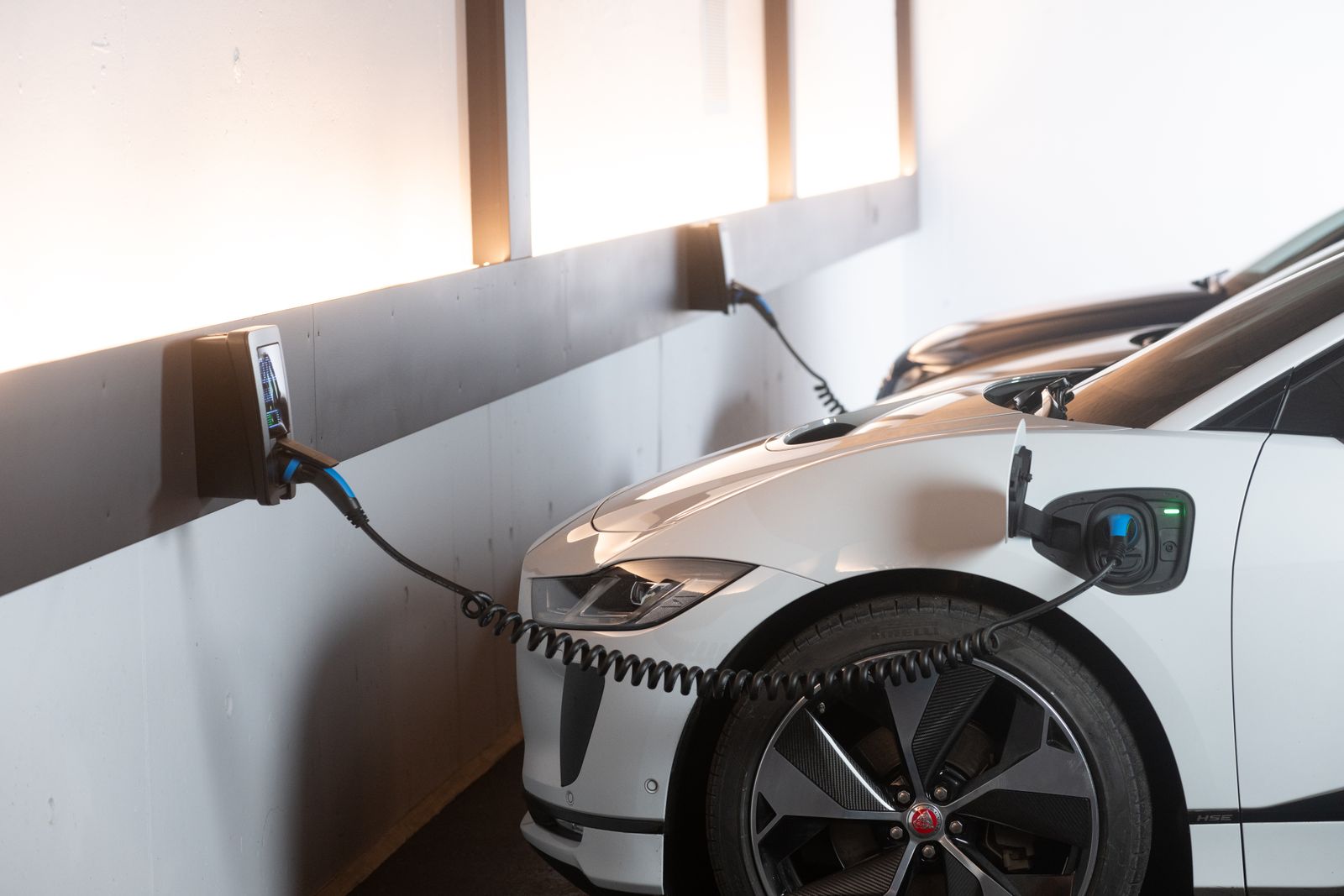
 EV chargersLevel 2 at 48 A continuous means 11.5 kW and a 60 A circuit. We do the load calculation before we quote the conduit.
Start with the test, not the quote
Three to four hours on site, a written report in five business days, and a recommendation that might well be to spend less than you planned.