




Latitude 40 north
What your roof's angle is actually worth, in a table
Six pitches by six orientations, as a percentage of an unshaded 35 degree true-south plane. Pick a cell and it turns into kWh a year for your array. No salesperson required.
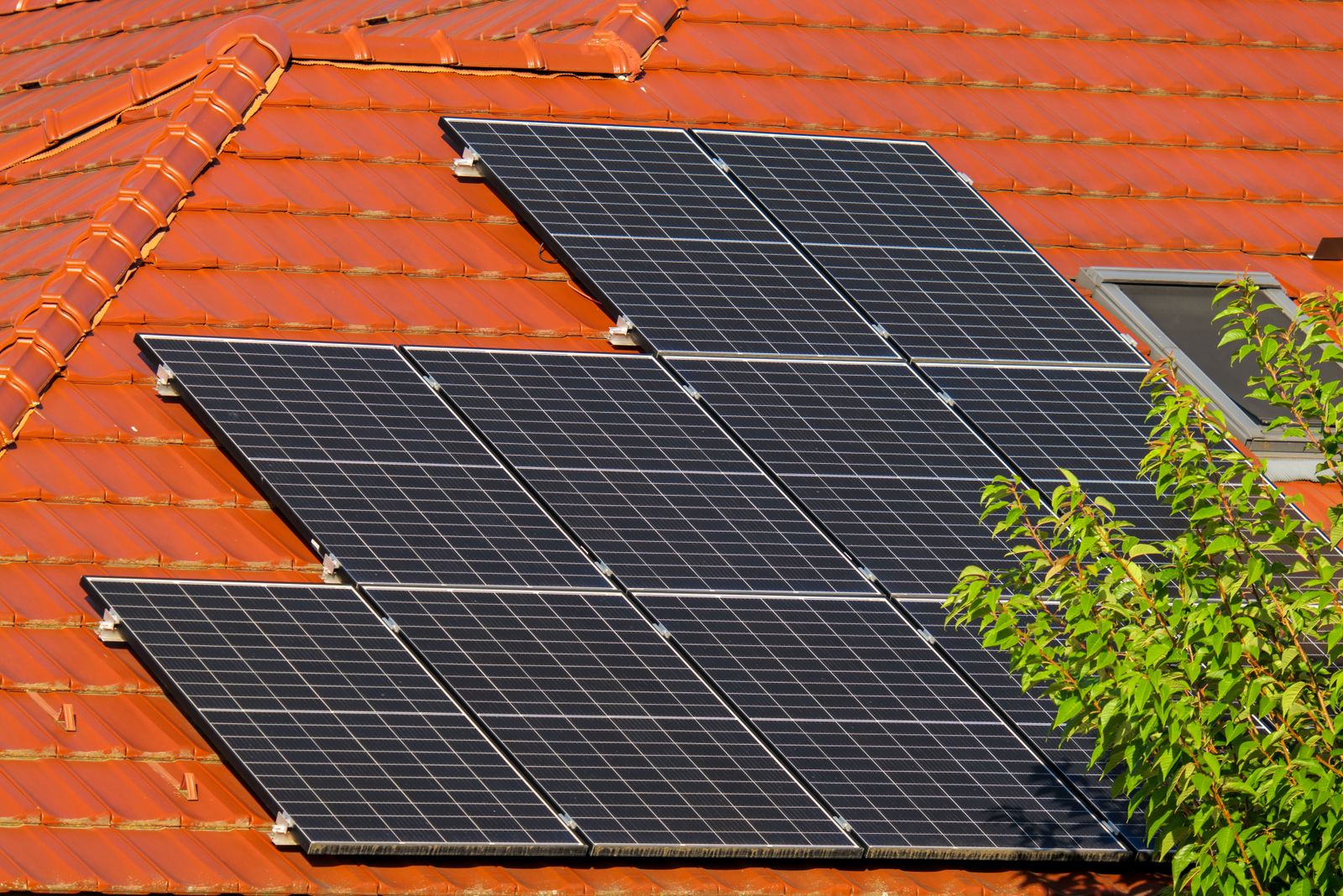
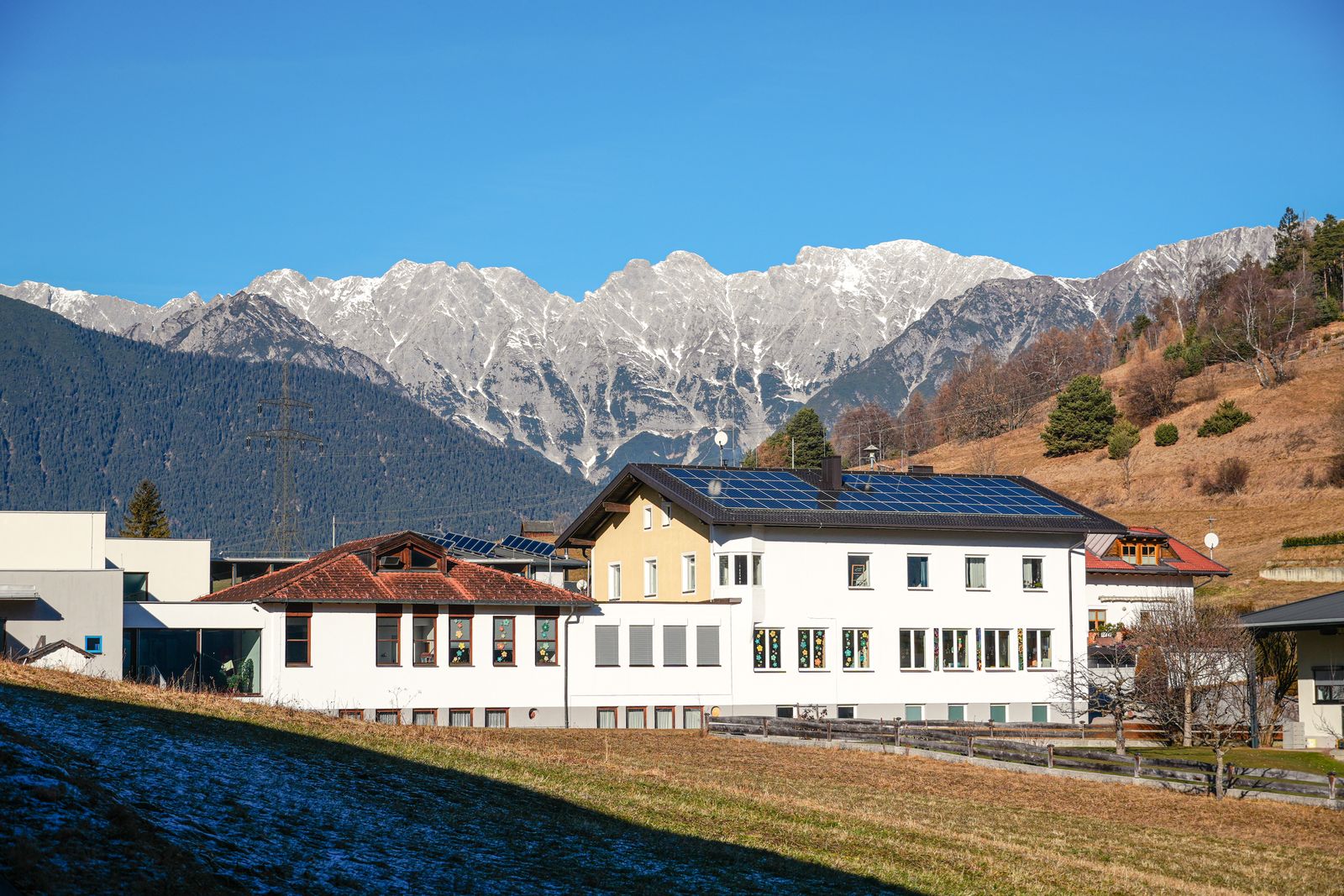 A 4:12 south-west plane, Lafayette
The whole table, not a summary
Every pitch, every orientation, one number each
Baseline is 1480 kWh per installed kW DC per year for an unshaded optimum plane in Boulder. Sample modelled figures for this demo site.
| Roof pitch | Due south180 deg | 22 deg off south158 or 202 | Southeast / southwest135 or 225 | 67 deg off south113 or 247 | Due east / west90 or 270 | Due north0 deg |
|---|---|---|---|---|---|---|
| Flat / low slope0 deg | ||||||
| 2:129.5 deg | ||||||
| 4:1218.4 deg | ||||||
| 6:1226.6 deg | ||||||
| 8:1233.7 deg | ||||||
| 12:1245 deg |
Price the plane you picked
- Plane
- 6:12, due south
- Share of optimum
- 100 percent
- Modelled first-year energy
- 10,064 kWh
- Against the same array due south at 35 degrees
- No difference
Baseline 1480 kWh per installed kW DC per year for an unshaded optimum plane (sample). kW DC is the array's power rating; kWh is the energy it makes in a year. Shading is modelled separately.
Five things the table does not say out loud
Reading it properly
- 01
Find true south before you measure anything
Boulder's magnetic declination is about 8 degrees east, so true south reads roughly 172 degrees on a handheld compass. Eight degrees does not sound like much, and on a 6:12 roof it is worth under one percent, but it changes which of two similar planes we pick.
- 02
Tilt matters less than people expect
Between a 4:12 and an 8:12 south-facing roof there is almost nothing in it over a full year. Steeper tilts trade summer production for winter production and shed snow faster; shallower tilts do the opposite. The annual totals converge.
- 03
West beats east on a time-of-use rate
A due-west plane and a due-east plane generate a similar number of kWh, but the west plane makes its kWh in the 3 to 7 pm window where energy is worth two to three times as much. On a flat rate they are equivalent; on a time-of-use rate they are not.
- 04
Split arrays are normal here
Boulder's housing stock is full of hipped and cut-up roofs. An array across a south plane and a west plane, on separate inverter inputs, usually beats cramming everything onto the one clean face.
- 05
A north plane is almost never worth it
At 63 percent of optimum on a 6:12 pitch, a north-facing plane produces its kWh at roughly one and a half times the cost per kWh of the south plane on the same house. We quote it separately so you can say no to it.
The one that surprises people
West planes make less energy and more money
A due-west plane at 6:12 produces about 80 percent of the kWh a due-south plane would. But on a time-of-use rate, the hours it produces in are worth 23.77 cents rather than 8.36 cents. If a meaningful share of a west plane's output lands inside the 3 to 7 pm window and displaces on-peak purchases, its dollars per installed kW can beat the south plane outright.
That only holds while the rate structure holds, which is why we model it both ways and say so on the proposal rather than making a rule of it.
- Due south, 6:12
- 100 percent of optimum
- Due west, 6:12
- 80 percent of optimum
- On-peak price, summer
- $0.2377 per kWh
- Off-peak price, summer
- $0.0836 per kWh
- Ratio
- 2.84 to 1
Angles and compasses
Questions about orientation
Once the angle is settled, shade is the next variable. Theshading simulator handles that one.
No. A 4:12 roof facing due east or due west produces about 84 percent of what the same roof would produce facing due south. Over a 25 year system life that difference is real but it is rarely the difference between a sensible project and a silly one. Shade matters far more.
Almost never on a pitched roof. Tilt frames add wind loading, cost, visual bulk and inter-row shading, to chase a few percent. On a genuinely flat roof, yes, we tilt, usually to 10 or 15 degrees rather than to the theoretical optimum, because row spacing eats the gain above that.
The table counts kWh. Your bill counts dollars. On a time-of-use rate the 3 to 7 pm window is priced at nearly three times off-peak, and a west plane generates into it. Same energy, more money.
Boulder's magnetic declination is about 8 degrees east, so true south sits at roughly 172 degrees on a handheld compass. We take the azimuth off the survey instrument and the site plan rather than off a phone, because phone magnetometers near a metal roof are not to be trusted.
Close, and slightly less. Boulder sits at 40 degrees north and the annual optimum for a fixed array is around 35 degrees. Latitude minus about five degrees is a decent rule, though the curve is so flat near the top that anything between 25 and 40 degrees is within a couple of percent.
Start with the test, not the quote
Three to four hours on site, a written report in five business days, and a recommendation that might well be to spend less than you planned.