



Solutions
Rooftop solar for Boulder County homes
Arrays between 5 and 12 kW DC, sized from twelve months of your own kWh rather than from your roof area.
- Typical array size
- 5.0 to 11.5 kW DC
- Modelled specific yield
- 1,480 kWh per kW DC per year
- Installed price before incentives
- $2.75 to $3.40 per watt DC
 Rooftop solar
How we think about it
Rooftop solar, in plain terms
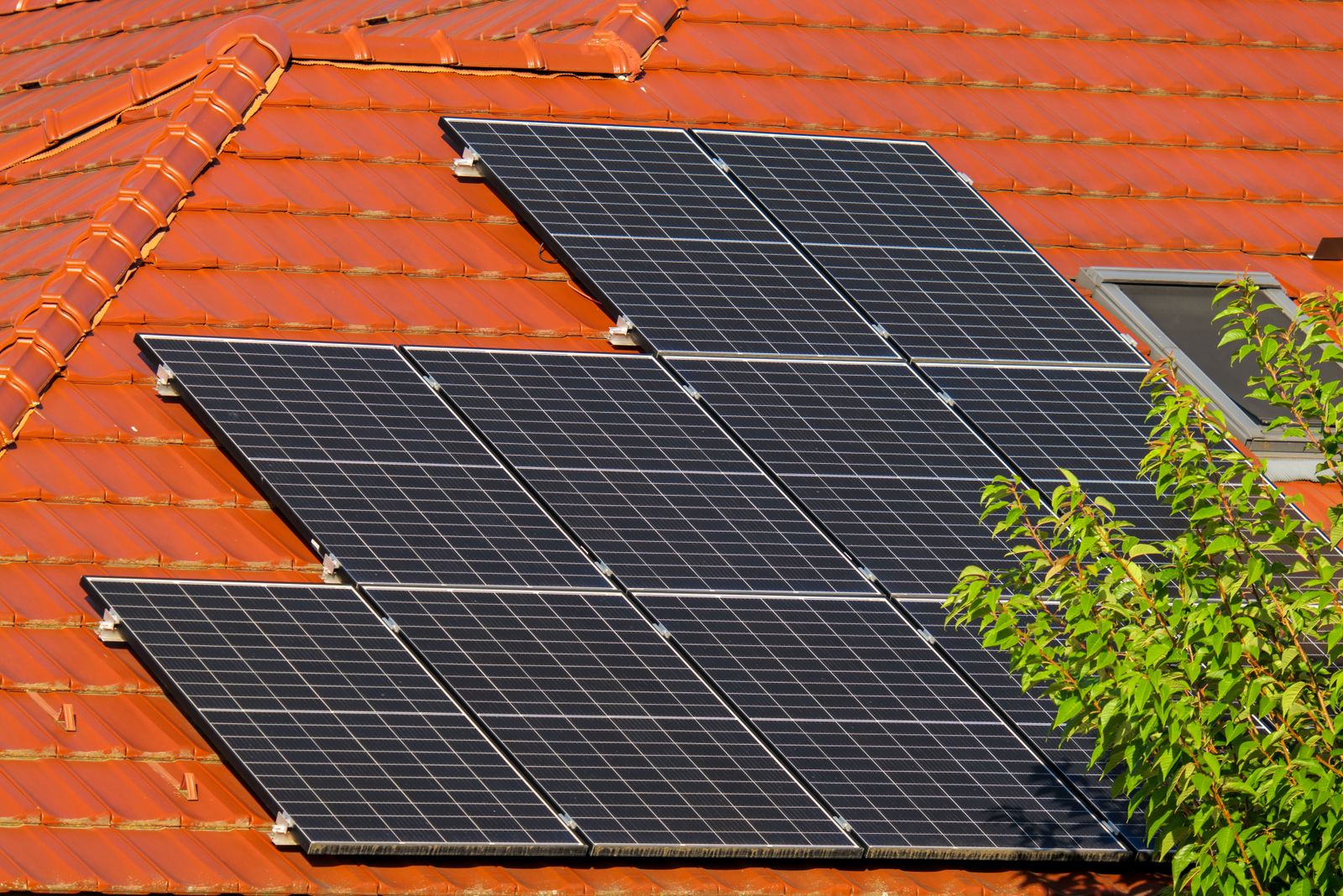
We start with your utility history, not with a panel count. Twelve months of kWh tells us what the house actually uses; the roof tells us what it can carry. A 2,300 square foot home in Martin Acres that used 9,100 kWh last year needs roughly 6.4 kW DC at Boulder's modelled 1,480 kWh per installed kW per year, once you allow for the 88 percent system derate that covers inverter losses, wiring, soiling and the Front Range dust that blows in every spring.
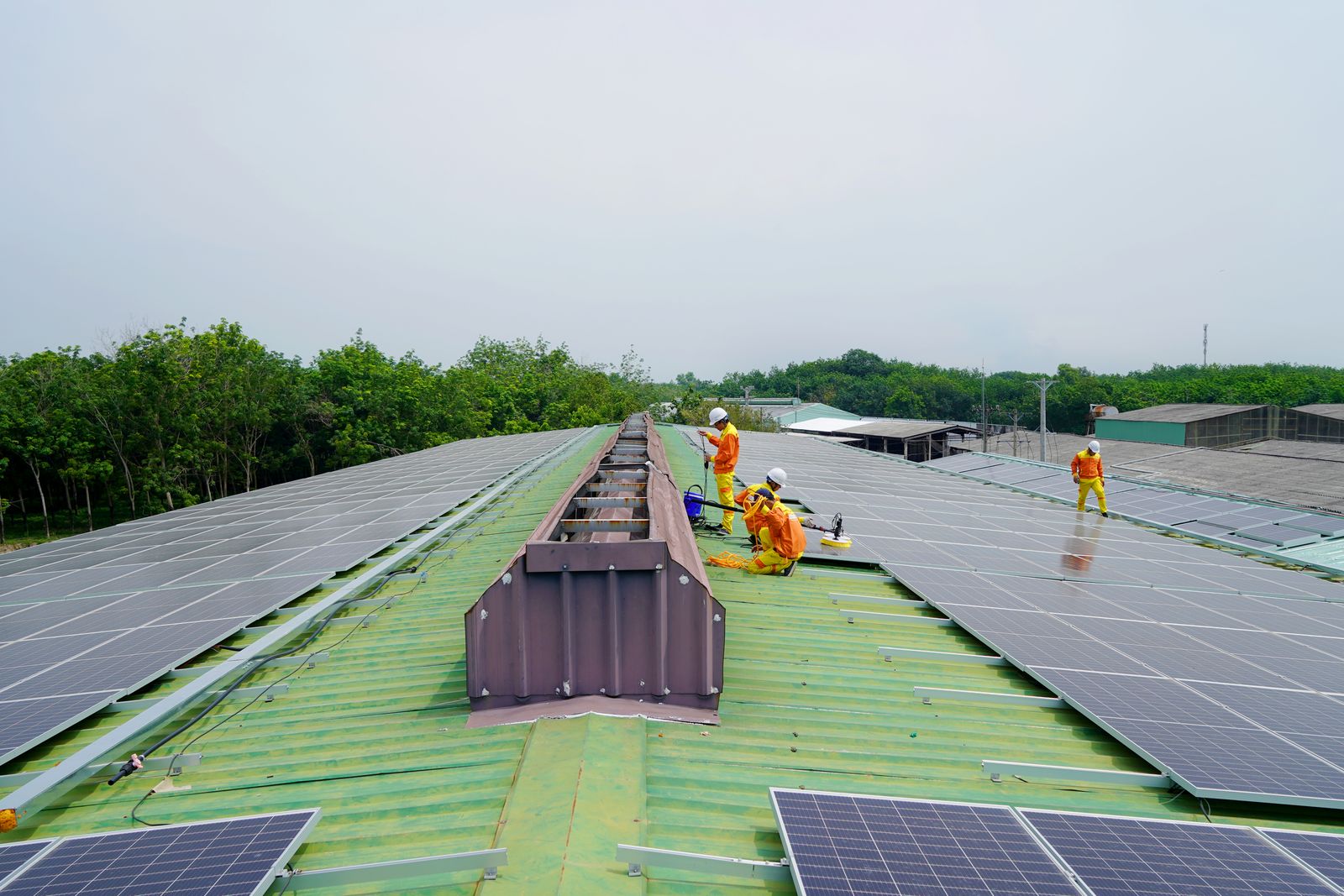
Boulder County roofs are rarely a clean south face. We survey each roof plane separately: azimuth against true south, pitch, shading through the year, covering type and remaining life, and the rafter spacing that decides how the mounting feet land. Planes that come out below about 75 percent of optimum yield get quoted separately so you can see what each one is really contributing.
Everything is quoted in the right units. The array is kW DC. The inverter is kW AC. What shows up on your bill is kWh. If a proposal mixes those up, it is worth a second read.
On the quote, not in a change order
What is included
- Twelve-month kWh history pulled with your written authorisation
- Per-plane roof survey: azimuth, pitch, annual solar access, covering and remaining life
- Structural check against 2.5 to 3.5 lb per square foot of dead load plus Boulder's ground snow load
- Module-level electronics where any plane sees meaningful shade
- Rapid shutdown compliant with NEC 690.12, labelled to the inspector's checklist
- Permit drawings, Boulder County or city permit, utility interconnection application
- Commissioning readings and a production model you can hold us to
- 25 year module product and performance warranty, 12 year inverter, 10 year workmanship
Start to finish
How the work runs
- 01
Utility history and a phone call
We pull twelve months of kWh and ask what is about to change: a heat pump, an EV, a basement finish, a child moving home.
- 02
Roof survey
Two to three hours on site. Every plane measured, shade logged with a sky-view instrument, attic and rafters inspected.
- 03
Design and proposal
Plane-by-plane production model in kWh, array size in kW DC, inverter in kW AC, and the full installed price before and after incentives.
- 04
Permit and interconnection
Drawings to the authority having jurisdiction and an interconnection application to the utility. Typically three to six weeks in Boulder County.
- 05
Install
One to two days for a straightforward 6 to 8 kW roof. Racking, modules, conduit, inverter, rapid shutdown, labelling.
- 06
Inspection and permission to operate
Electrical inspection, then utility meter exchange and written permission to operate. Only then does the system legally export.
Why it is worth doing
Three things you get that a cheaper quote will not give you
- 01
Sized to your kWh
An array that covers 85 to 95 percent of consumption almost always beats one that covers 130 percent, because the surplus is credited at a lower value.
- 02
Per-plane honesty
We show what the east plane contributes and what the north-facing dormer does not, so you can decline the weak one.
- 03
One contractor
The roof, the panel upgrade, the conduit run and the interconnection are all ours. Nobody gets to blame anyone else.
Specification we work to
| Module | 410 W to 440 W monocrystalline, 20.4 to 22.6 percent efficient |
|---|---|
| Temperature coefficient | -0.29 to -0.34 percent per degree C of Pmax |
| Annual degradation | 0.25 to 0.55 percent per year depending on module class |
| Inverter | String with optimisers, or microinverters, at a 1.15 to 1.25 DC to AC ratio |
| Racking | Flashed L-foot into rafters, rail-mounted, 4 to 6 ft foot spacing |
Asked on nearly every visit
Questions about this work
More on the questions page, or call the shop and ask a person.
That is the wrong first question. We size to your kWh, then check the roof can hold it. A 6.4 kW DC array is about 15 modules at 430 W and needs roughly 290 square feet of usable plane, plus a setback allowance of around 18 percent for fire access paths.
Boulder County gets serious hail, so we specify modules tested to IEC 61215 for 25 mm hailstones at 23 m per second. We have replaced fewer than ten modules for hail in six years across the installed fleet (sample figure). Your homeowner policy usually covers the array as a dwelling improvement.
Every penetration is flashed and sealed to the covering manufacturer's detail. If your shingles have under eight years of life left we will tell you to reroof first, because pulling an array to reroof later costs $1,800 to $3,200 (sample).
Sometimes. It depends on inverter headroom, service panel capacity under the 120 percent busbar rule, and whether your interconnection approval covers the larger size. We note the headroom on every design so you know before you sign.
Usually bought together
What else this touches
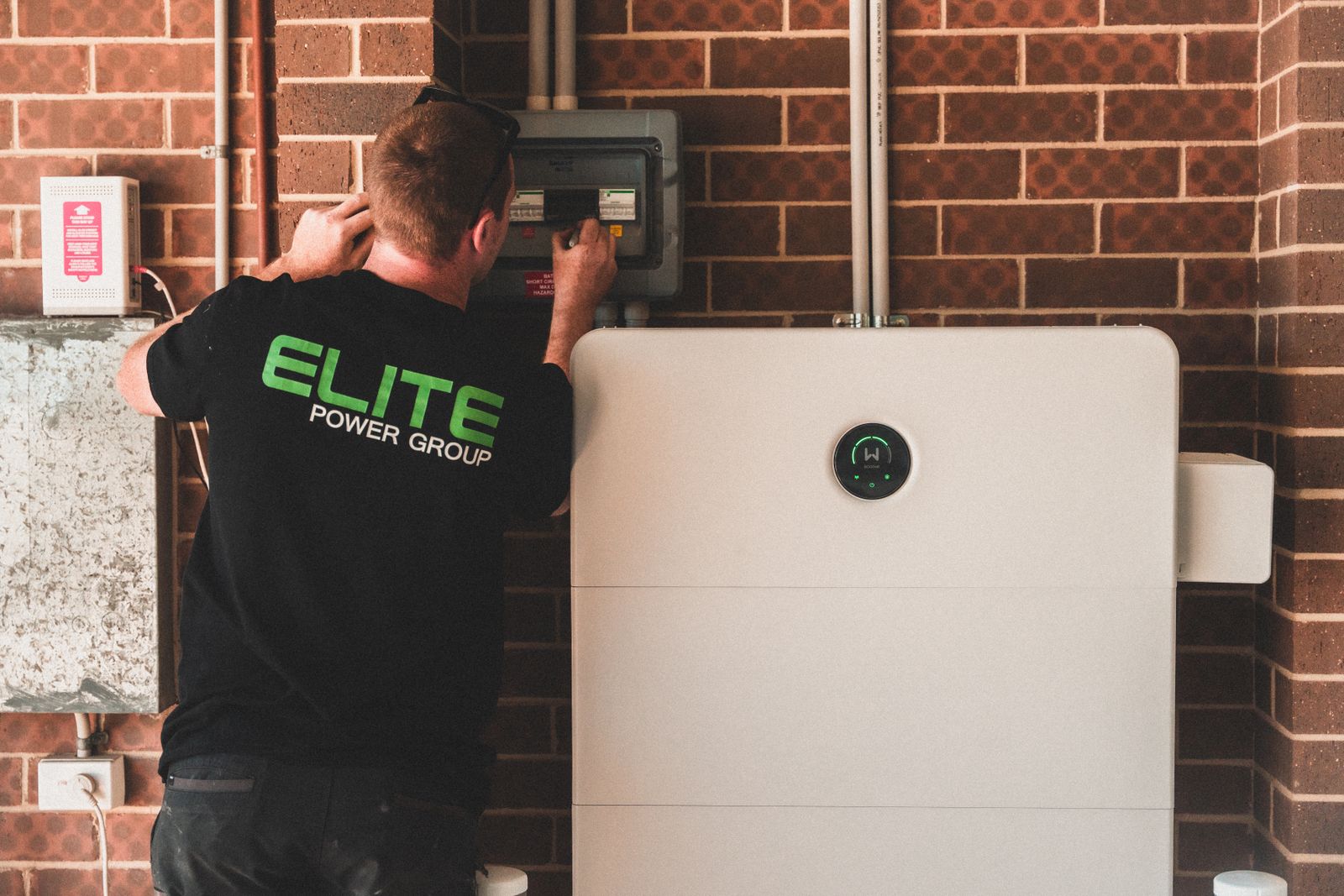
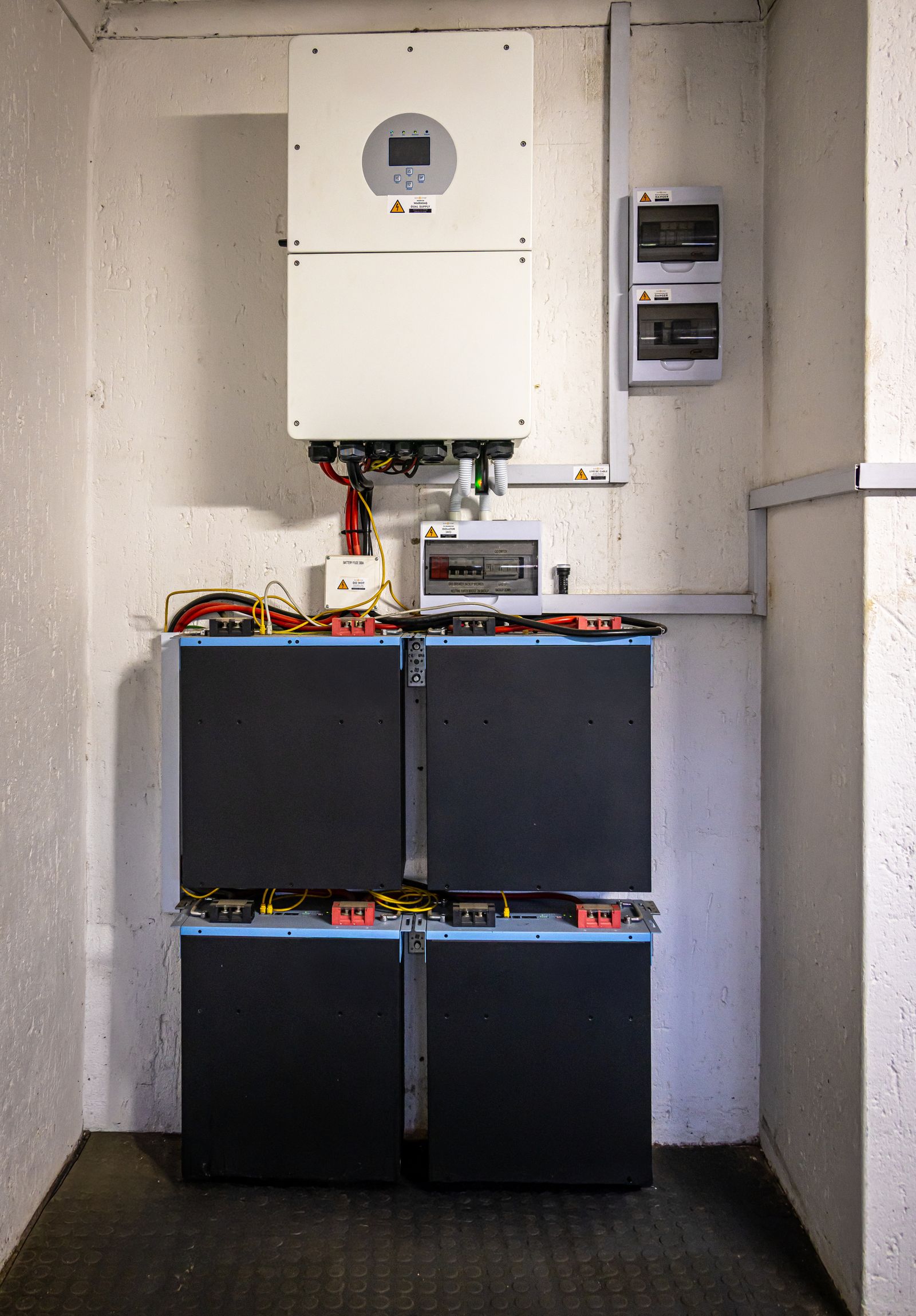
 Battery storageUsable kWh for outages and for shifting load out of the 3 to 7 pm peak, wired to a protected loads panel you actually chose.
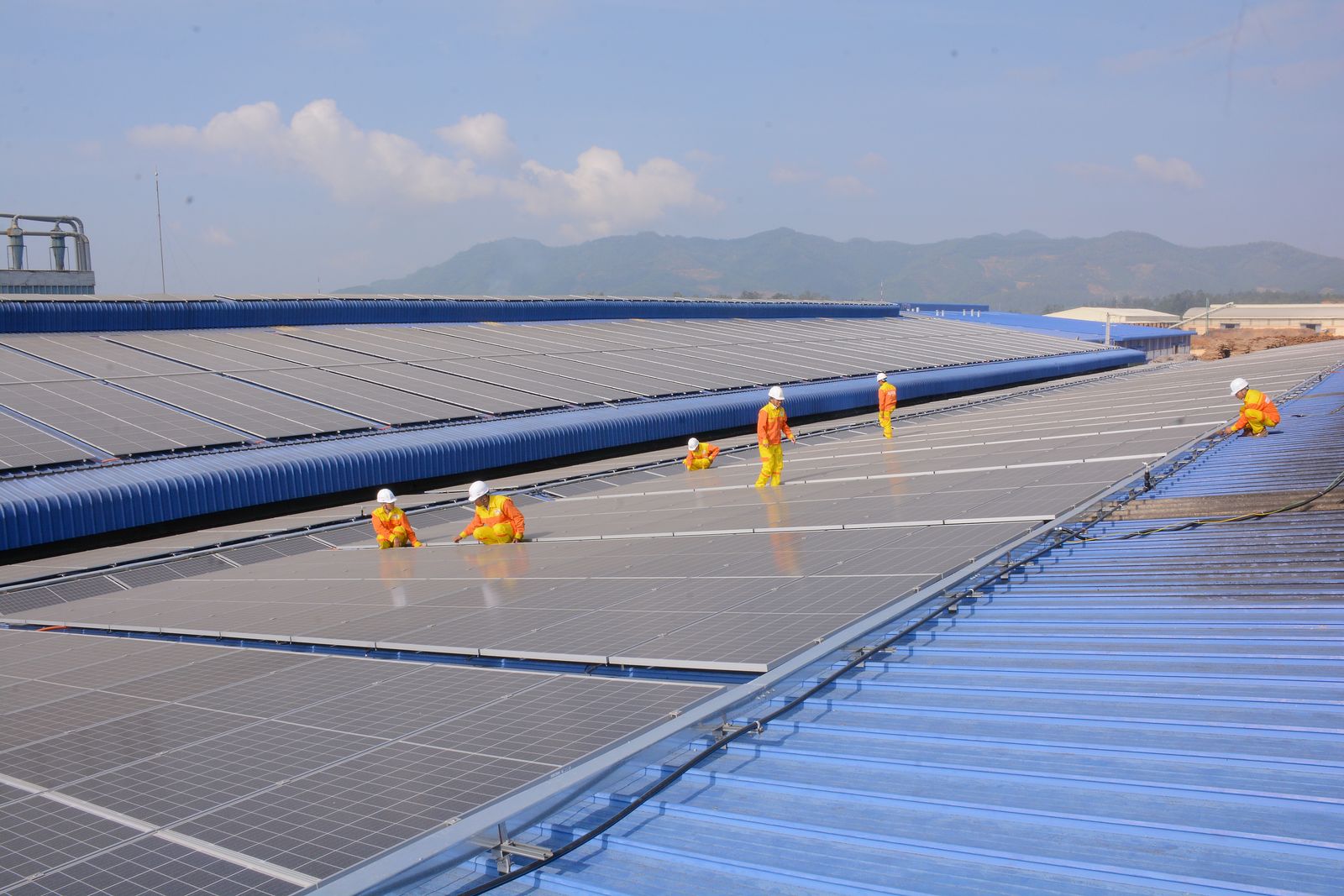 Solar-ready roofingReroof and array in one mobilisation, so you never pay to remove a five-year-old system to replace shingles under it.
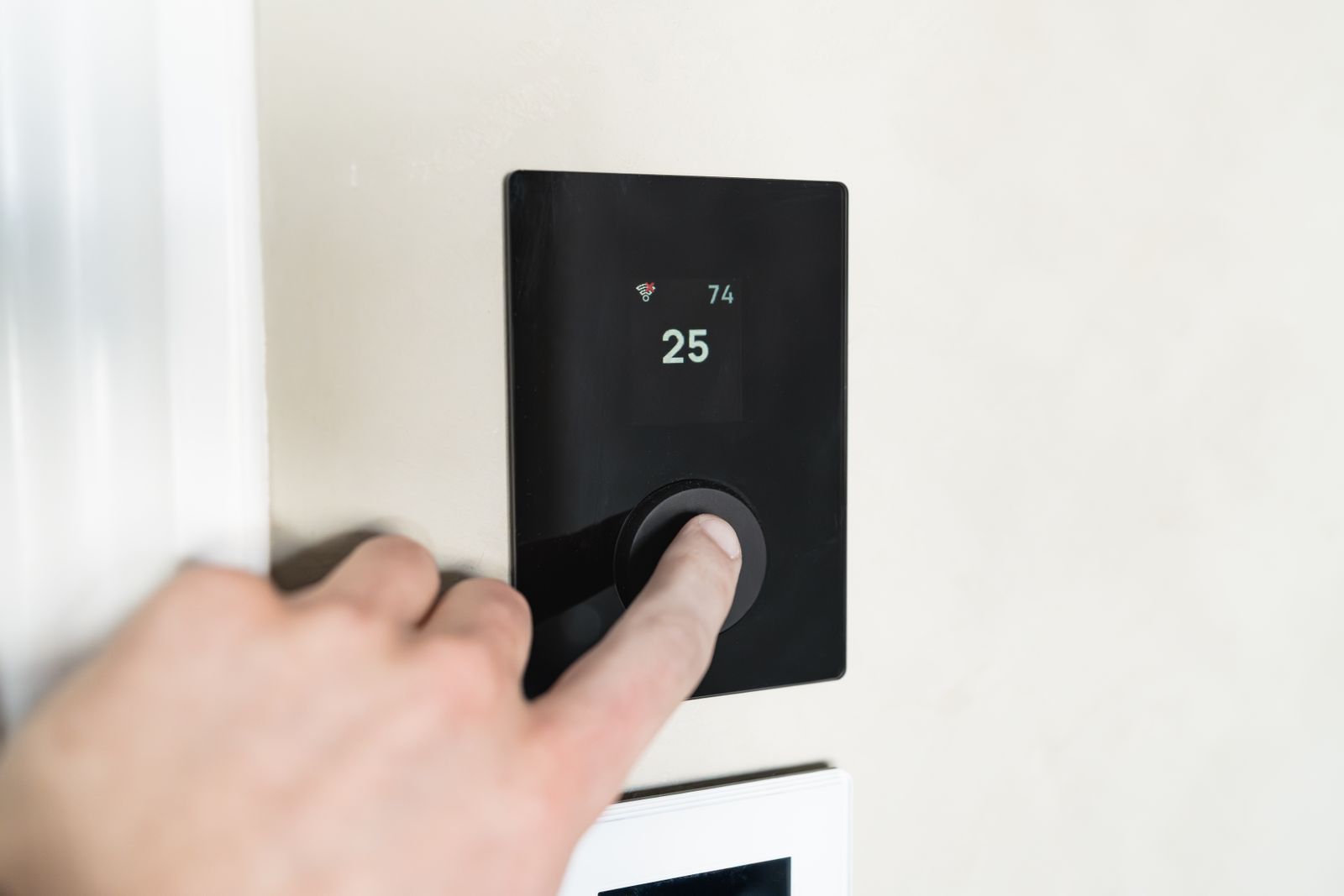 Monitoring and maintenanceModule-level production watched against the model, so a 9 percent shortfall gets a phone call rather than a shrug.
Start with the test, not the quote
Three to four hours on site, a written report in five business days, and a recommendation that might well be to spend less than you planned.